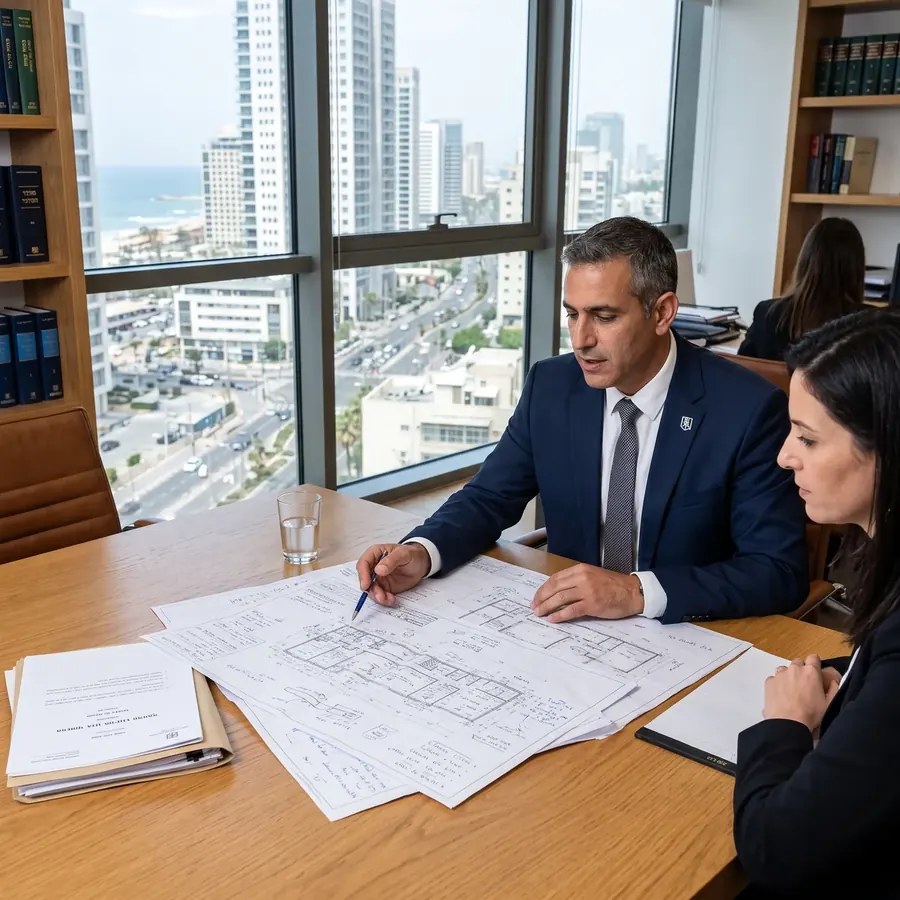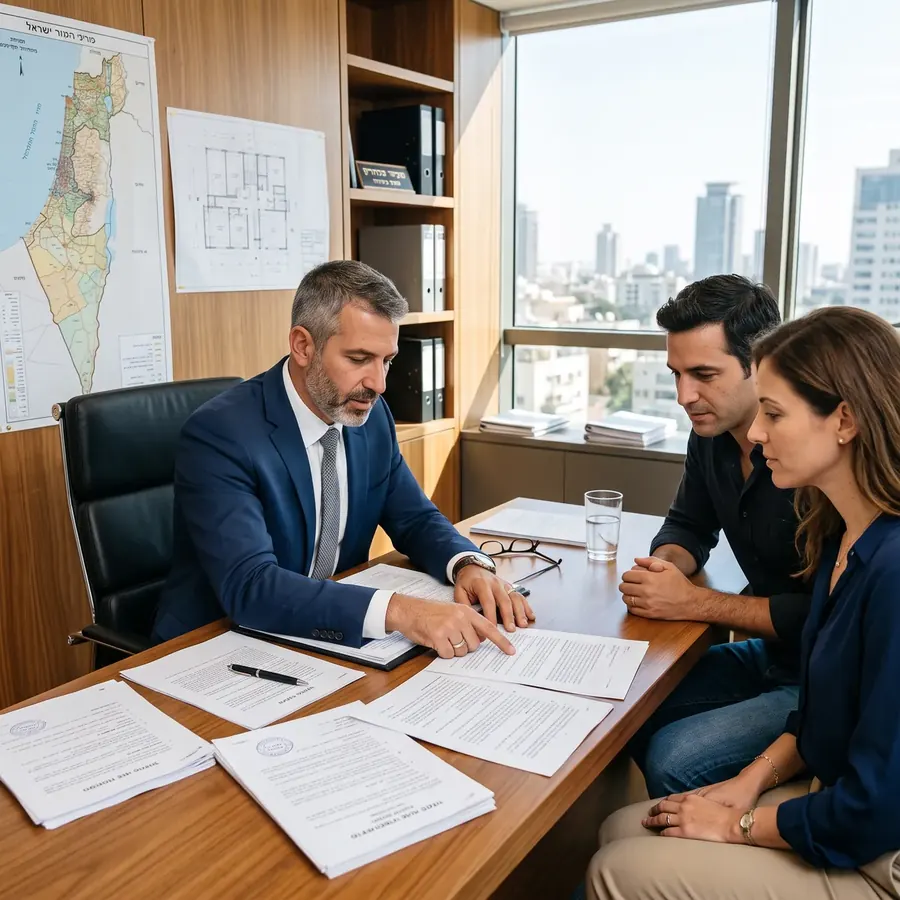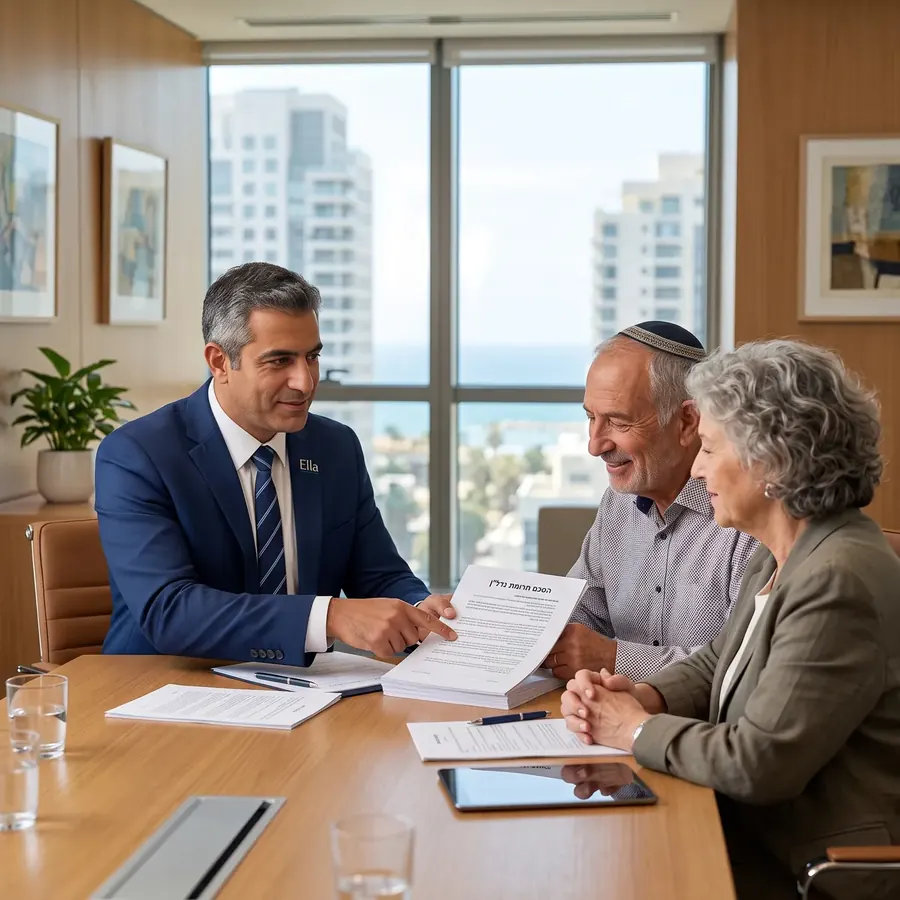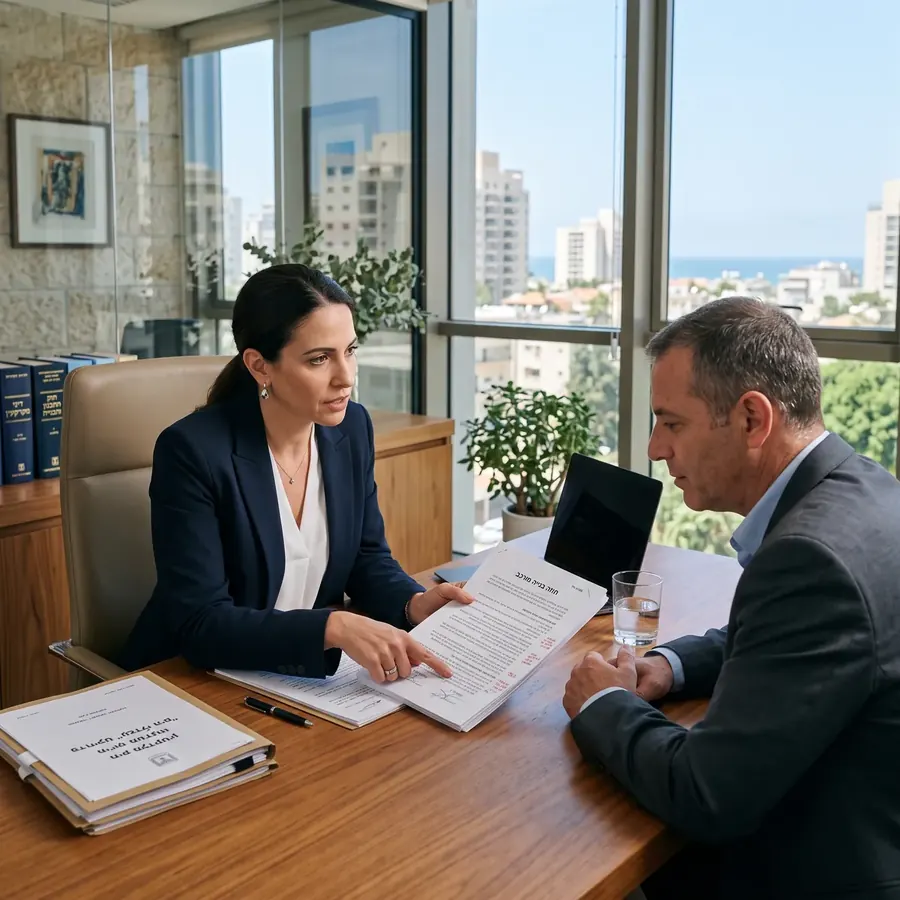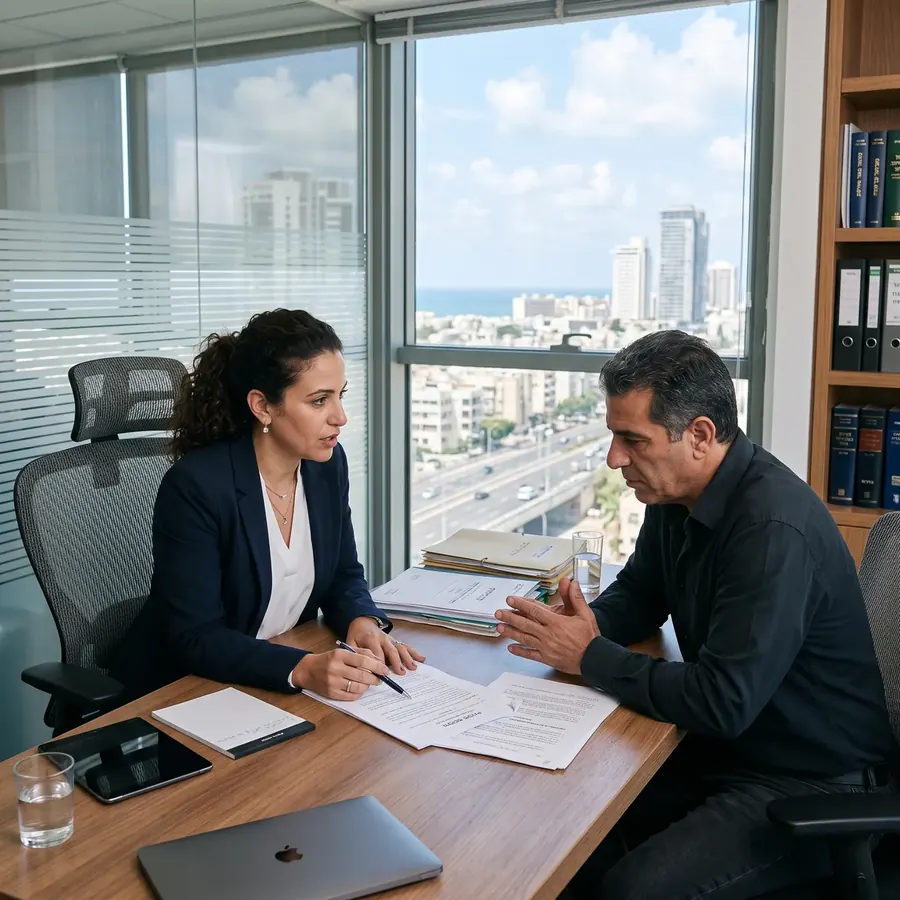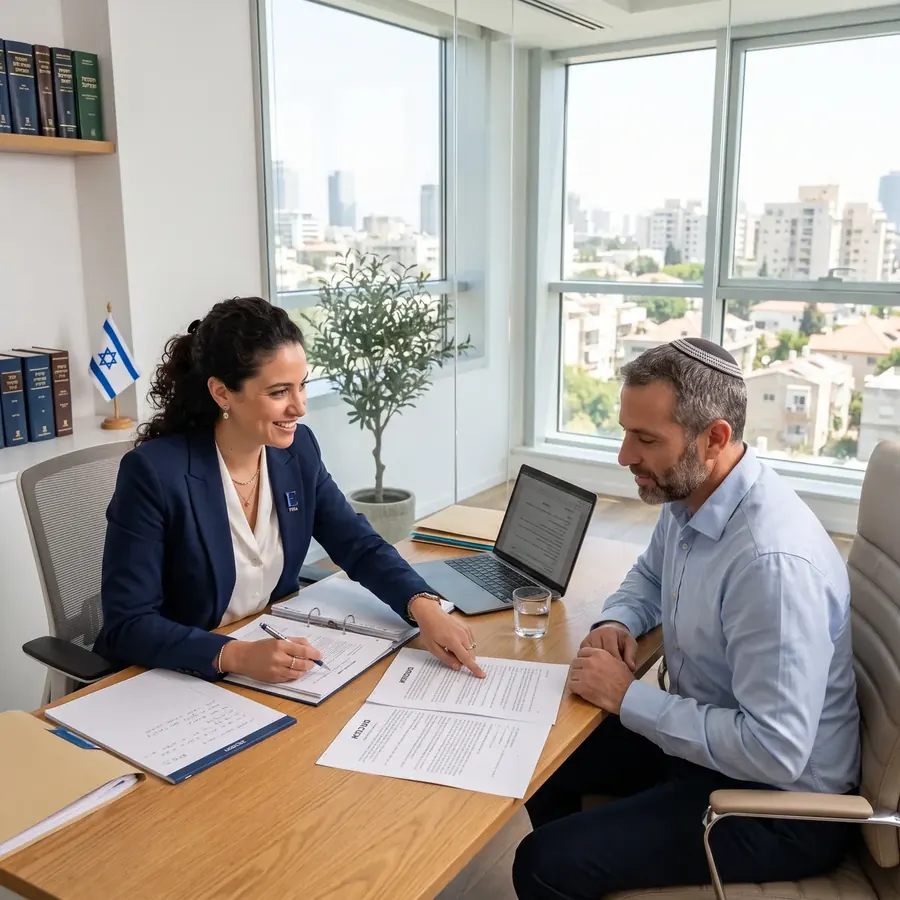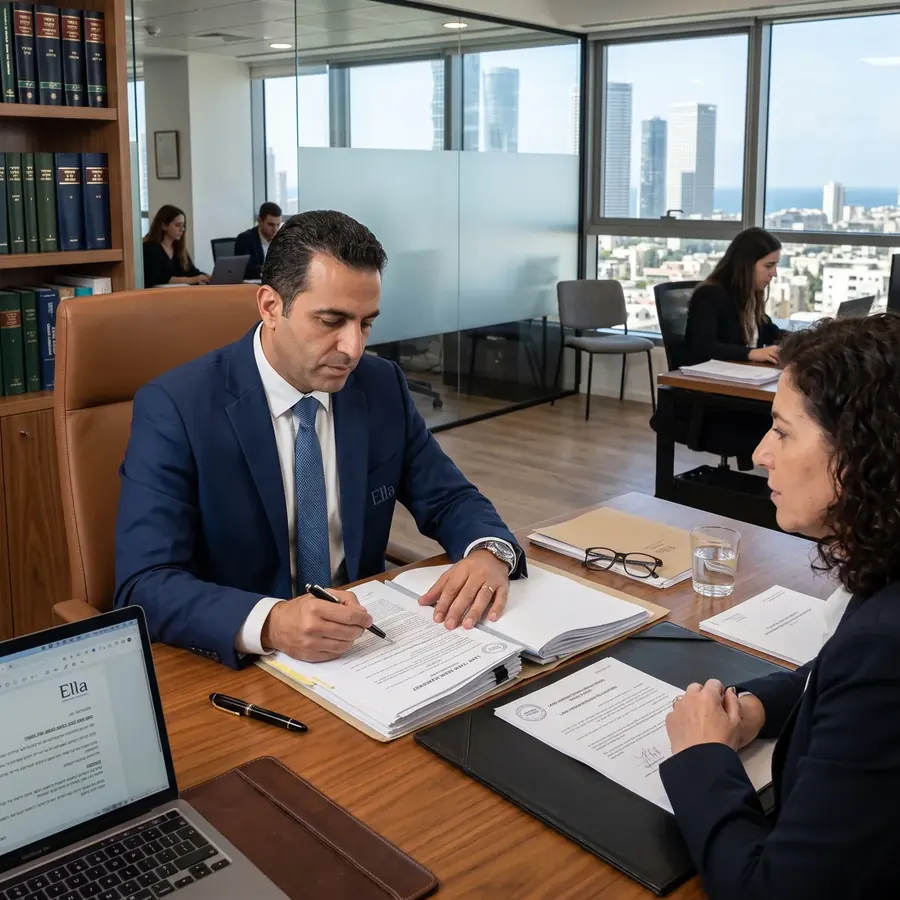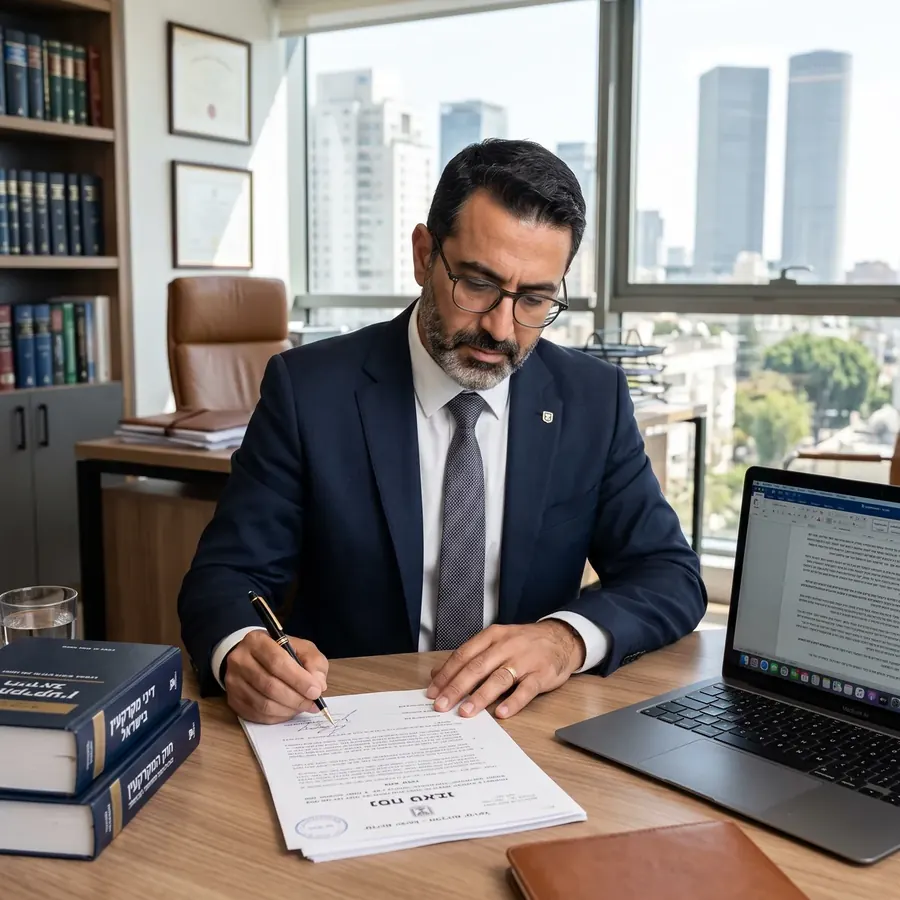




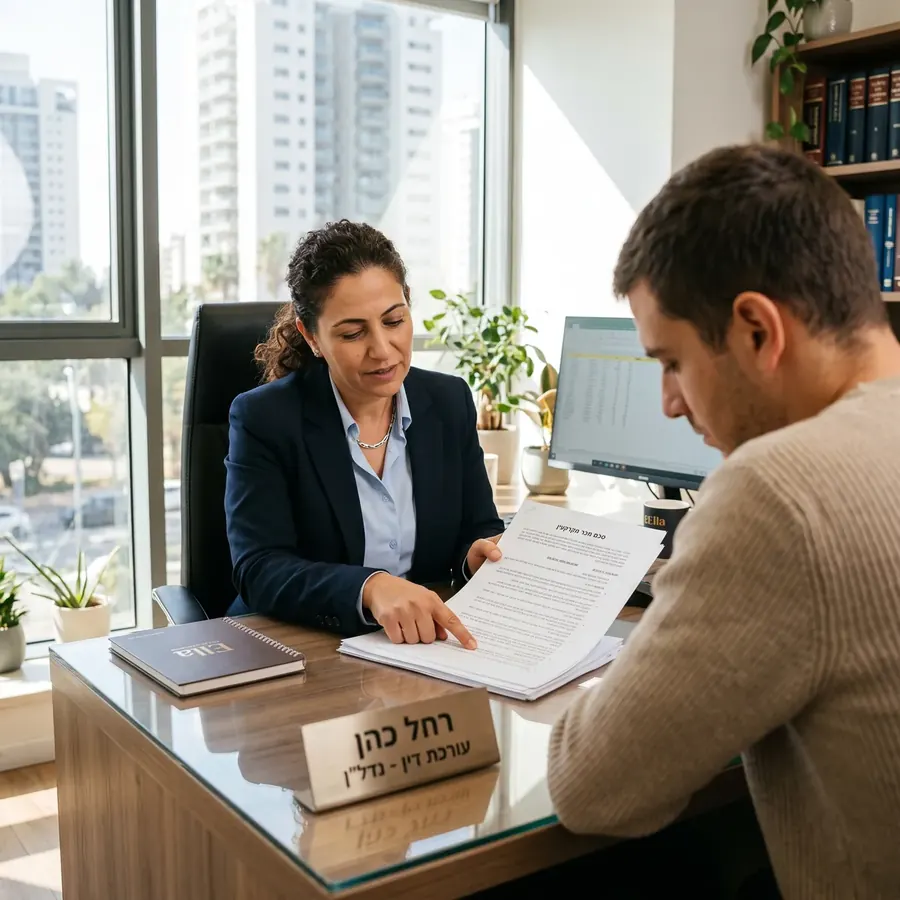
The Israeli real estate market, vibrant and dynamic, offers unique opportunities for investment and residency. For many international English speakers, including Israeli diaspora, foreign investors, and new olim, purchasing property in Israel often involves various forms of co‑ownership, known in Hebrew as Bait Meshoutaf or Shutafut. This arrangement can be incredibly beneficial, allowing for shared investment, joint family assets, or communal living. However, it also introduces a layer of legal complexity that demands precise understanding and expert guidance. Navigating the nuances of co‑ownership in Israel requires a clear grasp of local laws, rights, and obligations to ensure your investment is protected and your interests are upheld.
Our firm specializes in providing comprehensive legal services for individuals and families dealing with co‑owned property in Israel. We understand the specific challenges and opportunities that arise from such arrangements, particularly for those residing abroad or unfamiliar with Israeli legal practices. From the initial stages of acquisition to potential dissolution or dispute resolution, our professional, clear, and reliable approach ensures that you receive the highest standard of legal support, tailored to your unique circumstances.
Understanding Co‑Ownership (Bait Meshoutaf) in Israel
In Israel, the concept of co‑ownership, or Shutafut, is primarily governed by the Land Law 5729‑1969. This statute establishes that when two or more individuals jointly own a property, each holds an undivided proportional share of the entire asset. This means that no co‑owner possesses a specific room or section; rather, each owns a percentage of the whole property. These shares are meticulously registered at the Israel Land Registry, commonly known as the Tabu (טאבו).
The term Bait Meshoutaf (literally "shared house") also refers to the legal structure of multi‑unit residential buildings where individual owners hold private ownership of their apartments while jointly owning common areas such as hallways, staircases, roofs, and external walls. This system is codified in Part D of the Land Law 1969, specifically Sections 52 to 72, which define the communal elements as jointly owned by all unit holders in proportion to each apartment's registered floor area. These common areas are managed by an owners' association, known as the Vaad Bayit (ועד בית), which collects monthly fees for maintenance and repairs.
Common Scenarios Leading to Co‑Ownership
Co‑ownership in Israel can arise through several common pathways, each with its own set of considerations:
- Inheritance: It is very common for siblings or other family members to inherit an apartment or land parcel in Israel, becoming co‑owners by operation of law. This often happens to diaspora families, leading to complex situations where heirs may reside in different countries.
- Joint Purchase: Two or more buyers might purchase a property together, such as a foreign investor partnering with a local resident, or friends pooling resources for an investment.
- Divorce or Separation: Properties registered in both spouses' names often remain in co‑ownership until formally divided as part of divorce proceedings.
- Gift or Transfer: Property can be gifted or transferred to multiple individuals, establishing co‑ownership.
- Real Estate Partnerships: Investors may form partnerships to acquire commercial properties or land for development, leading to co‑ownership structures.
Secure Your Co‑owned Property with Our Expertise
★★★★★ 4,9/5 · 127 client reviewsRights and Obligations of Co‑Owners Under Israeli Law
Israeli law provides a clear framework outlining the rights and obligations of co‑owners. Understanding these is crucial for harmonious co‑ownership and effective property management.
Key Rights of Co‑Owners:
- Use of the Property: Each co‑owner has the right to use the property, provided it does not unreasonably interfere with other co‑owners' use.
- Share of Income: If the property is rented out, each co‑owner is entitled to a proportional share of the rental income.
- Sell or Transfer Share: A co‑owner may sell or transfer their undivided share to a third party without needing the consent of other co‑owners, which differs from some other jurisdictions. However, finding an outside buyer for a fractional share of an apartment can be challenging in practice.
- Mortgage Share: Co‑owners can pledge their share as security for a loan.
- Demand Dissolution: Critically, any co‑owner has a powerful and largely unrestricted right to demand the dissolution of co‑ownership (Piruk Shutafut) at any time, even without the others' consent. This right is enshrined in Section 37(a) of the Land Law.
Key Obligations of Co‑Owners:
- Share Expenses: Co‑owners must share property expenses, such as municipal tax (Arnona), building maintenance, insurance, and mortgage payments (if applicable), in proportion to their shares.
- Good Faith: The right to demand dissolution, while strong, must be exercised in good faith and without abusing the legal process.
- Vaad Bayit Fees: For apartment owners in a Bait Meshoutaf, monthly Vaad Bayit fees are mandatory for the upkeep of common areas. Foreign owners are fully bound by these rules, and non‑payment can lead to legal judgments and liens.
Secure Your Co‑owned Property with Our Expertise
★★★★★ 4,9/5 · 127 client reviewsDissolving Co‑Ownership (Piruk Shutafut)
The right to demand dissolution of co‑ownership (Piruk Shutafut) is a fundamental aspect of Israeli property law. When co‑owners cannot agree on the future of a jointly held property, any co‑owner can initiate proceedings to terminate the arrangement. This ensures that no individual is permanently bound to a co‑ownership they wish to exit.
Methods of Dissolution:
The Israeli courts prioritize specific methods for dissolving co‑ownership, as outlined in the Land Law:
- Physical Partition (Haluka Ba'ayin): The court's first preference is to physically divide the property between co‑owners in proportion to their shares. Each co‑owner would then receive sole ownership of a distinct portion. In practice, this is rarely feasible for urban apartments or small plots of land.
- Condominium Registration: For multi‑unit buildings, the property can be converted into individually registered units under Israeli condominium law. This formalizes the Bait Meshoutaf structure, granting separate titles for each apartment and defining common areas.
- Sale and Distribution of Proceeds: When physical partition or condominium registration is impractical, the court will typically order a forced sale of the jointly owned property. The proceeds are then divided among the co‑owners according to their respective shares. This can occur through a public auction or a controlled private sale.
The choice of dissolution method can have significant tax implications, making early advice from a real estate attorney and a tax specialist essential.
Secure Your Co‑owned Property with Our Expertise
★★★★★ 4,9/5 · 127 client reviewsThe Importance of a Co‑Ownership Agreement (Heskem Shutafut)
While Israeli law provides default rules for co‑ownership, a custom‑drafted co‑ownership agreement (Heskem Shutafut) is invaluable for preventing disputes and clarifying the relationship between co‑owners. This agreement defines the operational and financial aspects of the shared property, moving beyond unwritten expectations to a clear legal framework.
A comprehensive co‑ownership agreement should address:
- Property Usage: How will each co‑owner use the property? Are there specific allocations of space or time?
- Expense and Income Division: Explicitly detailing how municipal taxes, maintenance fees, insurance, repairs, renovations, and rental income will be divided.
- Decision‑Making Mechanisms: Establishing clear procedures for making both routine and material decisions, avoiding paralysis or deadlock. This can include requiring majority consent for some actions and full consent for others.
- Exit Strategies and Sale Conditions: Outlining the process if one party wishes to sell their share, including potential buy‑out clauses or procedures for initiating a sale.
- Dispute Resolution: Mechanisms for resolving disagreements, such as mediation, before resorting to litigation.
- Inheritance Provisions: What happens to a co‑owner's share upon their death, especially given that Israeli law does not automatically grant a right of survivorship like some other jurisdictions.
Registering a co‑ownership agreement with the Land Registry (Tabu) is highly advantageous, as it makes the agreement binding on any third party who may later acquire a co‑owner's share. This proactive step protects all parties and significantly reduces the risk of costly legal proceedings down the line.
Need assistance with drafting a robust co‑ownership agreement? Contact our team today for tailored legal solutions. Ella
Secure Your Co‑owned Property with Our Expertise
★★★★★ 4,9/5 · 127 client reviewsChallenges and Considerations for International Buyers
For international English speakers, including those from the diaspora, foreign investors, and new olim, buying a property in co‑ownership in Israel presents specific challenges:
| Challenge Area | Description for International Buyers |
|---|---|
| Legal Framework Familiarity | Israeli property law, particularly concerning co‑ownership (Shutafut) and shared buildings (Bait Meshoutaf), can differ significantly from common law or other civil law systems. Understanding terms like "undivided share" and the specific mechanisms for dissolution is crucial. |
| Physical Absence | Managing a co‑owned property from abroad can be difficult. Foreign co‑owners may face issues with resident co‑owners renting out the property without sharing income, unapproved maintenance costs, or refusal to agree to a sale. |
| Documentation and Language | Legal documents, including those for the Land Registry (Tabu), are primarily in Hebrew. Notarized translations and apostilles may be required for documents signed abroad. |
| Tax Implications | Foreign buyers are subject to Israeli purchase tax (Mas Rechisha) and betterment tax (Mas Shevach) upon sale, which can be higher than for Israeli residents. Understanding these obligations is critical for financial planning. Israel does not impose an inheritance tax, but US citizens still face US tax laws. |
| Inheritance Complexity | Unlike some countries with "right of survivorship," in Israel, a deceased co‑owner's share does not automatically pass to the surviving co‑owner but is distributed according to their will or Israeli inheritance law. This often requires probate proceedings. |
| Vaad Bayit Management | Foreign owners are fully bound by Vaad Bayit rules and fees. Notices are often in Hebrew, and decisions are made by majority vote at meetings that overseas owners cannot easily attend. |
Secure Your Co‑owned Property with Our Expertise
★★★★★ 4,9/5 · 127 client reviewsThe Indispensable Role of a Real Estate Lawyer in Israel
Given the complexities of buying property in co‑ownership in Israel, especially for international clients, the involvement of an experienced Israeli real estate lawyer is not just recommended, but often mandatory and essential for a smooth and secure transaction.
| Lawyer's Role | Benefit for Co‑Owners |
|---|---|
| Due Diligence | Thoroughly verifying property rights, registration at the Tabu, and any existing liens or encumbrances. This includes reviewing historical title records. |
| Drafting & Negotiation | Crafting a robust co‑ownership agreement tailored to your specific needs, protecting your interests, and negotiating terms with other parties. This can prevent future disputes over use, expenses, and decision‑making. |
| Legal Representation | Representing your interests in all dealings with the Land Registry (Tabu), municipalities, and the Israel Tax Authority. |
| Tax Planning & Compliance | Advising on purchase tax, betterment tax, and other tax implications, ensuring compliance with Israeli tax laws, especially for non‑residents. |
| Dispute Resolution | Mediating conflicts between co‑owners or representing you in dissolution proceedings (Piruk Shutafut) if an agreement cannot be reached. |
| Power of Attorney | Facilitating the entire process through a durable power of attorney (Yefiuy Koach), allowing your attorney to act on your behalf in Israel, crucial for overseas clients. |
| Inheritance Planning | Advising on how co‑owned property aligns with your estate plan, drafting wills, and navigating probate if necessary, ensuring your legacy is secured according to your wishes. |
Secure Your Co‑owned Property with Our Expertise
★★★★★ 4,9/5 · 127 client reviewsTop 3 Reasons to Secure Expert Legal Counsel for Co‑Ownership in Israel
- Mitigating Future Disputes: A well‑drafted co‑ownership agreement, prepared by an expert real estate lawyer, is the most effective tool to proactively define rights, obligations, and exit strategies. This significantly reduces the likelihood of costly and time‑consuming disputes among co‑owners, especially in complex family or investment scenarios.
- Ensuring Legal Compliance and Tax Efficiency: Israeli real estate law, including tax regulations, can be intricate, particularly for foreign investors. An experienced attorney ensures all transactions comply with local laws, helps navigate purchase and betterment taxes, and provides strategic advice to optimize your financial position, preventing unforeseen liabilities.
- Protecting Your Investment Remotely: For international clients, a dedicated Israeli real estate lawyer acts as your trusted representative on the ground. Through a power of attorney, they handle all legal, administrative, and financial aspects, from Land Registry registration to dispute resolution, offering peace of mind and safeguarding your investment even from thousands of miles away.
Our firm, with its deep understanding of Israeli real estate law and a commitment to international clients, provides the proximity and expertise needed to navigate these waters successfully. Ella
Secure Your Co‑owned Property with Our Expertise
★★★★★ 4,9/5 · 127 client reviewsConclusion: Your Trusted Partner in Israeli Co‑Ownership
Buying a property in co‑ownership (Bait Meshoutaf) in Israel offers unique opportunities but demands a thorough understanding of the legal landscape. From navigating the complexities of the Land Law 5729‑1969 to managing the practicalities of a Vaad Bayit, having experienced legal counsel is paramount. Our firm is dedicated to providing professional, clear, and reliable legal services, ensuring that your investment in Israeli real estate is secure and your rights as a co‑owner are fully protected. We pride ourselves on offering concrete value and peace of mind to international English‑speaking clients, whether you are an investor, an oleh, or part of the diaspora looking to solidify your connection to Israel.
Do not let the complexities of co‑ownership deter you from realizing your real estate goals in Israel. Our transparent fees and commitment to client success make us the ideal partner for your journey. Contact us today for a consultation and let us help you navigate the intricacies of co‑owned property in Israel with confidence. Ella