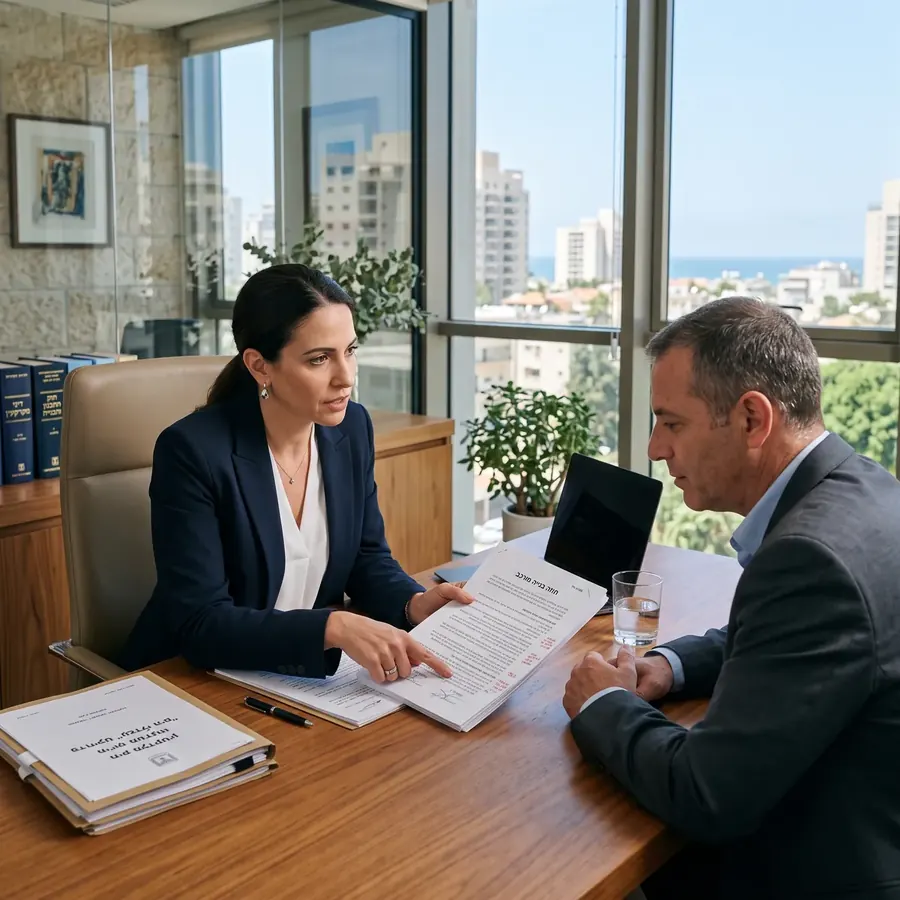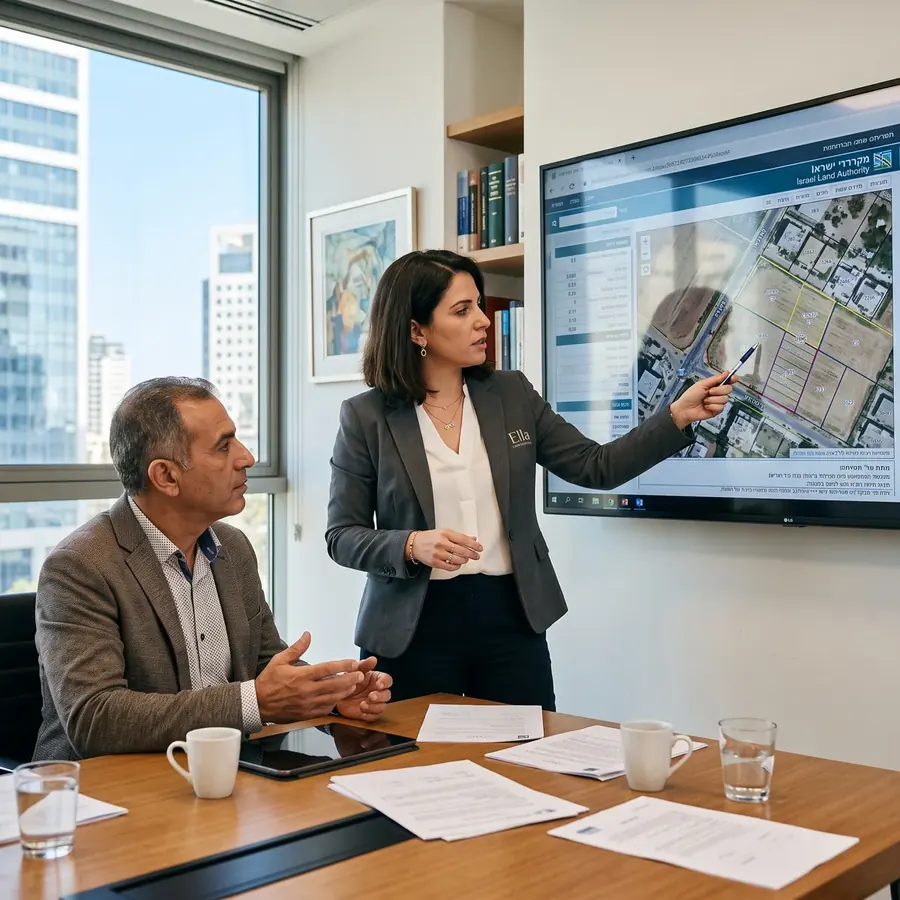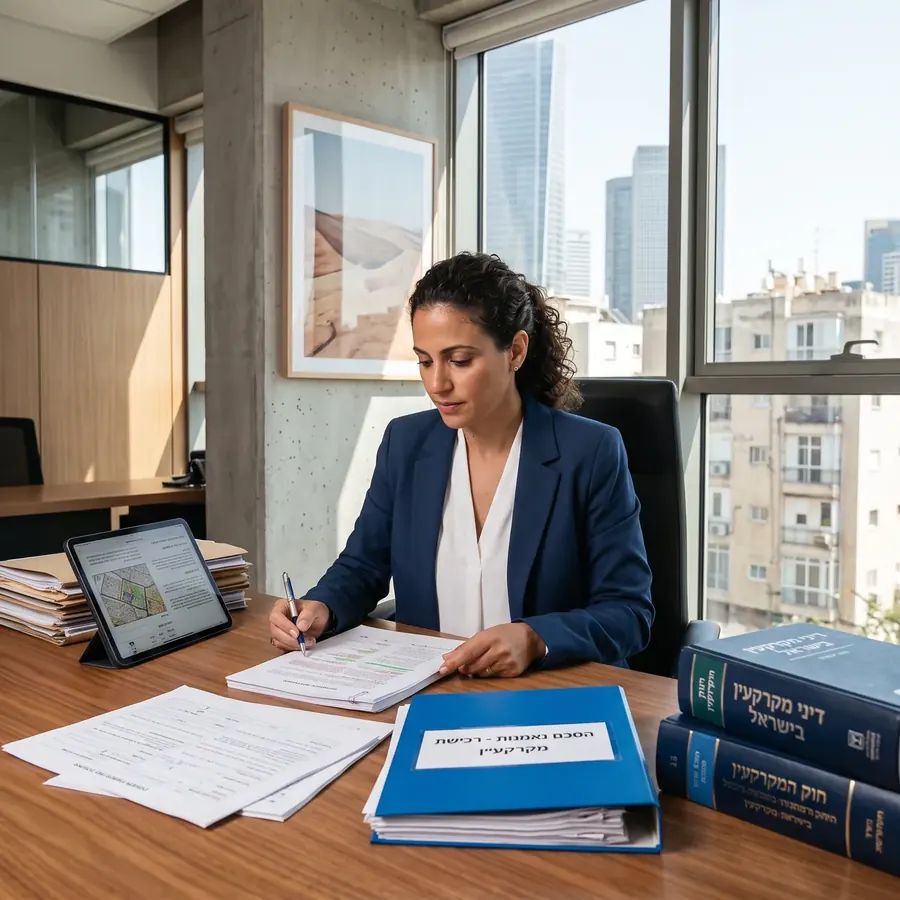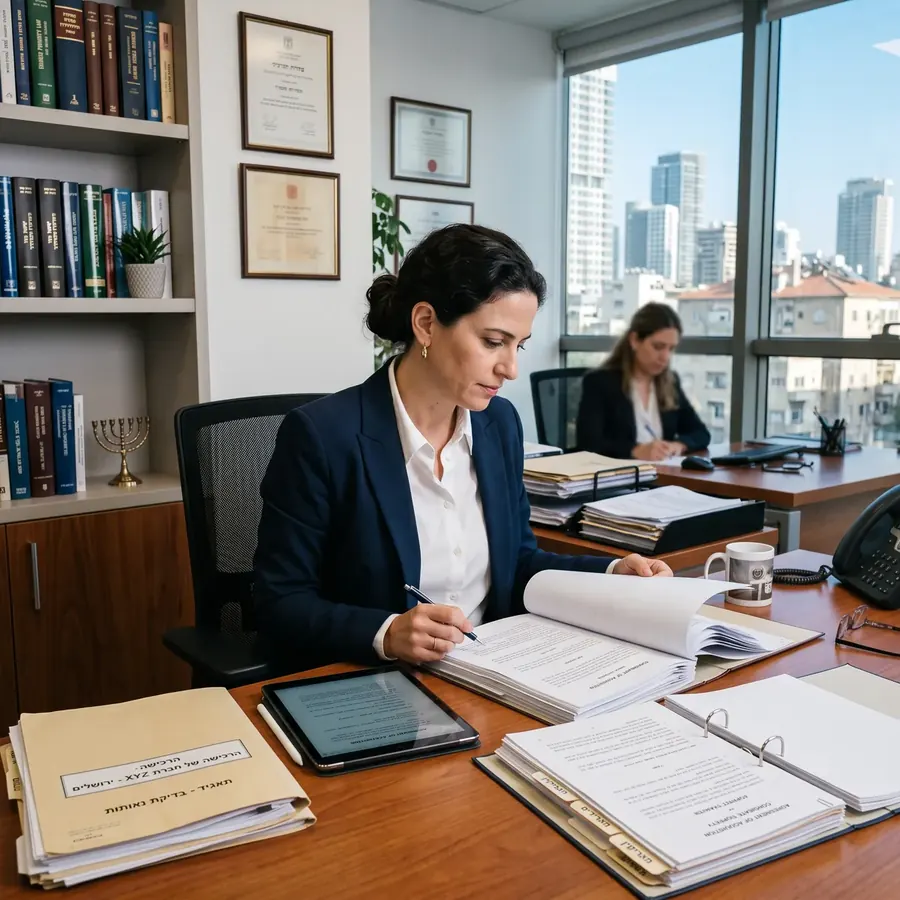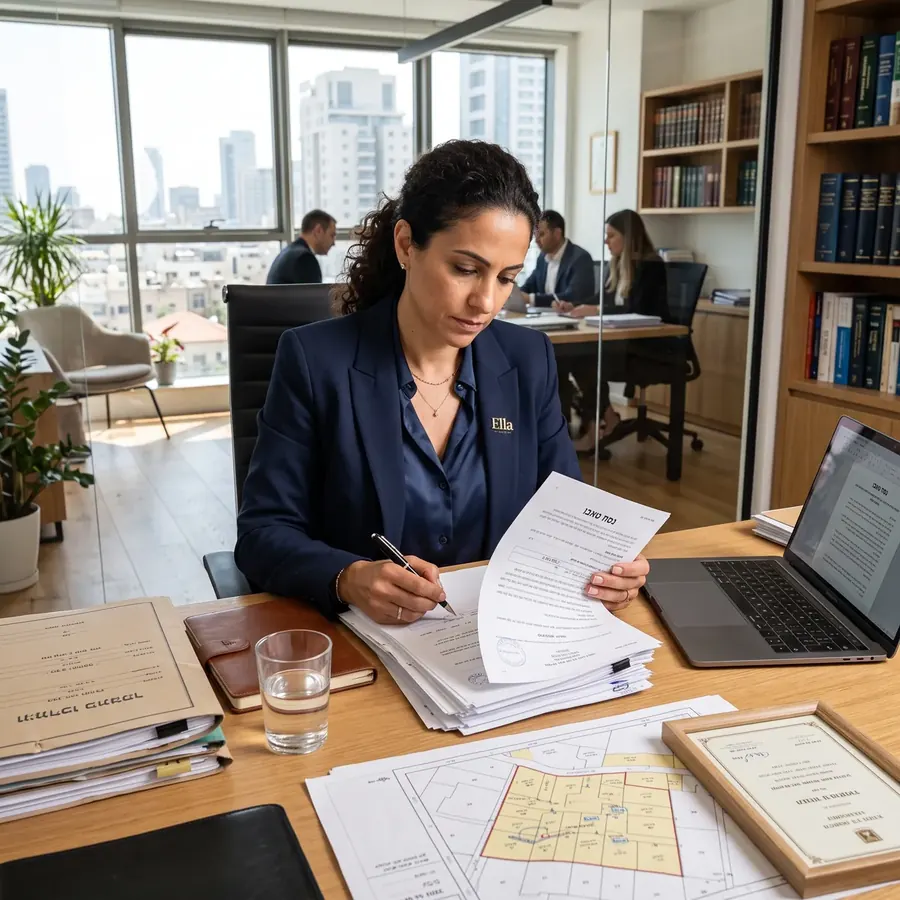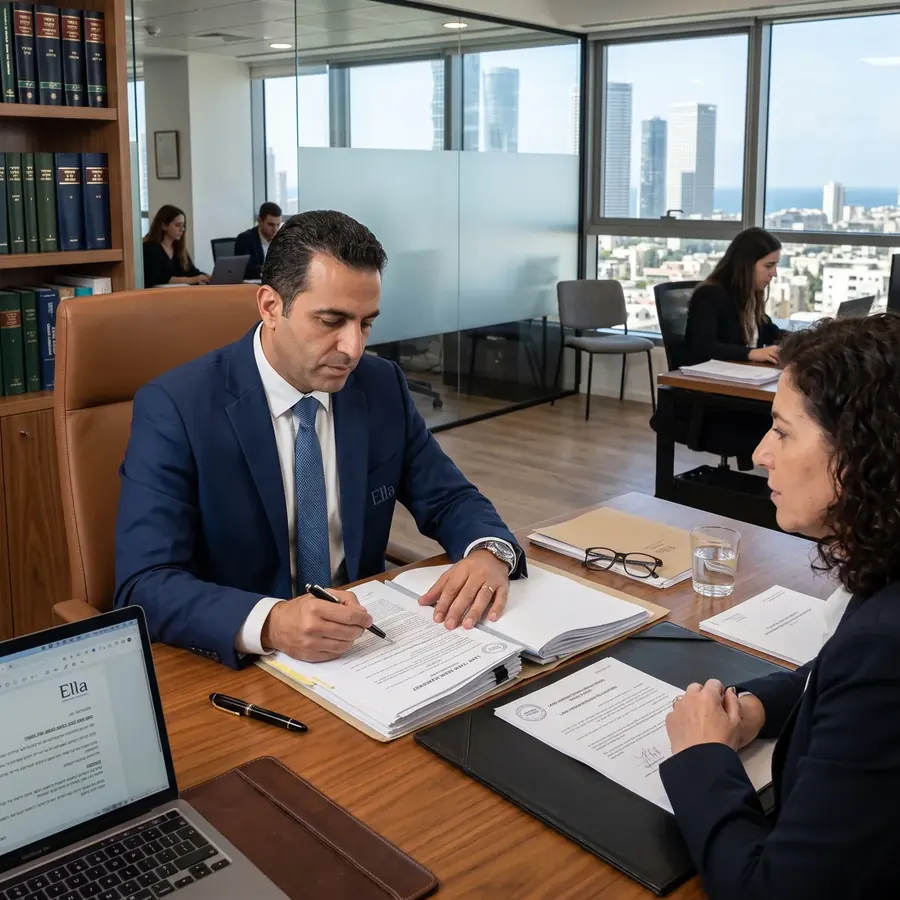





Navigating the Israeli real estate market, whether as a tenant seeking a new home or a landlord looking to protect an investment, presents a unique set of challenges and opportunities. A critical aspect of any rental agreement in Israel revolves around the concepts of rental deposits and guarantees, collectively known as Bitouhonot (ביטחונות). These financial and legal safeguards are designed to provide security for both parties, but their intricacies can often be overwhelming, particularly for international English speakers, foreign investors, and new olim accustomed to different legal systems.
Understanding the nuances of Bitouhonot is not merely about fulfilling a contractual obligation; it is about safeguarding your financial interests, ensuring compliance with Israeli law, and fostering a secure, transparent rental relationship. From the initial signing of a lease to its eventual termination, the proper handling of these guarantees can prevent disputes, mitigate risks, and provide invaluable peace of mind. Our firm specializes in Israeli real estate law, offering unparalleled expertise to guide you through every step of this process. We are committed to providing clear, reliable, and actionable legal advice tailored to your specific needs, ensuring that your journey in the Israeli property market is as smooth and secure as possible.
Understanding Bitouhonot: The Foundation of Rental Security in Israel
What are Rental Deposits and Guarantees (Bitouhonot)?
In the context of Israeli rental agreements, Bitouhonot refers to the various forms of security that a tenant provides to a landlord to ensure the fulfillment of their obligations under the lease. These obligations typically include paying rent on time, maintaining the property, and covering any damages beyond normal wear and tear. Unlike some other jurisdictions where a single security deposit might be the norm, Israel’s system often involves a combination of several types of guarantees, each serving a distinct purpose and carrying specific legal implications.
The primary goal of Bitouhonot is to protect the landlord from potential financial losses should the tenant default on their responsibilities. However, it is equally crucial for tenants to understand these mechanisms to ensure they are not over‑burdened or unfairly exposed. The specific types and amounts of guarantees are usually negotiated as part of the lease agreement, making expert legal review essential before commitment. These safeguards are enshrined in Israeli law, primarily under the Landlord and Tenant Law (New Version), 5731‑2026, alongside other relevant statutes and judicial precedents that govern their application and enforcement.
The Legal Framework: Key Israeli Laws Governing Rental Security
The legal landscape surrounding rental deposits and guarantees in Israel is primarily shaped by the Landlord and Tenant Law (New Version), 5731‑2026, which establishes fundamental principles for rental relationships. However, several other critical pieces of legislation and legal principles also come into play. The Standard Contracts Law, 5743‑2026, for instance, is highly relevant when assessing the fairness and enforceability of clauses related to guarantees, particularly in standard lease agreements. This law protects tenants from overly burdensome or unreasonable terms often found in pre‑printed contracts. Furthermore, the Guarantees Law, 5727‑2026, provides the overarching legal framework for all types of guarantees, defining the rights and obligations of guarantors and beneficiaries.
Recent amendments and judicial rulings continually refine these laws, making it imperative to stay updated on the latest legal interpretations. For example, there have been discussions and legislative efforts to cap the amount of security deposits and guarantees to protect tenants, reflecting a broader trend towards balancing landlord protection with tenant rights. Understanding how these laws interact and apply to your specific rental agreement requires specialized legal knowledge. Our firm regularly advises clients in major urban centers like Tel Aviv‑Yafo (61000), Jerusalem (91000), and Haifa (31000), ensuring their agreements align with current legal standards and best practices.
Let us secure your rental agreement in Israel.
★★★★★ 4,9/5 · 127 client reviewsTypes of Rental Deposits and Guarantees in Israel
The Israeli rental market offers a variety of mechanisms for securing rental agreements. While the term "deposit" might suggest a single payment, Bitouhonot often comprises multiple forms of security. Knowing the distinctions between these is crucial for both landlords and tenants to manage expectations and responsibilities effectively.
Standard Security Deposit (Pikadon)
The Pikadon (פיקדון) is the most straightforward and universally recognized form of security. It involves a sum of money, typically one to three months' rent, paid directly by the tenant to the landlord at the beginning of the lease period. This money is held by the landlord (or, less commonly, in an escrow account) and is intended to cover unpaid rent, utility bills, or damages to the property when the tenant vacates. It is crucial for the lease agreement to clearly stipulate the conditions under which the Pikadon can be used by the landlord and the timeframe for its return to the tenant. Israeli law generally requires the deposit to be returned within a reasonable period after the lease ends and the property is vacated, provided all conditions are met. Landlords must be cautious about deducting from the Pikadon, ensuring that any deductions are legitimate and properly documented.
Bank Guarantee (Aravut Bankait)
A Bank Guarantee (ערבות בנקאית), or Aravut Bankait, is a popular and robust form of security in Israel. Instead of the tenant providing cash directly, a bank issues a guarantee to the landlord, promising to pay a specified sum if the tenant defaults on their obligations. This sum is typically blocked in the tenant's bank account or secured against other assets. The advantage for landlords is the certainty of payment from a reputable financial institution, simplifying the process of claiming funds. For tenants, it means their cash is not directly held by the landlord, but it does tie up funds or credit lines. The terms of a bank guarantee are typically very strict, and claiming against it requires the landlord to demonstrate that the conditions for activation, as stipulated in the guarantee and the lease agreement, have been met. It's vital to clearly define these conditions within the lease to avoid future disputes.
Third‑Party Guarantee (Aravut Tzashlit)
The Third‑Party Guarantee (ערבות צד ג'), also known as Aravut Tzashlit, involves an individual or entity (the guarantor) who agrees to be financially responsible for the tenant's obligations if the tenant fails to meet them. This is common, especially for younger tenants, students, or new immigrants who may not have established credit history in Israel. The guarantor typically signs a separate guarantee agreement or a clause within the lease itself. The extent of the guarantor's liability should be precisely defined; it can be for the full amount of the tenant’s obligations or capped at a specific sum. Landlords often prefer multiple guarantors or guarantors with strong financial standing. For tenants, choosing a guarantor requires careful consideration, as it places a significant financial burden on that individual. Our firm often assists clients in Rishon LeZion (75000) and Petah Tikva (49000) with drafting comprehensive third‑party guarantee agreements.
Promissory Note (Shtar Hov)
A Promissory Note (שטר חוב), or Shtar Hov, is a written promise by the tenant to pay a specific sum of money to the landlord on demand or at a specified future date. While it is a less immediate form of security than a cash deposit or bank guarantee, it provides the landlord with a legal instrument that can be enforced through court proceedings if the tenant defaults. The promissory note typically specifies a higher amount than a standard security deposit, covering potential legal costs and extended damages. For landlords, it offers a legal pathway for recovery, though it may require judicial action. For tenants, it represents a significant commitment, and the terms of its activation should be clearly understood and limited within the lease agreement. It is common to see a combination of a cash deposit and a promissory note in many Israeli rental contracts.
Other Forms of Security
Beyond the primary types, other forms of security might be utilized, though less frequently. These can include a Power of Attorney allowing the landlord to act on the tenant's behalf in specific circumstances (e.g., to disconnect utilities in case of non‑payment, though this is highly regulated), or even checks without a date (post‑dated checks) which can be problematic and are often subject to strict legal scrutiny due to potential for abuse. Whatever the form, the fundamental principle remains: all Bitouhonot must be clearly defined within the lease agreement, their conditions for activation and release explicitly stated, and their legality verified. Seeking counsel from a knowledgeable real estate lawyer, such as our team at Ella, is paramount to ensure all aspects of these guarantees are legally sound and protect your interests.
Here’s a comparative overview of the most common forms of Bitouhonot in Israel:
| Type of Guarantee | Description | Key Benefit for Landlord | Key Consideration for Tenant |
|---|---|---|---|
| Standard Security Deposit (Pikadon) | Cash sum held by landlord (typically 1‑3 months' rent). | Direct access to funds for damages/defaults. | Cash tied up; clear return conditions crucial. |
| Bank Guarantee (Aravut Bankait) | Bank promises payment to landlord upon tenant default. | Guaranteed payment from a financial institution. | Funds blocked in bank account; fees may apply. |
| Third‑Party Guarantee (Aravut Tzashlit) | Individual/entity assumes financial responsibility. | Additional layer of security beyond tenant. | Find a willing guarantor; guarantor's liability. |
| Promissory Note (Shtar Hov) | Written promise to pay a sum on demand. | Legal instrument for recovery; higher potential sum. | Potential for court action if activated; significant commitment. |
Let us secure your rental agreement in Israel.
★★★★★ 4,9/5 · 127 client reviewsKey Considerations for Tenants: Protecting Your Interests
As a tenant in Israel, understanding your rights and the implications of the Bitouhonot you provide is paramount. A well‑informed approach can save you significant stress and financial loss in the long run.
Understanding Your Obligations and Rights
Before signing any lease agreement, thoroughly review all clauses related to rental deposits and guarantees. Ensure you understand:
- The exact amount and type of each guarantee being requested.
- The specific conditions under which the landlord can activate or claim against these guarantees.
- The timeframe for the return of your security deposit (Pikadon) after the lease concludes and the property is vacated.
- Your responsibilities regarding property maintenance and what constitutes "normal wear and tear" versus compensable damage.
It is your right to request clarity on any ambiguous terms. Do not hesitate to seek legal advice if any clause seems unclear or overly restrictive. Our legal team in Ashdod (77000) and other regions of Israel can provide comprehensive reviews of your prospective lease agreement.
The Importance of a Well‑Drafted Lease Agreement
The lease agreement is the cornerstone of your rental relationship. A poorly drafted or ambiguous contract can lead to significant disputes over Bitouhonot. Ensure the agreement clearly stipulates:
- The precise details of all deposits and guarantees.
- The conditions for their activation and release.
- Procedures for inspecting the property at the beginning and end of the lease.
- How disputes regarding damages will be resolved.
A comprehensive lease agreement, vetted by a real estate lawyer, provides a clear roadmap for both parties, minimizing the potential for misunderstandings and legal battles. This is especially crucial for international residents who may be unfamiliar with Israeli legal terminology and practices.
Return of Security Deposits: What to Expect
The return of your security deposit (Pikadon) is often a point of contention. Generally, Israeli law mandates that the deposit be returned within a reasonable period (typically 30‑90 days) after the tenant vacates the property, provided all rental payments are current, utilities are paid, and no significant damages beyond normal wear and tear exist. Landlords are usually required to provide an itemized list of any deductions made from the deposit. If you believe deductions are unwarranted, you have the right to dispute them. Maintaining thorough documentation—including photos/videos of the property's condition upon entry and exit, and records of all communications—can be invaluable in such situations. For complex cases, involving a lawyer from Ella can facilitate a fair resolution.
Essential Tips for Tenants:
- Read Everything Carefully: Never sign a lease or guarantee document without fully understanding every clause.
- Document Property Condition: Take detailed photos or videos of the property's condition before moving in and after moving out.
- Keep Records: Retain copies of all rental payments, utility bills, and correspondence with your landlord.
- Understand Guarantor Liability: If providing a third‑party guarantee, ensure your guarantor understands their full financial exposure.
- Seek Legal Counsel: Consult with a real estate lawyer before signing, especially if terms seem complex or unfavorable.
Let us secure your rental agreement in Israel.
★★★★★ 4,9/5 · 127 client reviewsKey Considerations for Landlords: Securing Your Investment
For landlords, Bitouhonot are essential tools for mitigating risk and protecting your valuable property investment in Israel. Strategic implementation of these guarantees is key to a secure and profitable rental experience.
Selecting the Right Guarantees for Your Property
The choice of Bitouhonot should be tailored to the specific circumstances of your rental property and the tenant. Consider factors such as:
- The tenant's financial stability and credit history.
- The value of the property and potential repair costs.
- The duration of the lease agreement.
- Your preference for ease of access to funds versus broader legal recourse.
A combination of a standard security deposit (Pikadon) and a bank guarantee or a strong third‑party guarantee often provides the most comprehensive protection. For properties in prime locations like Herzliya (46100) or Netanya (42100), robust guarantees are often standard practice. Our firm can help you assess these factors and recommend the most suitable combination of guarantees.
Enforcing Guarantees: Legal Pathways
When a tenant defaults on their obligations, landlords need clear legal pathways to enforce the Bitouhonot. The process varies depending on the type of guarantee:
- Pikadon: Direct deduction for documented damages or unpaid dues, followed by an itemized statement to the tenant.
- Bank Guarantee: Presenting the bank with proof of default as per the guarantee's terms. This typically requires a formal demand.
- Third‑Party Guarantee: Making a formal demand to the guarantor, and potentially initiating legal proceedings if payment is not received.
- Promissory Note: Filing the note with the Execution Office (Hotza'a Lapo'al) for collection, which can be a swifter process than a full lawsuit.
Each enforcement mechanism has specific legal requirements and timelines. Improper enforcement can lead to counterclaims from the tenant. It is crucial to act within legal boundaries and, ideally, with legal guidance.
Preventing Disputes and Mitigating Risks
Proactive measures are the best defense against disputes. Landlords should:
- Conduct Thorough Tenant Screening: Verify financial stability, employment, and references.
- Draft Clear Lease Agreements: Ensure all terms related to Bitouhonot are unambiguous and legally sound.
- Perform Detailed Inspections: Document the property's condition with photos/videos before and after tenancy.
- Maintain Open Communication: Address tenant concerns promptly and professionally.
- Seek Expert Legal Advice: Regularly review your lease agreements and guarantee structures with a real estate lawyer.
By taking these steps, landlords can significantly reduce the likelihood of disputes and ensure their investments are well‑protected. Our team at Ella provides ongoing support to landlords across Israel, from drafting agreements to navigating complex enforcement issues.
Best Practices for Landlords:
- Verify Tenant Credentials: Always perform due diligence on prospective tenants.
- Secure Comprehensive Guarantees: Choose a combination of Bitouhonot that offers adequate protection.
- Detailed Inventory and Condition Report: Create a meticulous record of the property's state before tenant occupancy.
- Understand Legal Limits: Be aware of the maximum amounts and permissible uses of deposits and guarantees under Israeli law.
- Professional Legal Review: Have all lease and guarantee documents reviewed by a real estate attorney before execution.
Let us secure your rental agreement in Israel.
★★★★★ 4,9/5 · 127 client reviewsNavigating Complex Scenarios: When Expert Legal Counsel is Crucial
While a well‑drafted lease agreement and robust Bitouhonot can prevent many issues, certain complex scenarios inevitably arise. In these situations, the expertise of a seasoned real estate lawyer becomes indispensable.
Early Termination of Lease Agreements
The early termination of a lease, whether by the tenant or landlord, often triggers complex questions regarding the Bitouhonot. If a tenant breaks a lease, the landlord may be entitled to claim against the guarantees for lost rent until a new tenant is found, or for any costs associated with re‑renting the property. However, landlords also have a legal obligation to mitigate their damages by actively seeking a replacement tenant. The specific terms of early termination and their impact on Bitouhonot should be clearly outlined in the lease. Legal counsel can help both parties navigate these clauses and ensure fair application.
Disputes Over Property Damage and Wear and Tear
One of the most common areas of dispute involves claims for property damage. Landlords may seek to deduct from the security deposit for repairs, while tenants may argue that the damage constitutes normal wear and tear, for which they are not liable. The distinction can be subjective. This is where detailed entry and exit inspection reports, supported by photographic or video evidence, become crucial. When disputes escalate, legal intervention can help interpret the lease terms, assess the validity of claims, and facilitate a resolution, potentially avoiding costly litigation.
Bankruptcy or Financial Difficulties of Either Party
The financial distress or bankruptcy of either a tenant or a landlord introduces significant complexities regarding Bitouhonot. If a tenant faces bankruptcy, the landlord's ability to claim against certain guarantees may be affected by bankruptcy laws. Similarly, if a landlord faces financial difficulties, the tenant's ability to reclaim their security deposit might be jeopardized. In such high‑stakes situations, specialized legal advice is essential to understand your rights, prioritize claims, and navigate the relevant insolvency laws in Israel. Our firm has extensive experience in these intricate legal matters, advising clients throughout the country.
Here’s a table outlining scenarios where legal intervention regarding Bitouhonot is often required:
| Scenario | Tenant's Perspective | Landlord's Perspective | Why Legal Counsel is Crucial |
|---|---|---|---|
| Disputed Deposit Deductions | Believes deductions are unfair or excessive. | Believes deductions are justified for damages. | Interprets lease, assesses evidence, negotiates resolution, or represents in court. |
| Early Lease Termination | Wants to minimize liability for breaking lease. | Seeks compensation for lost rent/re‑rental costs. | Advises on contractual obligations, mitigation duties, and enforcement of guarantees. |
| Guarantor Refusal to Pay | Seeks to avoid guarantor liability or disputes claim. | Needs to enforce guarantor's commitment. | Reviews guarantee agreement, initiates collection procedures, or represents in litigation. |
| Property Damage Disputes | Claims damage is 'wear and tear' or pre‑existing. | Insists tenant is responsible for repair costs. | Evaluates evidence, advises on liability, mediates, or litigates. |
| Bankruptcy of Party | Worries about deposit return or lease validity. | Concerned about recovering unpaid rent/damages. | Navigates insolvency laws, advises on claim priority, and protects interests. |
Let us secure your rental agreement in Israel.
★★★★★ 4,9/5 · 127 client reviewsTop 5 Best Practices for Handling Rental Deposits and Guarantees in Israel
Effective management of Bitouhonot is crucial for both tenants and landlords to ensure a smooth rental experience and avoid future disputes. Here are our top five best practices:
- Comprehensive Lease Agreement Drafting: Ensure every aspect of the Bitouhonot—amounts, types, conditions for activation, and release—is meticulously detailed in a legally sound lease agreement. Ambiguity is the enemy of security.
- Thorough Documentation: For tenants, this means detailed photos/videos of the property's condition upon entry and exit. For landlords, it means comprehensive inspection reports. This evidence is invaluable in case of disputes over damages.
- Understand the Legal Framework: Both parties must be aware of their rights and obligations under Israeli law, including the Landlord and Tenant Law (New Version), 5731‑2026, and how it impacts their rental agreement.
- Prudent Selection of Guarantees: Landlords should choose a combination of guarantees that offers adequate protection based on the tenant's profile and property value. Tenants should understand the implications of each guarantee they provide.
- Seek Professional Legal Counsel: Before signing any lease or guarantee, consult with an experienced real estate lawyer. Their expertise can identify potential pitfalls, negotiate favorable terms, and protect your interests, whether you are a tenant in Beer Sheva (84000) or a landlord in Rehovot (76100).
The complexities of rental deposits and guarantees (Bitouhonot) in the Israeli real estate market demand a precise and informed approach. For international English speakers, foreign investors, and olim, navigating these legal requirements can be particularly challenging without expert guidance. Our firm offers dedicated legal services tailored to your unique circumstances, ensuring that your rental agreements are not only compliant with Israeli law but also optimally protect your financial interests.
Whether you are a tenant seeking to secure your housing with transparent terms or a landlord aiming to safeguard your investment against unforeseen risks, our team of experienced real estate lawyers is here to provide clarity, confidence, and concrete value. We pride ourselves on our professional, clear, and reliable service, bringing our extensive expertise directly to you. Do not leave your rental security to chance. Let us help you understand and master the intricacies of Bitouhonot, providing you with the peace of mind you deserve in the dynamic Israeli property market.