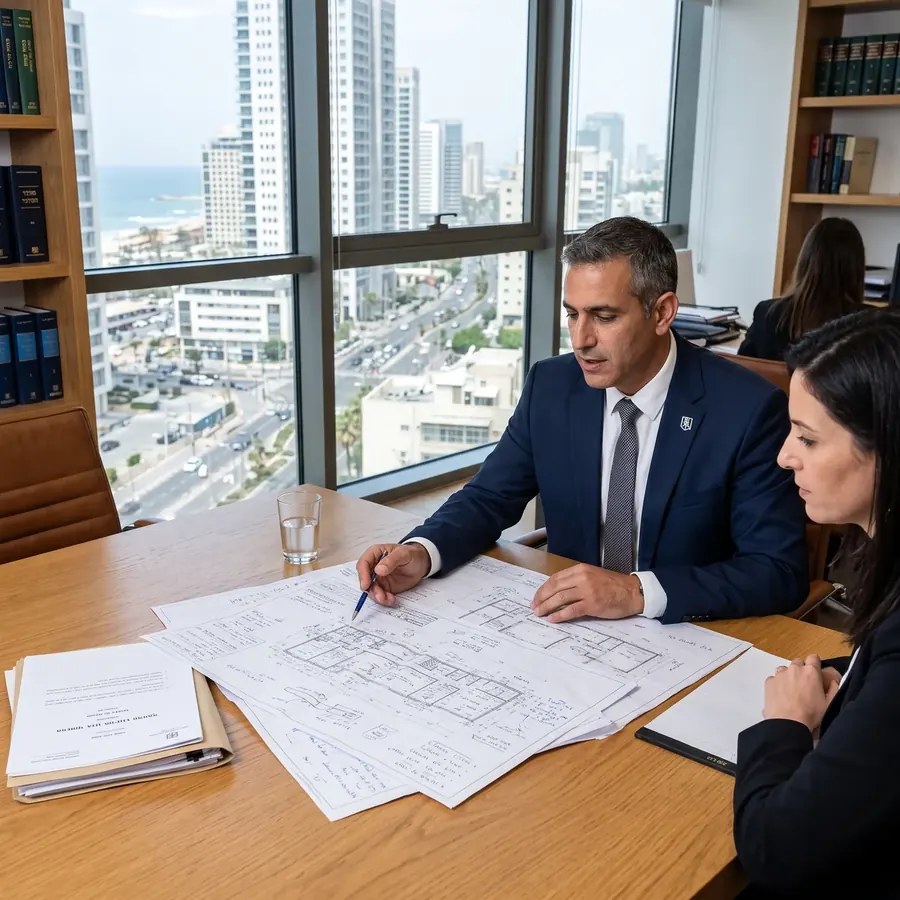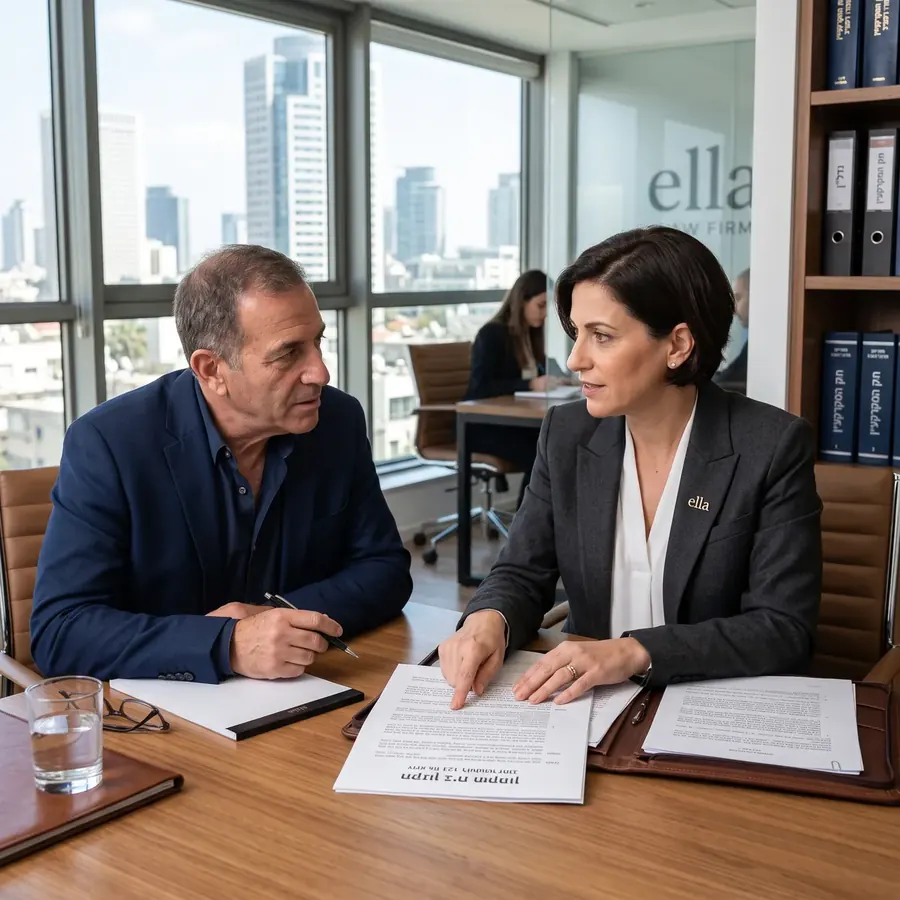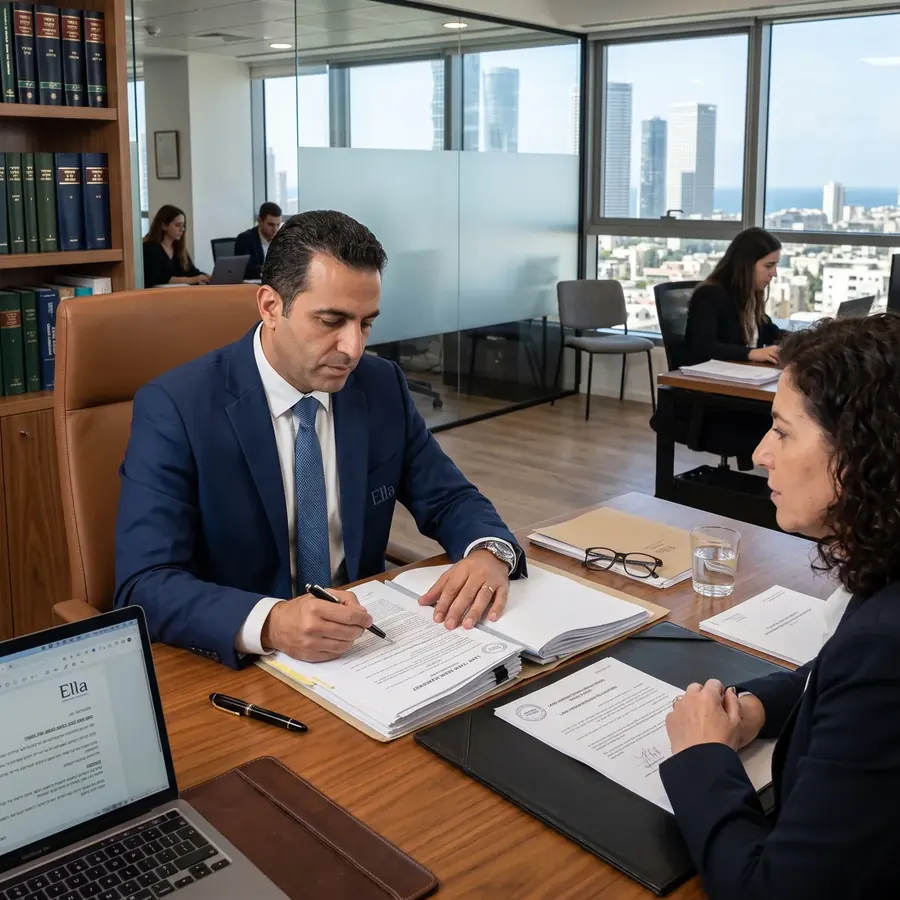




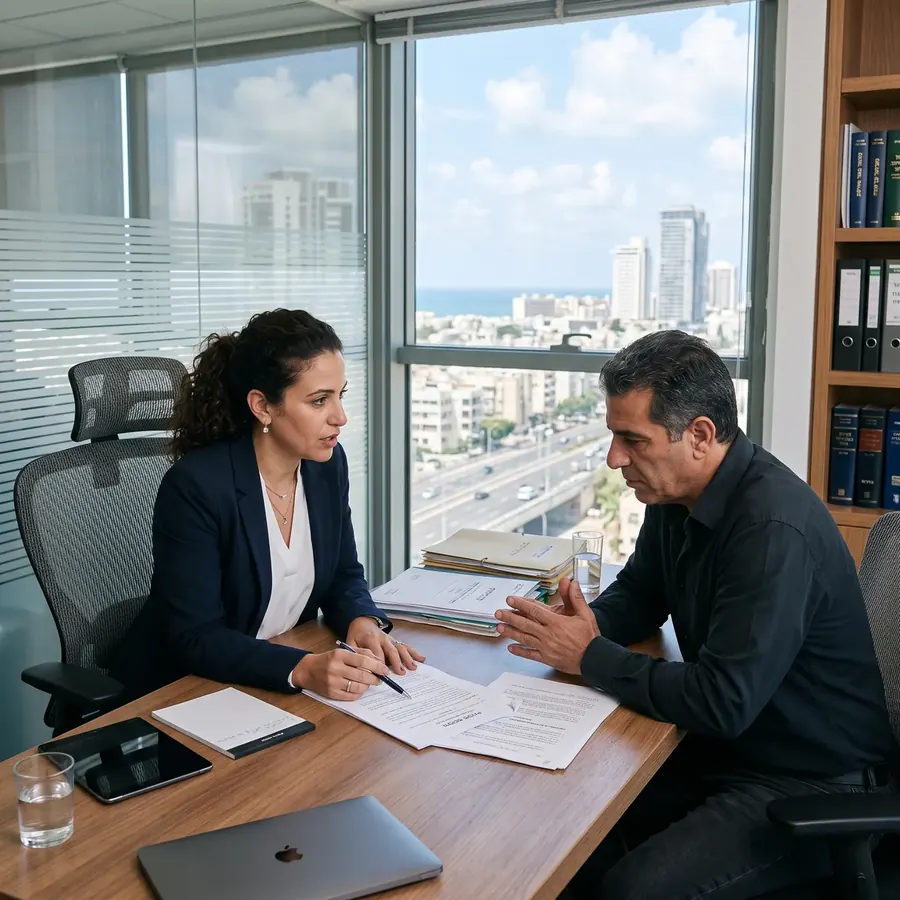
Owning property in Israel is a significant achievement, often representing a dream realized for many, from foreign investors to new immigrants (olim) and diaspora members. However, when that ownership involves shared property, such as a condominium or co‑owned asset, the complexities can quickly escalate. Disputes among co‑owners or within condominium associations are unfortunately common, ranging from minor disagreements to significant legal battles that threaten property value and peace of mind. Navigating these intricate situations requires a deep understanding of Israeli real estate law, keen negotiation skills, and strategic legal guidance.
At our firm, we specialize in providing comprehensive legal assistance for all aspects of condominium and co‑ownership disputes in Israel. We understand the unique challenges faced by international English speakers investing in or living in Israel, and we are dedicated to offering clear, reliable, and effective solutions. Our expertise ensures that your rights are protected, your interests are vigorously represented, and your property investments are secure, allowing you to focus on what matters most.
Understanding Condominium and Co‑ownership in Israel
In Israel, the legal framework governing shared properties, particularly condominiums (known as "Bayit Meshutaf" or "common house"), is primarily established under the Land Law, 5729‑2026 (חוק המקרקעין, תשכ"ט-2026). This legislation outlines the rights and obligations of apartment owners, the management of common areas, and the resolution of disputes. Understanding these foundational legal principles is the first step in addressing any co‑ownership conflict.
The Legal Framework for Shared Property
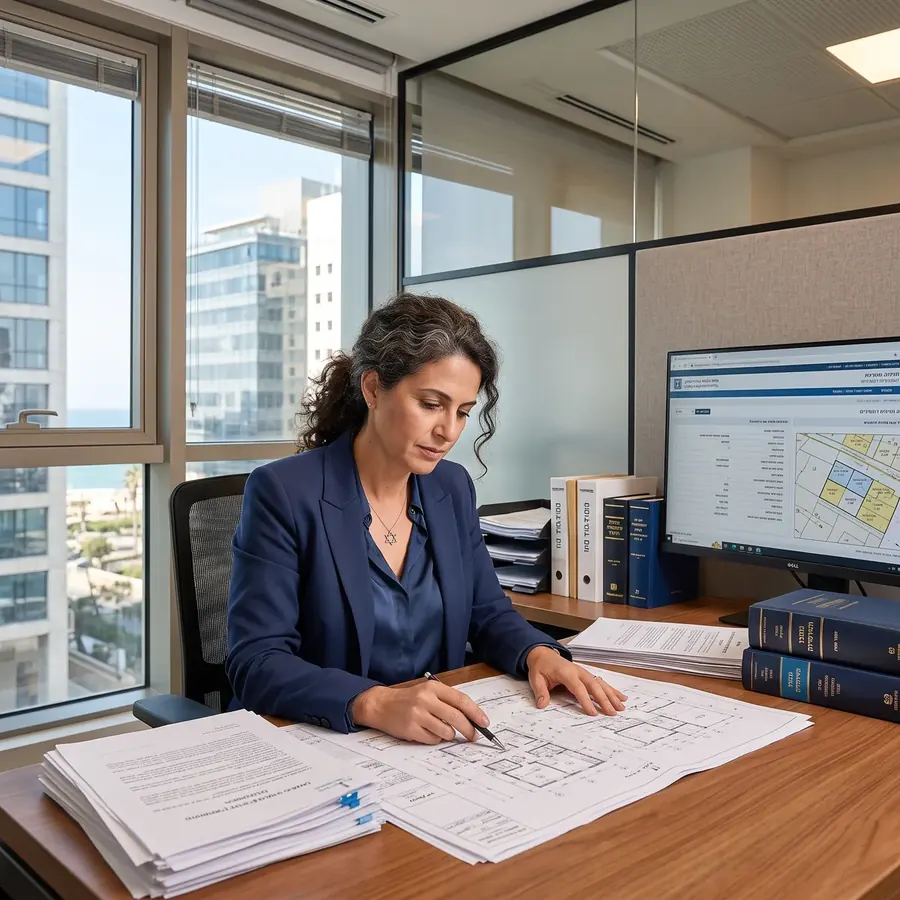
The Land Law defines what constitutes a condominium, detailing the individual ownership of apartments and the collective ownership of common property. Common property includes elements like the building's structure, elevators, stairwells, lobbies, gardens, and sometimes even the roof. Every apartment owner is a co‑owner of the common property, holding an undivided share proportional to their apartment's size, unless otherwise specified in the condominium's bylaws ("Takkanon"). These bylaws are crucial documents that dictate the rules of engagement for all residents and significantly impact how disputes are managed. Many disputes arise from ambiguities or disagreements over the interpretation and enforcement of these bylaws.
Common Types of Co‑ownership Structures
Beyond traditional apartment buildings, co‑ownership in Israel can take various forms. This includes residential condominiums in cities like Tel Aviv (61000) or Jerusalem (91000), commercial co‑ownerships in office buildings, and even co‑owned land parcels. Each structure presents its own set of potential challenges. For instance, in mixed‑use buildings (residential and commercial), conflicts often emerge regarding maintenance costs, shared utilities, and differing operational needs. Our firm has extensive experience with the nuances of these diverse structures, providing tailored advice that considers the specific legal and practical implications of your co‑ownership arrangement.
Let us resolve your co‑ownership dispute effectively.
★★★★★ 4,9/5 · 127 client reviewsNavigating Common Condominium Disputes
Disputes in co‑owned properties are multifaceted and can stem from a variety of issues. Early identification and strategic legal intervention are key to preventing escalation and protecting your interests. Understanding the most frequent types of conflicts can help you prepare and seek appropriate legal counsel.
Disputes Over Maintenance and Common Areas
One of the most frequent sources of contention involves the maintenance, repair, and improvement of common areas. Who is responsible for paying for a new roof? What if one owner refuses to contribute to elevator repairs? Disagreements can arise over the necessity of repairs, the quality of work, or the allocation of costs. The condominium's bylaws usually address these issues, but their interpretation can be contentious. Our lawyers help clarify these obligations and enforce fair contributions.
Financial Contributions and Management Fees
Financial disputes are another common challenge. These often involve arrears in monthly maintenance fees ("Va'ad Bayit" fees), disagreements over the budget set by the building's management committee, or disputes concerning special assessments for major projects. Ensuring all owners meet their financial obligations is vital for the upkeep and value of the property. We assist clients in recovering unpaid fees and challenging unreasonable financial demands. For more insights on managing property finances, you might find valuable information from Ella.
Renovation and Construction Issues
When one owner undertakes renovations that affect common property or the structural integrity of the building, or if they make changes without proper permits or agreement, disputes are inevitable. Similarly, disagreements can arise over the building's management committee's decision to carry out major construction projects. Such conflicts often involve complex engineering and legal considerations, requiring expert guidance to ensure compliance with building codes and protection of property rights.
Noise, Nuisance, and Neighborly Conflicts
Living in close proximity often leads to issues such as excessive noise, disputes over pet ownership, inappropriate use of common areas, or general nuisance. While these might seem minor, they can significantly impact quality of life and property enjoyment. Our team helps mediate these sensitive situations, seeking resolutions that respect the rights of all parties while upholding the condominium's rules.
Violations of Building Regulations and House Rules
Every condominium has a set of rules and regulations, whether formal bylaws or informal house rules. Violations, such as unauthorized alterations to apartments, misuse of balconies, or commercial activities in a residential unit, can lead to serious disputes. We represent clients in enforcing these rules and addressing non‑compliance, ensuring the harmonious functioning of the shared property environment.
Let us resolve your co‑ownership dispute effectively.
★★★★★ 4,9/5 · 127 client reviewsThe Role of an Experienced Real Estate Lawyer in Israel
When facing a condominium or co‑ownership dispute in Israel, the expertise of a specialized real estate lawyer is invaluable. We provide comprehensive legal services designed to navigate these complex issues effectively and efficiently, offering peace of mind and protecting your investment.
Initial Assessment and Legal Strategy Development
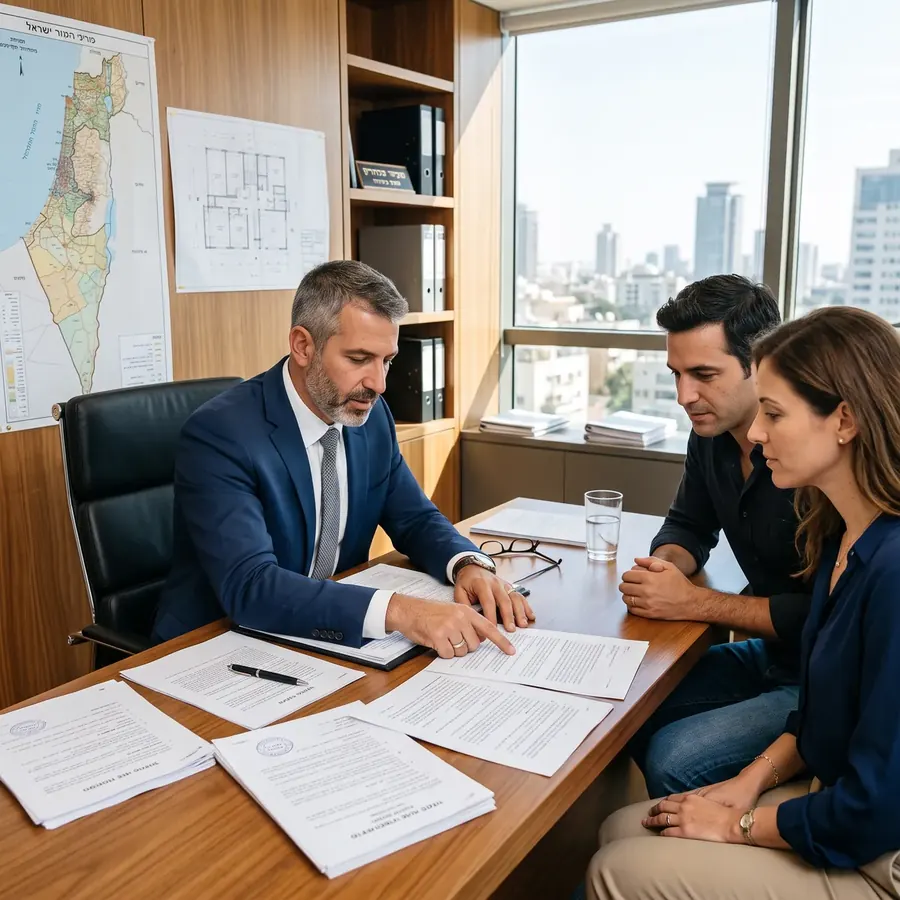
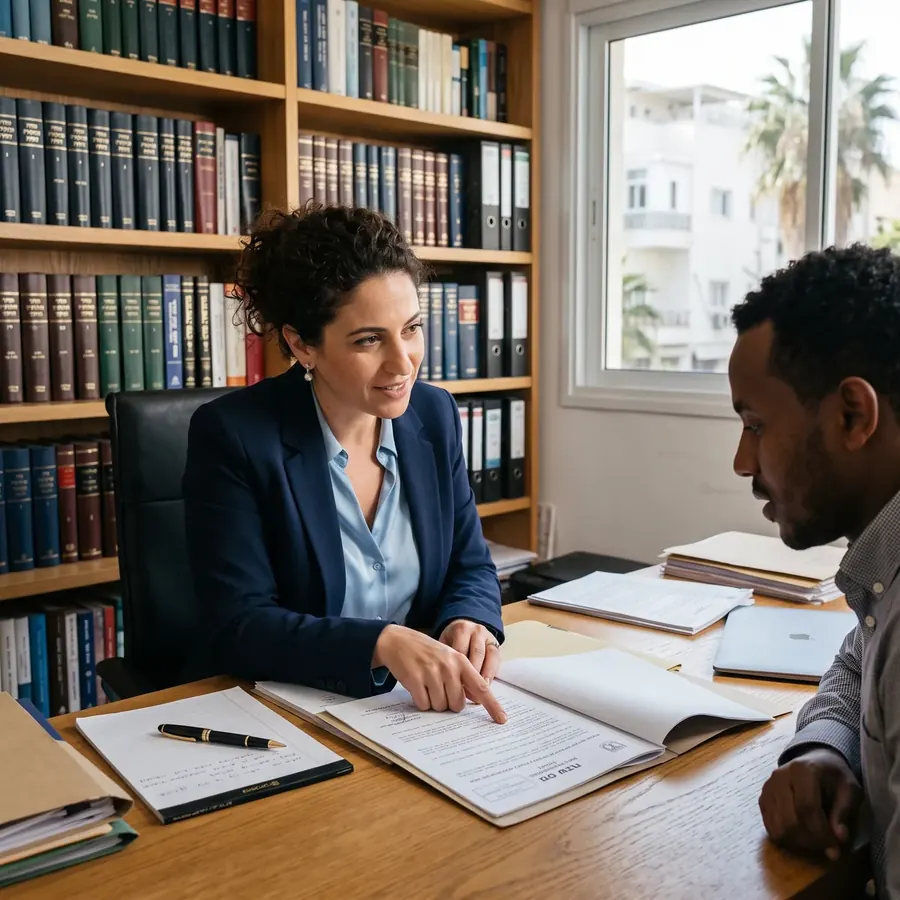
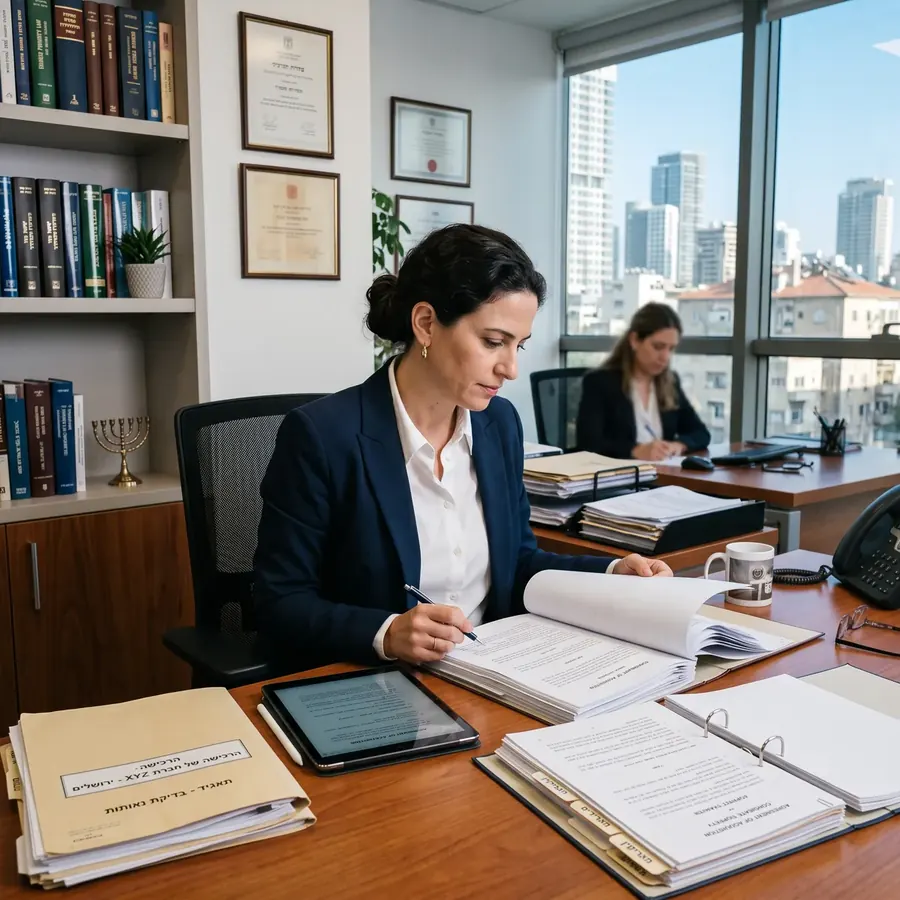
Our process begins with a thorough assessment of your specific situation. We meticulously review all relevant documents, including purchase agreements, condominium bylaws, correspondence, and any existing legal opinions. Based on this analysis, we develop a tailored legal strategy that outlines your rights, obligations, and the most viable paths to resolution, whether through negotiation, mediation, or litigation. This initial phase is crucial for establishing a strong foundation for your case.
Mediation and Alternative Dispute Resolution (ADR)
Often, the most efficient and cost‑effective way to resolve co‑ownership disputes is through alternative dispute resolution (ADR) methods, particularly mediation. Mediation allows parties to reach a mutually agreeable solution outside of court, preserving relationships and reducing legal expenses. Our lawyers are skilled mediators and negotiators, adept at facilitating constructive dialogue and crafting creative solutions that serve our clients' best interests. We guide you through every step of the mediation process, ensuring your voice is heard and your objectives are met.
Representation in Litigation
When amicable resolution is not possible, or when the dispute requires a definitive legal ruling, our firm provides robust representation in Israeli courts or before relevant tribunals. We have extensive experience in real estate litigation, preparing compelling arguments, presenting evidence, and advocating fiercely on behalf of our clients. We handle all aspects of the litigation process, from filing claims and preparing pleadings to representing you in hearings and enforcing judgments. Our goal is to achieve the most favorable outcome possible, protecting your property rights and financial interests.
Ensuring Compliance and Protecting Your Rights
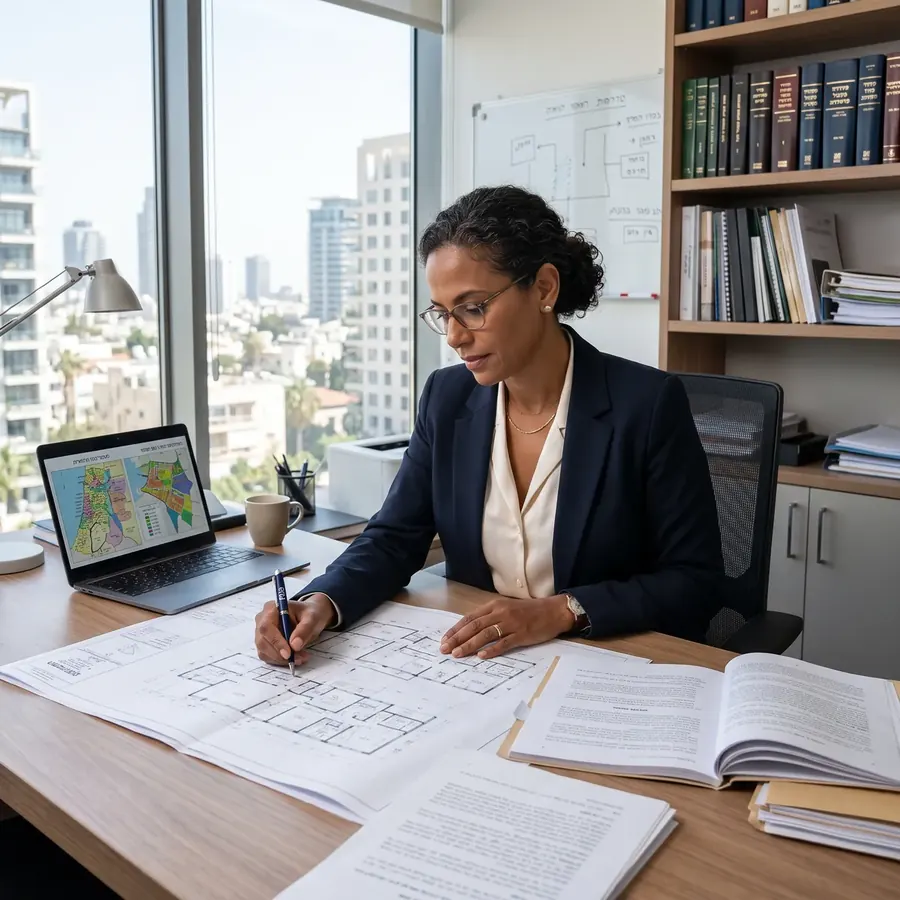
Beyond dispute resolution, our role extends to ensuring that all actions taken within the co‑ownership framework comply with Israeli law. This includes advising on the legality of management committee decisions, challenging unauthorized actions by other owners, and ensuring that common property is managed transparently and fairly. We act as your vigilant legal guardian, safeguarding your rights and ensuring adherence to the legal provisions governing shared property in Israel.
Let us resolve your co‑ownership dispute effectively.
★★★★★ 4,9/5 · 127 client reviewsKey Steps in Resolving Co‑ownership Disputes
Successfully resolving a condominium or co‑ownership dispute involves a structured approach. Our firm guides you through each critical step, ensuring a strategic and methodical process towards resolution.
Gathering Evidence and Documentation
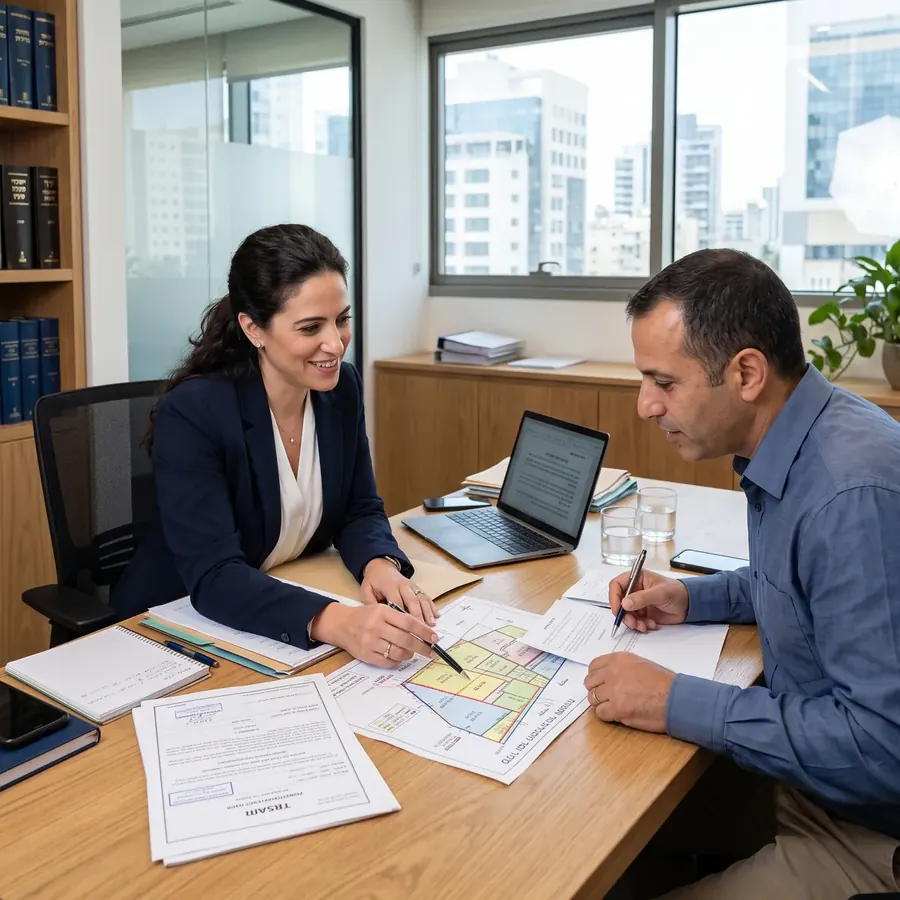
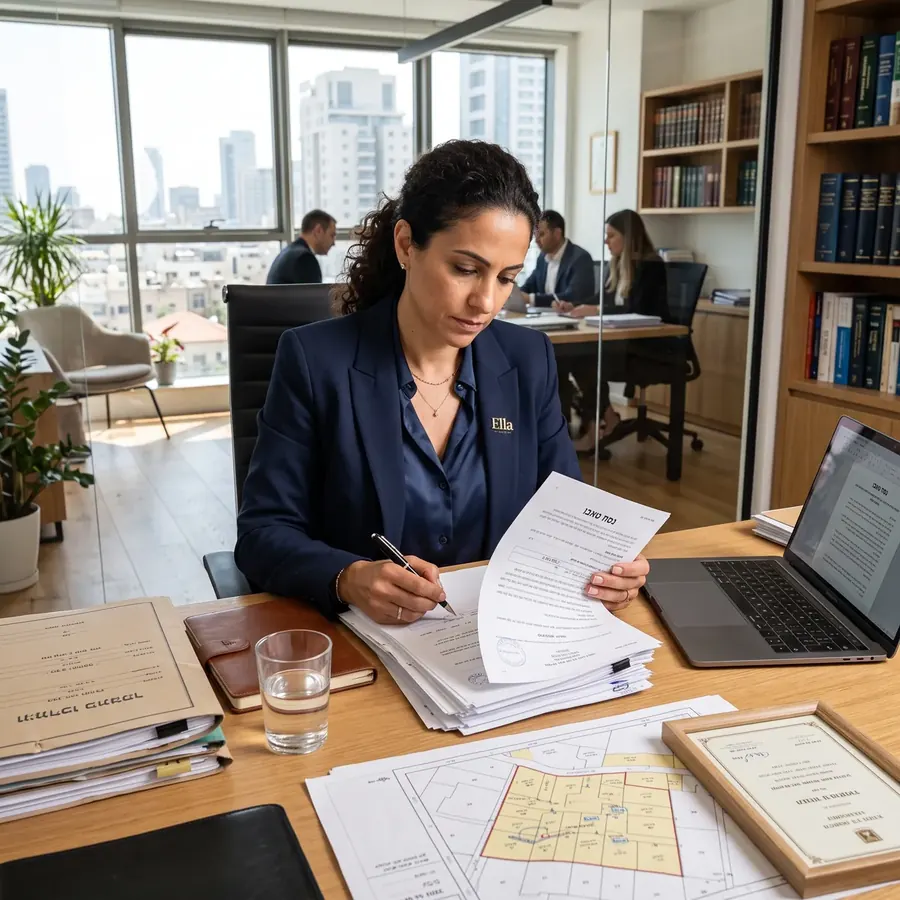
The foundation of any strong legal case is comprehensive evidence. This includes all property‑related documents such as the condominium's bylaws (Takkanon), your purchase agreement, minutes of condominium meetings, correspondence with other owners or the management committee, photographs, expert reports, and financial records. Meticulous documentation helps establish the facts, support your claims, and refute opposing arguments. We assist in identifying, collecting, and organizing all necessary evidence to build a robust case.
Communication and Negotiation
Before resorting to formal legal proceedings, effective communication and negotiation are often attempted. This can involve sending formal legal letters outlining your position and demands, participating in direct discussions with other parties, or engaging in structured negotiation sessions. Our lawyers are skilled negotiators who advocate for your interests while seeking pragmatic solutions. We understand the cultural nuances of communication in Israel and leverage this insight to foster productive discussions.
Formal Legal Proceedings
If negotiation or mediation fails, initiating formal legal proceedings becomes necessary. This may involve filing a claim with the Supervisor of Condominiums (המפקח על רישום המקרקעין) or pursuing litigation in the Magistrate's Court or District Court, depending on the nature and complexity of the dispute. We meticulously prepare all legal documents, represent you in court, and navigate the procedural intricacies of the Israeli legal system. Our objective is to present a clear, compelling case that leads to a favorable judgment.
Enforcement of Judgments and Agreements
Obtaining a favorable judgment or reaching a signed agreement is only part of the process. Ensuring its enforcement is equally critical. Whether it involves compelling another party to perform certain actions, cease particular behaviors, or make financial contributions, we pursue all necessary legal avenues to enforce the terms of the resolution. This might include actions through the Execution Office (הוצאה לפועל) to recover debts or ensure compliance with court orders. For further reading on enforcement, consider resources from Ella.
Let us resolve your co‑ownership dispute effectively.
★★★★★ 4,9/5 · 127 client reviewsPreventing Future Disputes: Proactive Legal Measures
While resolving existing disputes is crucial, our firm also emphasizes proactive measures to prevent future conflicts. A well‑structured legal framework and clear communication can significantly reduce the likelihood of costly and time‑consuming disputes.
Drafting Clear Co‑ownership Agreements
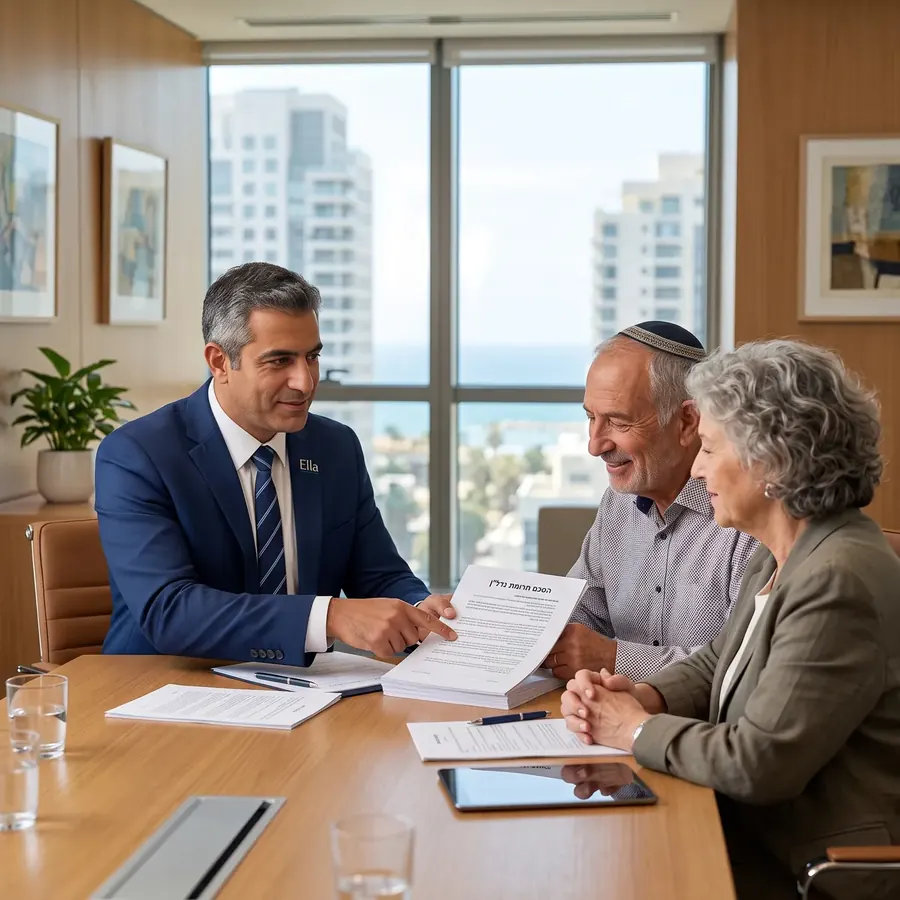
The condominium bylaws (Takkanon) are the cornerstone of shared property governance. Ensuring these bylaws are comprehensive, clear, and legally sound is paramount. We assist in drafting, reviewing, and amending these agreements to address potential areas of conflict proactively, covering aspects such as maintenance responsibilities, financial contributions, rules for common areas, and dispute resolution mechanisms. A well‑drafted agreement minimizes ambiguity and provides a clear roadmap for all co‑owners.
Regular Legal Review and Updates
The legal landscape and the needs of a co‑owned property can evolve over time. Regular legal reviews of the condominium's bylaws and other relevant agreements are essential to ensure they remain current and effective. We provide ongoing legal counsel, advising on necessary amendments or updates to accommodate changes in law, property use, or owner demographics. This proactive approach helps maintain legal compliance and prevent new disputes from arising.
Effective Communication Strategies
Many disputes stem from misunderstandings or a lack of clear communication. We advise management committees and individual owners on establishing effective communication channels and protocols within the condominium. This includes guidelines for official notifications, meeting procedures, and processes for addressing concerns. Fostering an environment of transparency and open dialogue can significantly reduce friction among co‑owners.
Here are some common challenges often encountered in co‑ownership:
- Lack of clear communication channels and protocols among owners.
- Differing expectations regarding property use, maintenance standards, and financial contributions.
- Financial disagreements, including arrears in fees or disputes over budget allocations.
- Misunderstanding or misinterpretation of legal rights and obligations under Israeli property law.
- Emotional factors and personal grievances that escalate minor issues into significant conflicts.
The benefits of professional legal representation in these matters are undeniable:
- Expert interpretation and application of complex Israeli property law to your specific case.
- Strategic negotiation and mediation skills to achieve favorable outcomes without prolonged litigation.
- Effective court representation, ensuring your case is presented compellingly and professionally.
- Peace of mind knowing that your legal affairs are handled by seasoned professionals dedicated to your interests.
- Protection of your property value and investment from the adverse effects of unresolved disputes.
Top 5 Considerations When Facing a Co‑ownership Dispute
When you find yourself in a condominium or co‑ownership dispute in Israel, keeping these key considerations in mind can guide your actions:
- Understand Your Rights and Obligations: Before taking any action, familiarize yourself with the condominium bylaws and Israeli property law relevant to your situation. Knowing your legal standing is crucial.
- Gather All Relevant Documentation: Collect every piece of evidence – agreements, correspondence, financial records, photos – that pertains to the dispute. Thorough documentation strengthens your position.
- Attempt Amicable Resolution First: Explore options like direct communication or informal negotiation. Sometimes, a misunderstanding can be resolved without formal legal intervention.
- Seek Expert Legal Counsel Early: Consulting with a specialized real estate lawyer in Israel at the outset can prevent escalation, provide clarity on your options, and save time and resources in the long run.
- Be Prepared for the Legal Process: Understand that resolving disputes can take time. Be patient, organized, and ready to follow through with the necessary legal steps, guided by your attorney.
Below is a comparative table of dispute resolution methods in Israel:
| Method | Description | Pros | Cons |
|---|---|---|---|
| Mediation | A neutral third party facilitates communication and helps parties reach a mutually agreeable settlement outside of court. | Cost‑effective, preserves relationships, confidential, flexible solutions. | Requires willingness from all parties, not legally binding unless formalized, may not suit complex legal issues. |
| Litigation | Formal legal proceedings in court where a judge or tribunal makes a binding decision based on presented evidence and arguments. | Legally binding decision, public record, suitable for complex legal issues, can enforce rights. | Time‑consuming, expensive, adversarial, outcomes can be unpredictable, public. |
Here's a table of essential documents for co‑ownership disputes:
| Document | Importance |
|---|---|
| Condominium Bylaws (Takkanon) | The foundational document outlining rules, rights, and obligations for all owners and the management committee. |
| Purchase Agreement | Your original contract of sale, detailing your specific property rights and any initial agreements. |
| Correspondence | Emails, letters, and official notices exchanged with other owners, the management committee, or relevant authorities. |
| Building Management Records | Minutes of meetings, financial statements, budgets, and records of repairs or renovations. |
| Expert Reports | Assessments from engineers, appraisers, or other specialists relevant to the dispute (e.g., structural issues). |
| Photographic/Video Evidence | Visual records of damages, unauthorized alterations, or conditions related to the dispute. |
Co‑ownership in Israel, whether in a vibrant city like Haifa (31000) or a growing community like Rishon LeZion (75000), offers unique opportunities but also presents potential for conflict. When disputes arise, they can be stressful, time‑consuming, and detrimental to your property investment. Our firm is dedicated to providing the expert legal counsel and representation you need to navigate these challenges successfully. We bring clarity to complex legal situations, ensuring your rights are protected and your interests are upheld with professionalism and integrity.
Don't let condominium or co‑ownership disputes undermine your peace of mind or your investment in Israel. Contact us today for a confidential consultation. Let us put our expertise to work for you, securing a favorable resolution and ensuring the continued enjoyment of your property. Our transparent fees and client‑focused approach mean you receive exceptional service without hidden costs. Reach out to us to discuss your specific situation and discover how we can help.