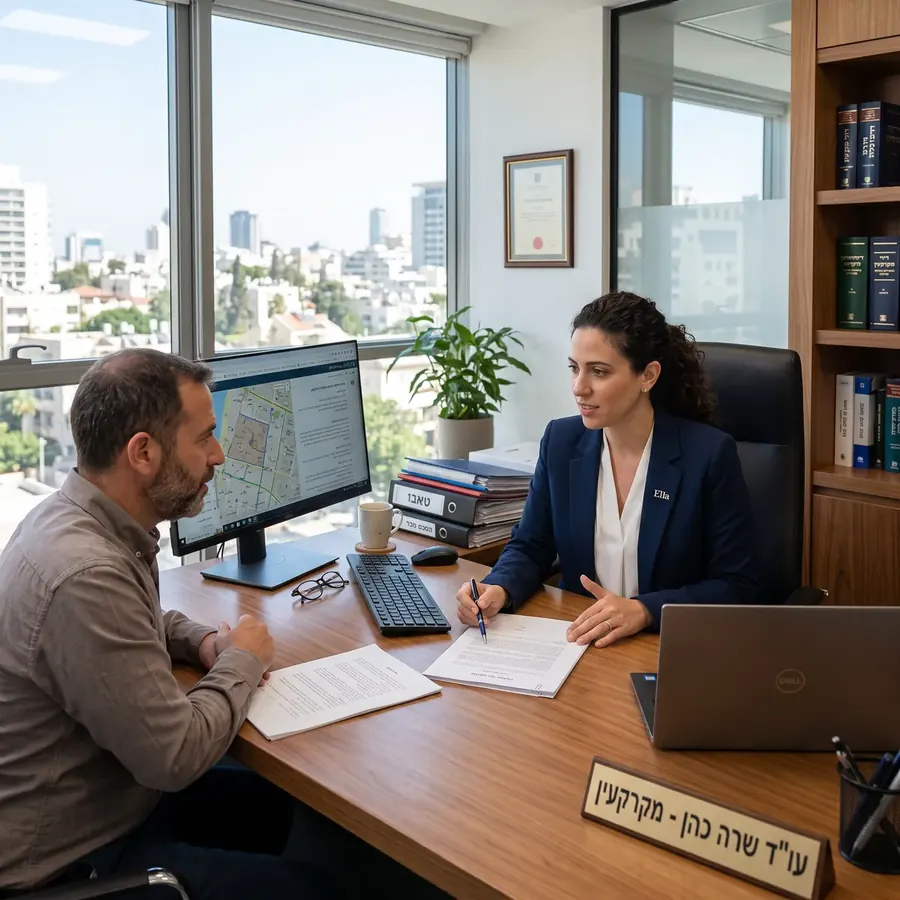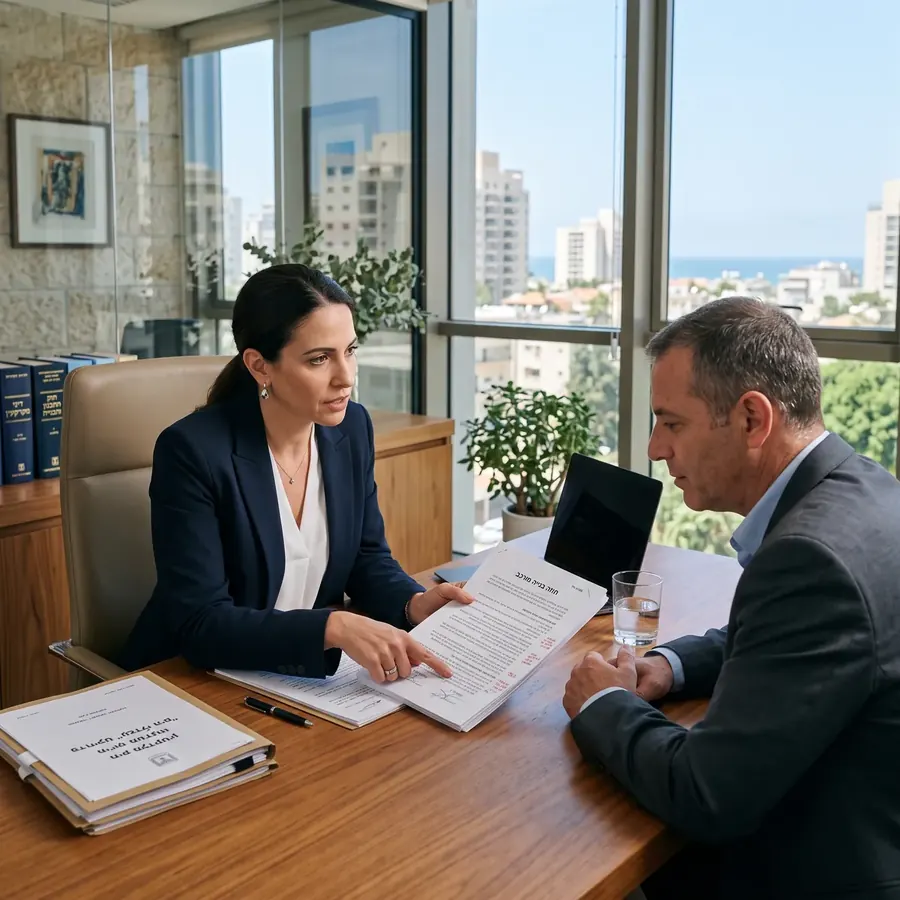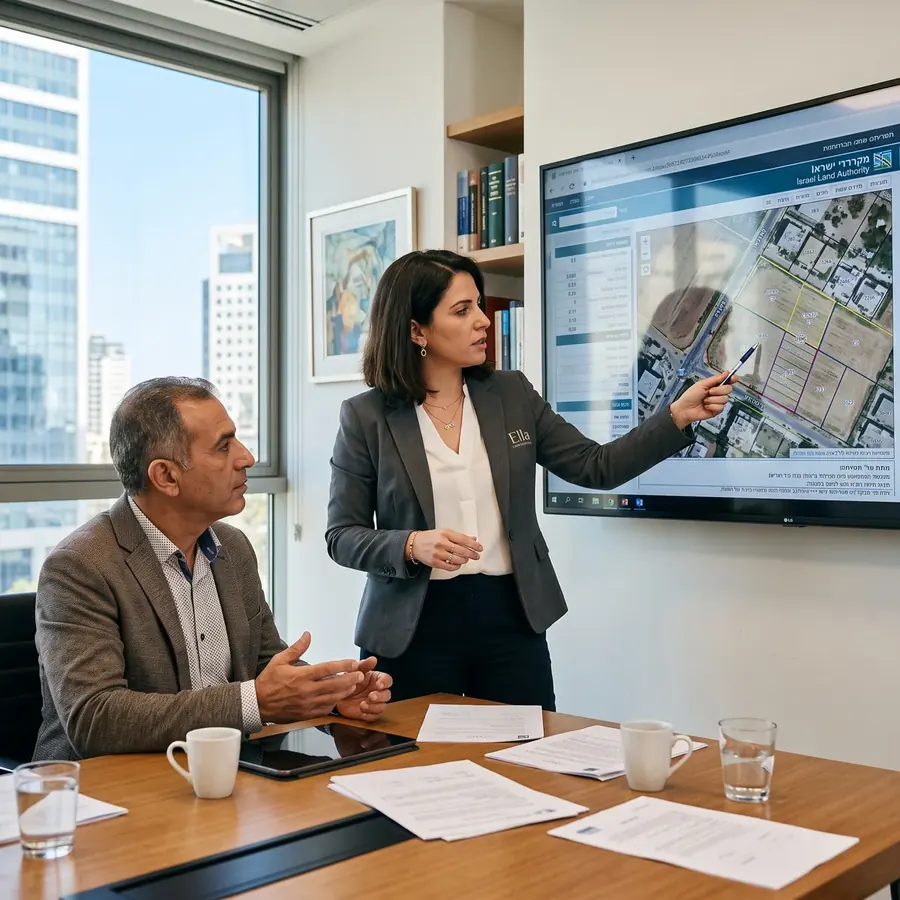





Investing in Israeli real estate presents a wealth of opportunities, from vibrant urban centers like Tel Aviv (61000) to historical gems in Jerusalem (91000). For many international English speakers, including diaspora communities, foreign investors, and new olim, purchasing property in Israel often involves joint ownership. Whether you are acquiring a holiday home with family, investing in a commercial venture with partners, or navigating post‑divorce property arrangements, the complexities of shared ownership necessitate meticulous legal planning. A professionally drafted Joint Ownership Agreement is not just a recommendation; it is a fundamental safeguard for your investment and peace of mind. Without a clear, legally binding document, co‑owners can face significant disputes over property management, financial contributions, and eventual sale, which can be costly and emotionally draining. Our firm specializes in crafting comprehensive Joint Ownership Agreements tailored to the unique landscape of Israeli property law, ensuring your interests are protected every step of the way.
Understanding Joint Ownership in Israeli Real Estate
Joint ownership, known as "shutafut" (שותפות) in Israel, implies that each owner holds an undivided proportional share of the entire property. This means no co‑owner owns a specific room or floor; rather, each possesses a percentage of the whole. This unique aspect of Israeli property law, primarily codified in the Land Law 5729‑1969, demands a nuanced understanding to avoid potential pitfalls. Shares do not have to be equal and are registered at the Israel Land Registry, commonly known as the Tabu (טאבו).
Diverse Forms of Co‑Ownership
Joint property ownership in Israel commonly arises in several scenarios:
- Inheritance: Multiple heirs, such as siblings, inheriting an apartment from a parent, each receiving a proportional share as per estate distribution.
- Joint Purchase: Two or more buyers, perhaps a foreign investor with a local partner, purchasing a property together and splitting the title.
- Divorce or Separation: A property registered in both spouses' names remaining in co‑ownership until formally divided.
- Investment Partnerships: Groups of investors acquiring land for development, often seen in burgeoning areas like Be'er Sheva (84000) or Haifa (31000).
Each of these situations carries its own set of considerations and potential challenges, underscoring the need for a carefully constructed agreement.
Legal Framework in Israel for Shared Property
The Israeli Land Law 5729‑1969 is the cornerstone of property law in Israel, governing the rights and obligations of co‑owners. A significant feature of this law is the powerful and largely unrestricted right of any co‑owner to demand the dissolution of co‑ownership at any time, known as "piruk shutafut" (פירוק שותפות). The court's first preference is physical partition, but for urban apartments or small plots, a forced sale and division of proceeds is often the practical outcome. This inherent right to dissolve highlights why a robust joint ownership agreement is not just beneficial, but essential, to define terms and prevent unexpected forced sales.
Protect Your Joint Investment with Us
★★★★★ 4,9/5 · 127 client reviewsWhy a Professional Joint Ownership Agreement is Indispensable
While the prospect of sharing property in Israel can be exciting, the absence of a clear agreement can lead to significant friction and financial loss. A generic agreement, often found online, almost always misses critical nuances specific to Israeli law and individual circumstances.
Preventing Future Disputes
Disputes between co‑owners are surprisingly common, especially between overseas and Israeli‑resident parties. These can range from disagreements over maintenance costs to major decisions about selling the property. A well‑drafted agreement anticipates these potential conflicts, outlining clear procedures for resolution and decision‑making, thus saving co‑owners from lengthy and expensive litigation.
Clarifying Rights and Obligations
A professional agreement explicitly defines each co‑owner's rights and responsibilities. This includes usage rights, financial contributions, and management duties. For instance, without an agreement, a co‑owner using or profiting from the property might be liable to pay other co‑owners their share of historic rental income. Clarifying these aspects from the outset ensures transparency and accountability.
Safeguarding Your Investment
Your property in Israel is a significant asset. A comprehensive Joint Ownership Agreement acts as a shield, protecting that investment from unforeseen circumstances or disputes among co‑owners. It ensures that your financial contributions are properly accounted for, and that mechanisms are in place for fair valuation and distribution should the co‑ownership dissolve. Protecting your assets extends to understanding the implications of inheritance; unlike some foreign jurisdictions, Israeli law does not automatically grant survivorship rights. Instead, a deceased spouse's share is distributed according to their will or intestacy laws, making specific structuring crucial. For tailored advice on securing your property interests, consider connecting with Ella.
Protect Your Joint Investment with Us
★★★★★ 4,9/5 · 127 client reviewsKey Elements of a Comprehensive Joint Ownership Agreement
A robust Joint Ownership Agreement goes far beyond simply stating who owns what percentage. It delves into the intricate details of property management and future eventualities.
Defining Ownership Shares and Contributions
This section clearly outlines the percentage of ownership for each party and details their initial financial contributions, including purchase price, taxes, and legal fees. It can also specify how future capital injections or improvements will be handled.
Management and Decision‑Making Protocols
Who makes decisions about renovations, rental agreements, or major repairs? The agreement establishes clear protocols for decision‑making, whether by unanimous consent, majority vote, or other agreed‑upon methods. It also defines responsibilities for day‑to‑day management.
Financial Responsibilities and Expense Allocation
This critical component specifies how ongoing expenses—such as municipal taxes (arnona), building maintenance fees, insurance, and utilities—will be divided and paid. It differentiates between ongoing expenses, those preserving property value, and those intended for improvement, and clarifies what happens if one co‑owner pays on behalf of others.
Exit Strategies and Dispute Resolution Mechanisms
One of the most vital aspects of any joint ownership agreement is a clear exit strategy. This includes provisions for a co‑owner wishing to sell their share, outlining rights of first refusal for other co‑owners, and a fair valuation mechanism in case of dispute. Furthermore, it establishes mechanisms for resolving disagreements, such as mediation, which is encouraged by Israeli law as a binding alternative to civil court.
Provisions for Sale, Transfer, or Inheritance
The agreement should address scenarios such as the sale of the entire property, the transfer of shares, or the implications of a co‑owner's death. This ensures a smooth transition and prevents forced sales or complicated inheritance disputes, especially given Israel's intestacy laws.
Here is a comparative overview of key joint ownership considerations:
| Aspect | Without Professional Agreement | With Professional Agreement |
|---|---|---|
| Decision‑Making | Potential stalemates, disagreements, and delays on crucial property matters. | Clear protocols for all decisions (e.g., unanimous, majority vote), ensuring efficiency. |
| Financial Contributions | Ambiguity regarding expense allocation, leading to disputes over maintenance, taxes, and improvements. | Explicit definitions for sharing all costs, including initial investment and ongoing expenses. |
| Dispute Resolution | Reliance on costly and time‑consuming litigation in Israeli courts. | Pre‑defined mediation or arbitration clauses, offering faster, less adversarial solutions. |
| Exit Strategy | Risk of forced sale ("piruk shutafut") initiated by any co‑owner, potentially at an unfavorable time or price. | Structured options for selling shares, rights of first refusal, and fair valuation methods. |
| Inheritance | Default to Israeli intestacy laws if no will, potentially leading to unintended distribution of shares. | Provisions for transfer upon death, ensuring alignment with co‑owners' wishes and estate planning. |
Protect Your Joint Investment with Us
★★★★★ 4,9/5 · 127 client reviewsThe Drafting Process: Our Client‑Centric Approach
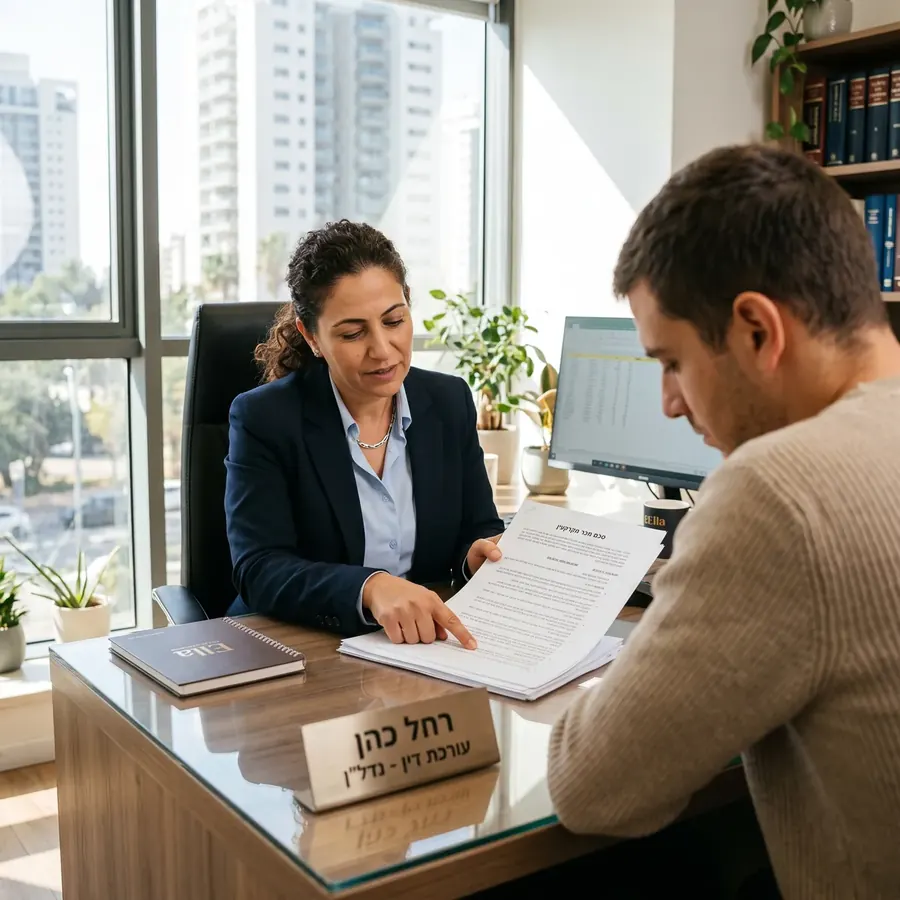
Our firm understands that each joint ownership situation is unique. We adopt a meticulous, client‑centric approach to drafting your Joint Ownership Agreement, ensuring it precisely reflects your objectives and protects your interests within the framework of Israeli law.
Initial Consultation and Needs Assessment
The process begins with an in‑depth consultation where we listen to your specific goals, concerns, and the unique circumstances surrounding your joint property venture. This includes understanding the nature of the co‑ownership, the relationship between parties, and long‑term aspirations for the property.
Tailored Agreement Development
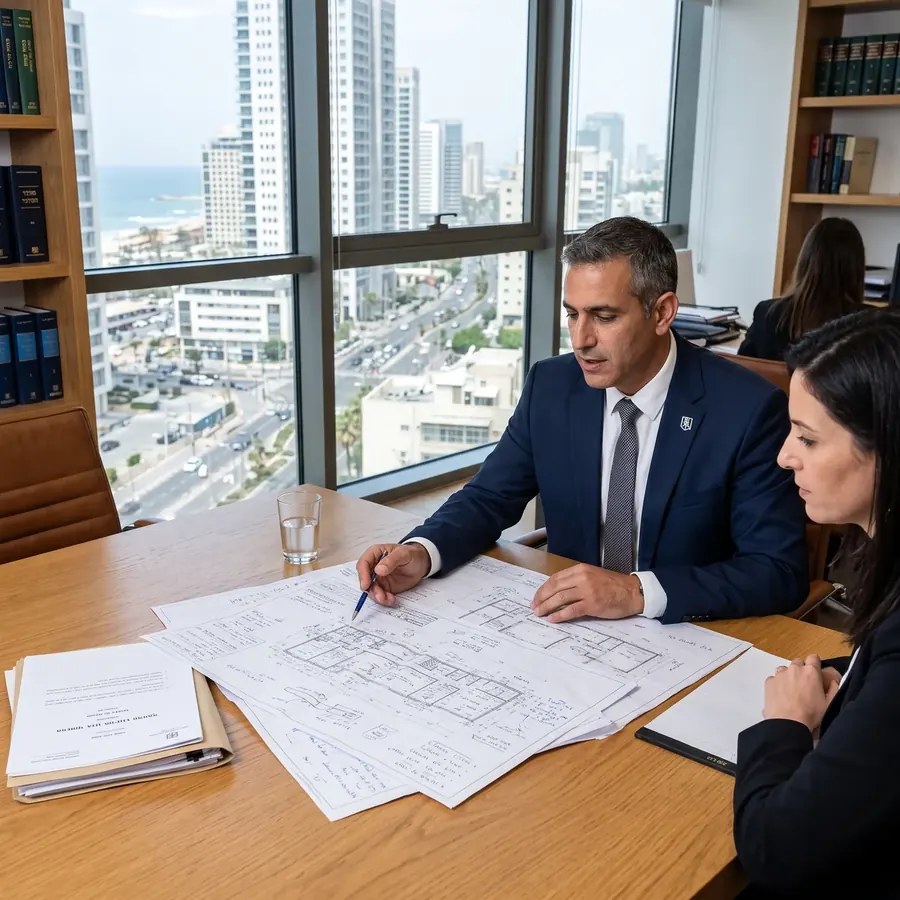
Leveraging our expertise in Israeli real estate law, we then proceed to draft a customized agreement. This involves incorporating all necessary clauses, from financial contributions and management responsibilities to detailed exit strategies and dispute resolution mechanisms. We ensure the language is clear, unambiguous, and legally sound.
Review, Negotiation, and Finalization
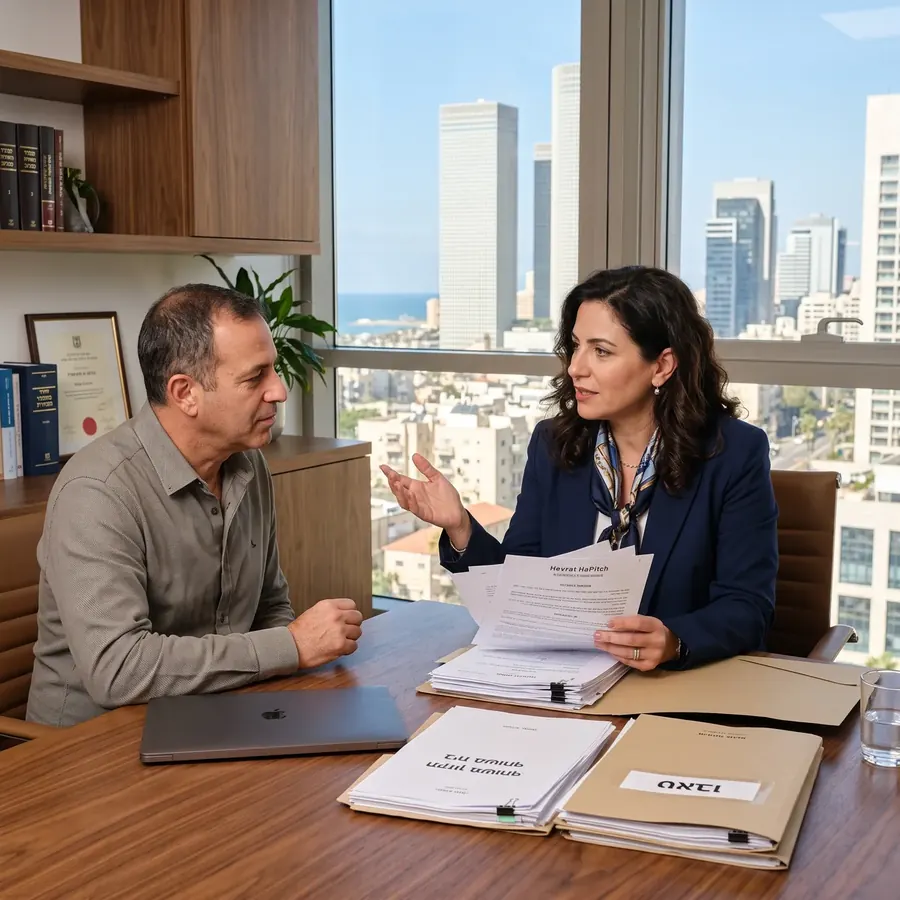
We present the draft agreement for your thorough review and facilitate any necessary negotiations between co‑owners. Our role is to represent your interests, ensuring all parties reach a mutual understanding and agreement. Once finalized, we guide you through the signing process and, where applicable, assist with its registration at the Israel Land Registry (Tabu) to ensure its binding force against third parties. Our transparent fee structure will be discussed openly during your initial consultation, reflecting the complexity and scope of the work involved.
Protect Your Joint Investment with Us
★★★★★ 4,9/5 · 127 client reviewsCommon Scenarios Benefiting from Joint Ownership Agreements
The versatility of a well‑drafted Joint Ownership Agreement makes it invaluable across a spectrum of real estate scenarios in Israel.
Family Property Investments
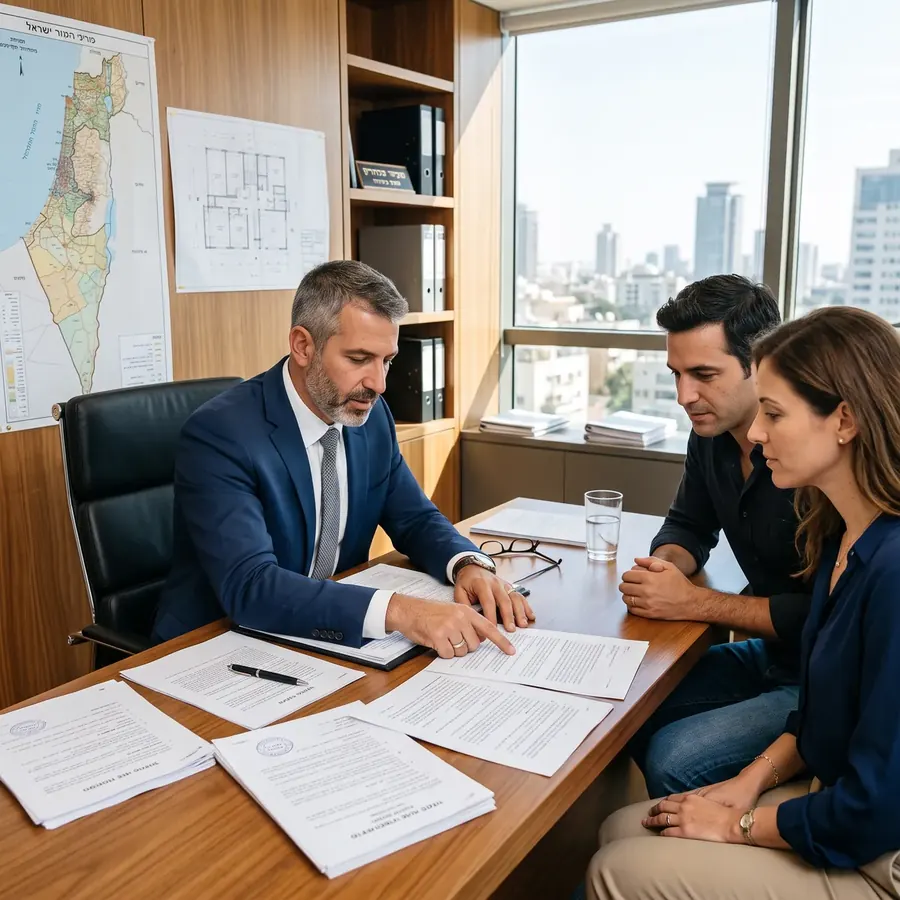
Many families choose to jointly invest in property in Israel, perhaps a vacation home in Eilat (88000) or an apartment for future generations. An agreement clarifies usage schedules, maintenance contributions, and future inheritance, preventing potential family disagreements. For further insights into family property, consider resources from Ella.
Business Partnerships in Real Estate
Entrepreneurs and investors frequently pool resources for commercial properties or development projects. A robust agreement defines each partner's role, financial obligations, profit‑sharing, and mechanisms for dissolution or buy‑outs, crucial for complex projects in dynamic markets like Herzliya (46100).
International Investors and Co‑Purchasers
For individuals residing abroad, or olim settling in Israel, co‑purchasing property with a local partner or another international investor can be a strategic move. An agreement addresses challenges such as managing property from a distance, currency fluctuations for contributions, and ensuring legal compliance within Israel. It also protects foreign nationals, who, like Israeli citizens, have equal property rights in Israel unless structured otherwise by a prenuptial or purchase agreement.
Here's a checklist of essential clauses for your Joint Ownership Agreement:
| Clause Category | Key Provisions |
|---|---|
| Ownership & Contributions | Exact percentage of ownership for each party; initial financial contributions; procedures for future capital calls or investments. |
| Management & Usage | Responsibilities for day‑to‑day management; rules for property use, including rental policies; decision‑making authority for repairs, renovations, and major capital expenditures. |
| Financial Obligations | Allocation of property taxes (arnona), utility bills, insurance premiums, maintenance costs, and any other shared expenses; mechanism for handling defaults on payments. |
| Dispute Resolution | Mandatory mediation or arbitration clauses for resolving disagreements; clear steps to follow if disputes arise, avoiding immediate litigation. |
| Sale & Transfer | Conditions under which a co‑owner can sell their share; rights of first refusal for other co‑owners; valuation methods for buy‑outs or sales; procedures for selling the entire property. |
| Termination & Dissolution | Events triggering the termination of the agreement or dissolution of co‑ownership; procedures for distributing assets upon dissolution, including accounting for all contributions and profits. |
Protect Your Joint Investment with Us
★★★★★ 4,9/5 · 127 client reviewsProtecting Your Investment: Dispute Resolution and Future Planning
Even with the most carefully drafted agreement, circumstances can change. Proactive planning for potential disputes and future adaptations is key to long‑term asset protection.
Mechanisms for Conflict Resolution
Our agreements incorporate robust dispute resolution clauses, often prioritizing mediation. Mediation offers a confidential and efficient path to resolving conflicts without the need for lengthy and public court proceedings. Should mediation prove unsuccessful, the agreement can stipulate arbitration or outline the judicial process, providing a clear roadmap for resolution.
Adapting Agreements to Changing Circumstances
Life is dynamic, and your joint ownership agreement should be able to adapt. While Israeli law allows for any co‑owner to demand dissolution, and clauses prohibiting severance for more than three years can be challenged, a well‑structured agreement can still incorporate provisions for periodic review and amendment, ensuring it remains relevant to the evolving needs of the co‑owners and the property itself. For advice on adapting your current agreements, contact Ella.
Long‑Term Asset Protection Strategies
Beyond the immediate terms of co‑ownership, we advise on broader asset protection strategies. This includes aligning your Joint Ownership Agreement with your overall estate planning in Israel, ensuring that your share of the property is distributed according to your wishes upon your passing. It also involves understanding the tax implications of joint ownership and planning for potential changes in Israeli property law.
Here are the top 5 considerations for joint property ventures in Israel:
- Clear Communication: Establish open and honest dialogue with all co‑owners from the outset, discussing expectations, financial capabilities, and long‑term goals for the property.
- Financial Transparency: Meticulously document all financial contributions, including initial investments, ongoing expenses, and any income generated by the property, to ensure fairness and prevent future disputes.
- Defined Decision‑Making: Clearly outline the process for making all property‑related decisions, from minor maintenance issues to major sales, specifying whether unanimous consent, majority vote, or other mechanisms are required.
- Exit Strategy Planning: Proactively plan for potential scenarios where one or more co‑owners may wish to exit the partnership, including provisions for buy‑outs, sale to third parties, and fair valuation methods.
- Professional Legal Counsel: Engage an experienced real estate lawyer specializing in Israeli property law to draft a comprehensive Joint Ownership Agreement that is tailored to your specific circumstances and protects your interests under the Land Law 5729‑1969.
The decision to enter into joint property ownership in Israel is a significant one, offering both opportunities and potential complexities. A meticulously drafted Joint Ownership Agreement is your strongest tool for navigating these intricacies, ensuring clarity, protecting your investment, and fostering harmonious relationships among co‑owners. Our firm is dedicated to providing expert legal guidance, crafting bespoke agreements that safeguard your interests in the dynamic Israeli real estate market. Do not leave the future of your valuable asset to chance. Contact us today to discuss your needs and secure a robust legal framework for your joint property ownership in Israel. Our team is ready to provide the professional, clear, and reliable legal assistance you deserve.