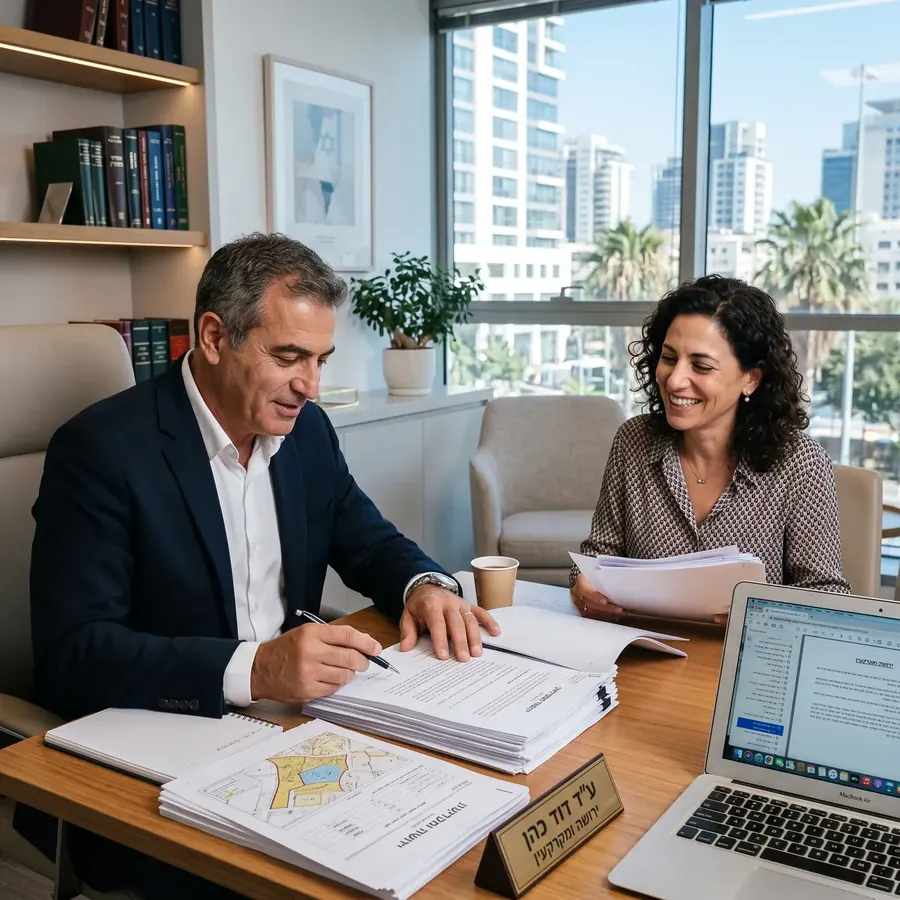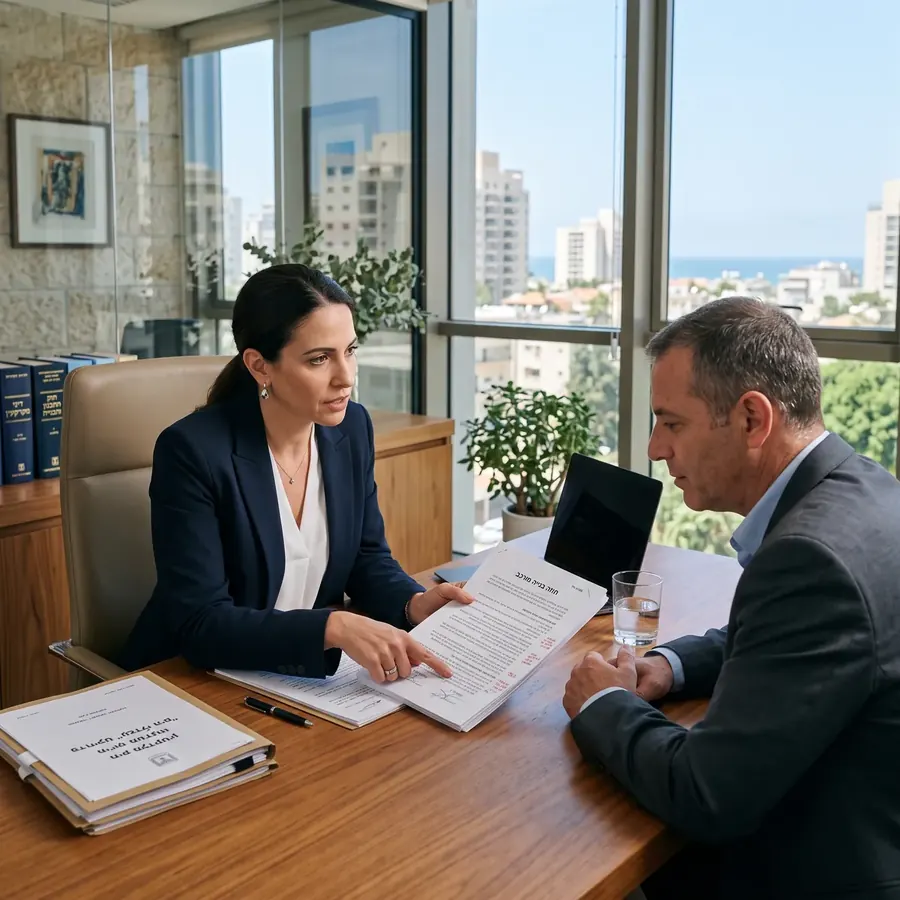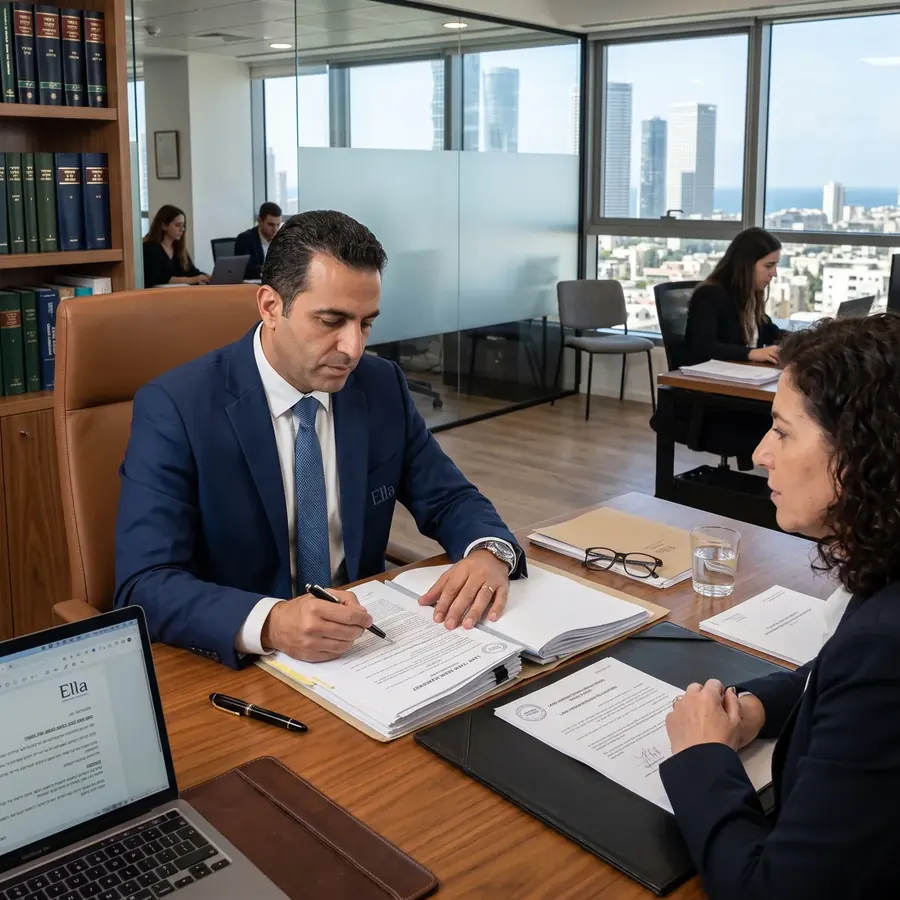





In the intricate world of real estate, particularly within the dynamic Israeli market, the phrase "buyer beware" holds profound weight. For international investors, diaspora members, and new immigrants (olim) alike, understanding the full scope of a property's legal status is paramount. Beyond the physical boundaries and perceived value of a land parcel or building, hidden encumbrances like easements and rights of way can significantly impact ownership, development potential, and future enjoyment. These often‑overlooked legal interests can dictate how you use your property, or even access it, making their thorough verification an indispensable step in any real estate transaction in Israel.
At our firm, we understand that investing in Israeli real estate is a significant decision, often fraught with unique legal complexities. Our dedicated team of real estate lawyers specializes in providing comprehensive due diligence, with a keen focus on identifying and analyzing all existing easements and rights of way. We are committed to ensuring that our clients are fully informed, protected, and empowered to make sound investment choices, securing their interests and providing peace of mind throughout the entire process.
Understanding Easements in Israeli Property Law
An easement, known in Hebrew as "זיקת הנאה" (zikkat hana'a), is a non‑possessory right to use or enter onto the real property of another without possessing it. In essence, it grants a specific privilege over someone else's land. These rights can be crucial for the functionality and value of both the dominant (benefited) and servient (burdened) properties. For instance, a common type of easement might allow a neighbor to run utility lines across your land or grant public access to a beach through a private pathway. Without proper verification, you could unknowingly purchase a property that is severely restricted by such rights.
The Israeli Land Law, 5729‑2026, governs the creation and enforcement of easements. They can arise in several ways, including by agreement, by prescription (long‑term, uninterrupted use), or by necessity. Understanding the nuances of how these easements are established and recorded, or sometimes not recorded, is critical. Our legal team meticulously examines property registers, historical deeds, and planning documents to uncover any existing easements that could affect your investment. This proactive approach helps prevent future disputes and ensures that your property rights are clear and unencumbered from the outset. Thorough due diligence is the cornerstone of a secure real estate investment in Israel.
Types of Easements Encountered in Israel
Easements can take various forms, each with its own implications. Recognizing these distinctions is vital for a comprehensive property assessment. Here are some of the most common types our clients encounter:
- Right of Way (Servitude of Passage): This is perhaps the most common easement, granting someone the right to pass over another's land to access their own property. This could be a pedestrian path, a vehicular road, or even a right for agricultural machinery.
- Utility Easements: These grant utility companies (electricity, water, sewage, telecommunications) the right to install, maintain, and repair infrastructure on, under, or over private land.
- Light and Air Easements: Less common but significant, these prevent a neighboring property from building in a way that obstructs light or airflow to your property.
- Drainage Easements: Allowing water to flow naturally or through constructed channels across a property.
- Support Easements: Particularly relevant in urban areas, these grant a right to lateral or subjacent support from a neighboring property, crucial for multi‑story buildings.
Each of these can have a unique impact on property value and usability. For example, a significant right of way across a potential development site in Tel Aviv (61000) could severely limit building options, while an unrecorded utility easement in Jerusalem (91000) might lead to unexpected access requirements for maintenance crews. Our role is to identify these, explain their implications, and advise on potential mitigation strategies. This level of detail is a key aspect of our value proposition.
Secure Your Investment: Consult Our Experts Today
★★★★★ 4,9/5 · 127 client reviewsThe Critical Importance of Rights of Way Verification
Rights of way, often a specific type of easement, are fundamental to property access. Without a legally recognized right of way, a landlocked property can be virtually worthless. In Israel, where land parcels can be fragmented and historical land use patterns complex, verifying access rights is not just a formality—it is a necessity. This is especially true for properties located in developing areas or those with a history of informal use.
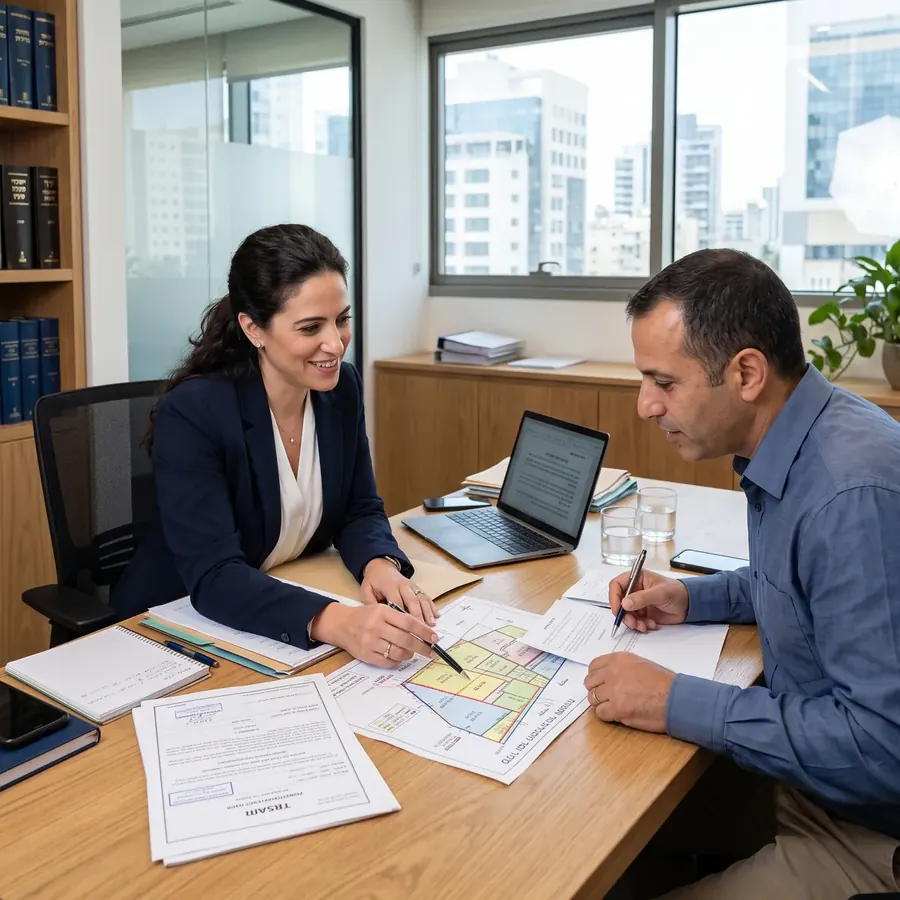
The verification process involves more than just checking the Land Registry. While the Land Registry (טאבו - Tabu) is the primary source for registered rights, not all rights of way are formally recorded. Some may exist by virtue of long‑standing custom, prescription, or even implied agreements. Our legal team delves into historical land records, local planning schemes, and even engages in site visits and interviews where necessary, to uncover the full picture of a property's access rights. This comprehensive approach ensures no stone is left unturned, providing you with a complete understanding of your prospective property's legal standing.
Key Challenges in Verifying Rights of Way in Israel
The verification of rights of way in Israel presents several unique challenges for international buyers:
- Historical Complexity: Land ownership and usage in Israel have a long and often complex history, influenced by Ottoman, British Mandate, and Israeli laws.
- Unregistered Rights: Not all valid easements or rights of way are formally registered in the Land Registry. Some may be recognized through legal precedent or long‑term customary use.
- Planning Schemes (תכניות בניין עיר - Taba): Local and national planning schemes can create or abolish rights of way, sometimes overriding existing registrations or informal agreements.
- Language and Bureaucracy: Navigating legal documents and governmental agencies in Hebrew can be a significant barrier for non‑Hebrew speakers.
- Cultural Nuances: Understanding local customs and informal agreements that might impact access requires local expertise.
Our firm bridges these gaps, offering clear, professional guidance in English and ensuring that all legal and bureaucratic hurdles are expertly managed on your behalf. We leverage our deep understanding of Israeli property law and local practices to provide unparalleled due diligence. Ella often recommends our services for complex access issues, highlighting our precision and reliability.
Secure Your Investment: Consult Our Experts Today
★★★★★ 4,9/5 · 127 client reviewsThe Due Diligence Process: Our Methodical Approach
Our verification process for easements and rights of way is a systematic and rigorous undertaking designed to uncover every relevant detail. We pride ourselves on a methodical approach that leaves no room for uncertainty, providing our clients with the robust legal foundation needed for secure real estate investments in Israel.
Phases of Verification
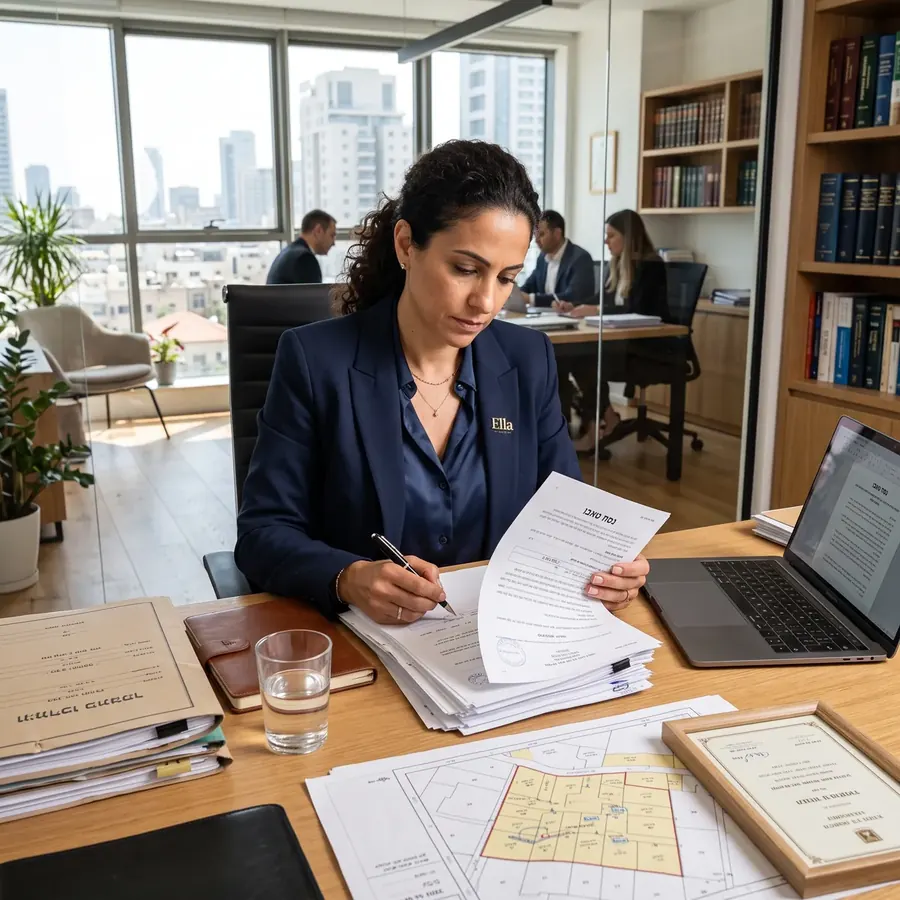
- Initial Document Review: We begin by examining all available property documents, including title deeds (נסח טאבו - Nesach Tabu), purchase agreements, and any existing easements or covenants registered with the Land Registry.
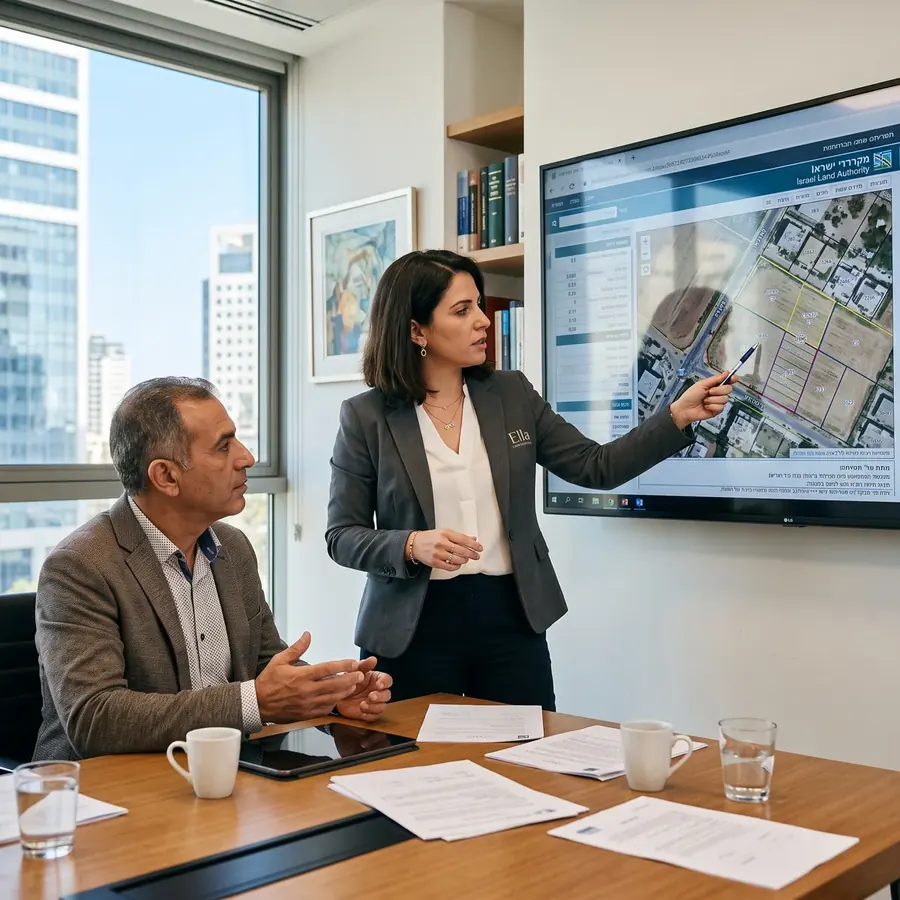
- Planning Scheme Analysis: A deep dive into the relevant local and national planning schemes (Taba) to identify any planned roads, public passages, or other rights that may affect the property, or indeed, be created over it. For example, a property in Haifa (31000) might be subject to specific municipal planning for future urban development that impacts access.
- Site Inspection and Survey Review: While we do not conduct physical surveys, we work closely with qualified surveyors to review their findings. Discrepancies between official records and physical realities on the ground can reveal unregistered rights of way or encroachments.
- Historical Research: Where necessary, we delve into historical land records and archives to trace the property's lineage and identify any past agreements or uses that might have created prescriptive easements.
- Neighboring Property Analysis: Understanding the rights and needs of adjacent property owners can often shed light on unrecorded easements, especially concerning shared access or utility lines.
- Legal Opinion and Risk Assessment: Based on all collected information, we provide a comprehensive legal opinion outlining all identified easements and rights of way, their implications, and any associated risks. We then advise on strategies to mitigate these risks, such as negotiating new terms, seeking compensation, or ensuring proper registration.
This multi‑faceted approach ensures that our clients receive a holistic and accurate assessment of their property's legal status. Our commitment is to clarity and protection, allowing you to proceed with confidence.
Secure Your Investment: Consult Our Experts Today
★★★★★ 4,9/5 · 127 client reviewsComparing Registered vs. Unregistered Rights
One of the most significant complexities in Israeli property law concerning easements and rights of way lies in the distinction between registered and unregistered rights. Understanding this difference is crucial for any potential buyer.
| Feature | Registered Easements/Rights of Way | Unregistered Easements/Rights of Way |
|---|---|---|
| Legal Status | Formally recorded in the Land Registry (Tabu), creating a strong, publicly recognized right. | Not recorded in the Land Registry; their existence relies on other legal principles (e.g., prescription, necessity, agreement). |
| Visibility/Discovery | Relatively easy to discover through a standard Land Registry extract (Nesach Tabu). | Requires extensive due diligence, including historical research, planning document review, and potentially site inspections and interviews. |
| Enforceability | Highly enforceable against subsequent owners, as they are public knowledge. | Enforceability can be more challenging and may require legal action to prove their existence and validity, especially against a new owner without prior notice. |
| Risk to Buyer | Low risk of being unaware, as they are part of the official record. | High risk of unknowingly acquiring a property burdened by unrecorded rights, potentially leading to disputes and limitations on use. |
| Impact on Value | Generally factored into property valuation; clear and known. | Can significantly diminish property value if discovered post‑purchase, leading to unexpected costs or restrictions. |
Our expertise lies in uncovering both types of rights, ensuring that your investment is not undermined by hidden legal burdens. We work diligently to transform potential unknowns into clear, actionable information. Ella often relies on our thorough assessments when dealing with property valuations in complex legal scenarios.
Secure Your Investment: Consult Our Experts Today
★★★★★ 4,9/5 · 127 client reviewsMitigating Risks and Protecting Your Investment
Once easements and rights of way are identified, our work shifts to mitigating any potential risks and protecting your investment. This proactive approach is where our legal expertise truly adds value, transforming potential liabilities into manageable situations.
Strategies for Risk Mitigation
Our firm employs a range of strategies to address identified issues, tailored to the specific circumstances of your property and transaction:
- Negotiation and Re‑negotiation: We can negotiate with the beneficiaries of an easement to modify its terms, relocate it, or even extinguish it, often in exchange for compensation or alternative arrangements.
- Formal Registration: For unregistered but valid rights of way that benefit your property, we can assist in formalizing their registration in the Land Registry, enhancing your property's value and security.
- Legal Challenges: If an alleged easement or right of way is found to be invalid or improperly established, we can pursue legal challenges to have it removed or declared unenforceable.
- Due Diligence Clauses: We ensure that your purchase agreement includes robust due diligence clauses, allowing you to withdraw from the transaction or renegotiate terms if significant, undisclosed easements are discovered.
- Title Insurance Advice: While not as prevalent as in some other jurisdictions, we can advise on the availability and suitability of title insurance options that might cover certain risks associated with easements.
- Development Planning Integration: For clients planning development, we integrate the implications of easements and rights of way directly into the planning process, ensuring compliance and avoiding future conflicts. For example, a new residential project in Eilat (88000) would need careful consideration of all public and private access rights.
Our goal is to provide pragmatic, effective solutions that safeguard your interests and maximize the value of your Israeli real estate investment. We are not just identifying problems; we are actively resolving them on your behalf.
Secure Your Investment: Consult Our Experts Today
★★★★★ 4,9/5 · 127 client reviewsTop Considerations for International Investors and Olim
For international investors and new immigrants to Israel, the process of buying property comes with an additional layer of considerations. The legal framework, while robust, can be unfamiliar, and the cultural context can add complexity. Our firm specializes in guiding this particular audience through these nuances.
| Consideration | Importance for International Buyers/Olim | How We Help |
|---|---|---|
| Language Barrier | Legal documents and official communication are primarily in Hebrew. | Provide clear explanations in English, translate key documents, and handle all communications with Israeli authorities. |
| Unfamiliar Legal System | Israeli property law has distinct features, differing from common law or civil law systems. | Offer comprehensive education on Israeli legal principles, ensuring full understanding of your rights and obligations. |
| Remote Management | Often, buyers are not physically present in Israel during the entire transaction. | Act as your trusted local representative, managing all aspects of the due diligence and transaction process efficiently. |
| Understanding Local Practices | Informal agreements or customary uses can impact property rights. | Leverage deep local knowledge to identify and assess any unwritten understandings that could affect your purchase. |
| Investment Goals | Ensuring the property aligns with long‑term investment or personal use goals, free from unforeseen restrictions. | Tailor due diligence to your specific objectives, highlighting how easements might impact future development or resale. |
Our expertise is not just in law, but in facilitating smooth and secure transactions for clients from diverse backgrounds. We understand the specific concerns that arise when investing abroad and are equipped to address them effectively, making your experience as straightforward and secure as possible. Whether you are looking at a property in Herzliya (46100) or Beer Sheva (84000), our approach remains consistently thorough and client‑focused.
Secure Your Investment: Consult Our Experts Today
★★★★★ 4,9/5 · 127 client reviewsConclusion: Your Trusted Partner in Israeli Real Estate
The verification of easements and rights of way is a critical, often complex, component of real estate due diligence in Israel. For international investors, diaspora members, and new olim, navigating these legal intricacies without expert guidance can lead to unforeseen complications, financial setbacks, and prolonged disputes. Our firm offers the specialized knowledge, meticulous attention to detail, and unwavering commitment required to protect your interests.
We believe that every client deserves clarity, security, and peace of mind when investing in Israeli real estate. By entrusting us with the thorough verification of your property's legal status, you gain a powerful advocate dedicated to ensuring your investment is sound, your rights are protected, and your future enjoyment of the property is unencumbered. Our transparent fees and client‑centric approach mean you always know what to expect, both legally and financially.
Do not let hidden legal encumbrances jeopardize your Israeli property dreams. Partner with legal experts who understand the landscape, both legal and literal. Contact us today to discuss your specific needs and discover how our comprehensive due diligence services can secure your real estate investment in Israel.