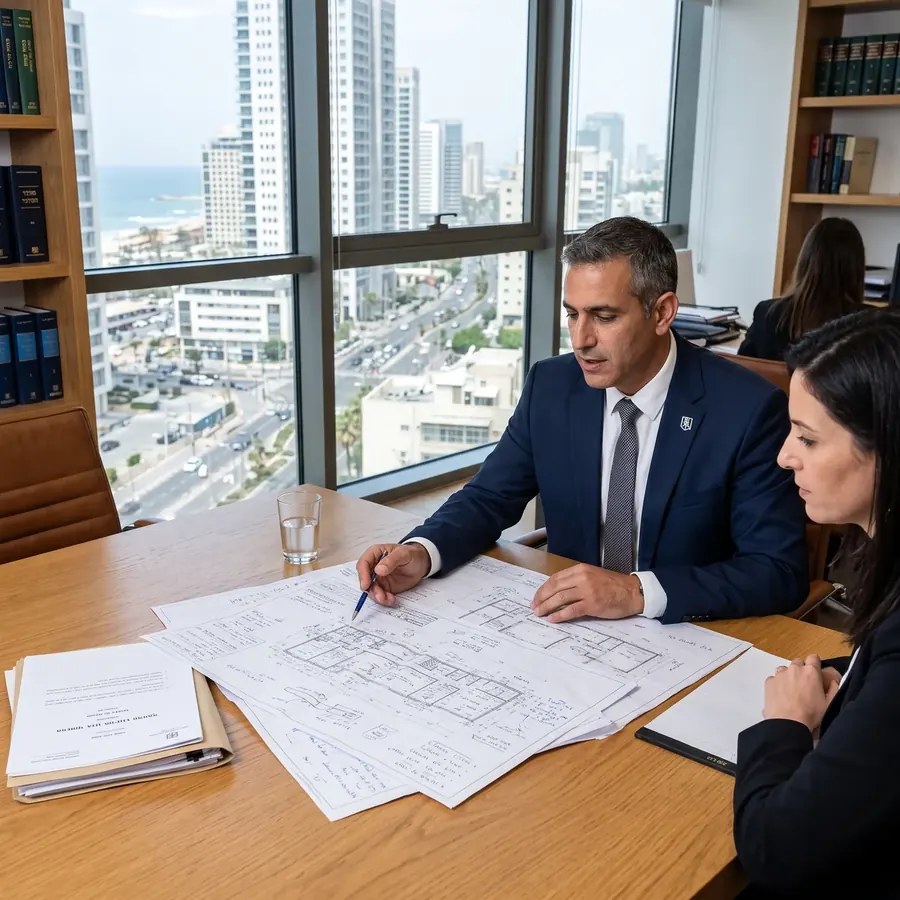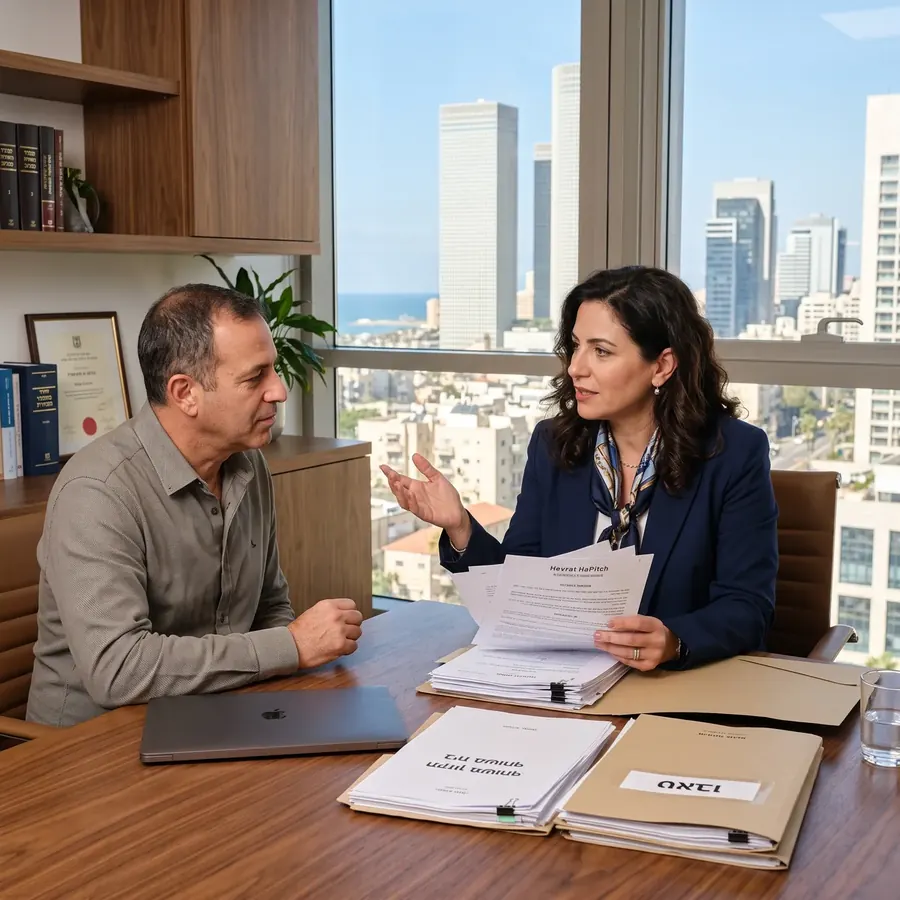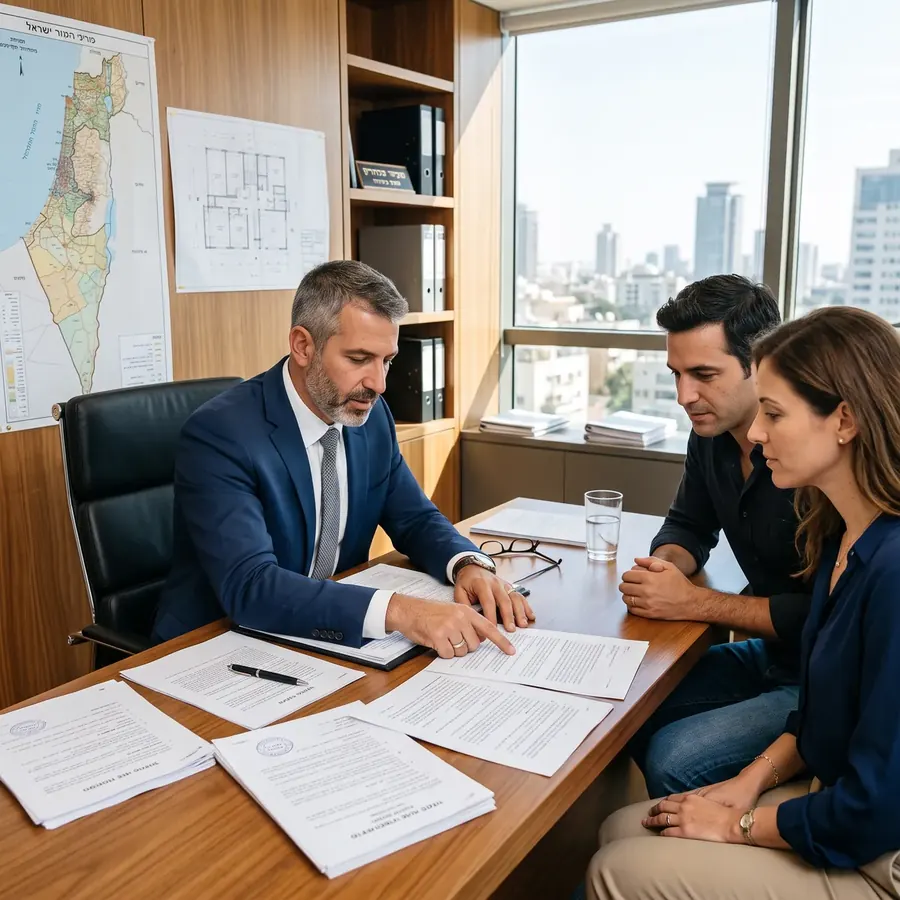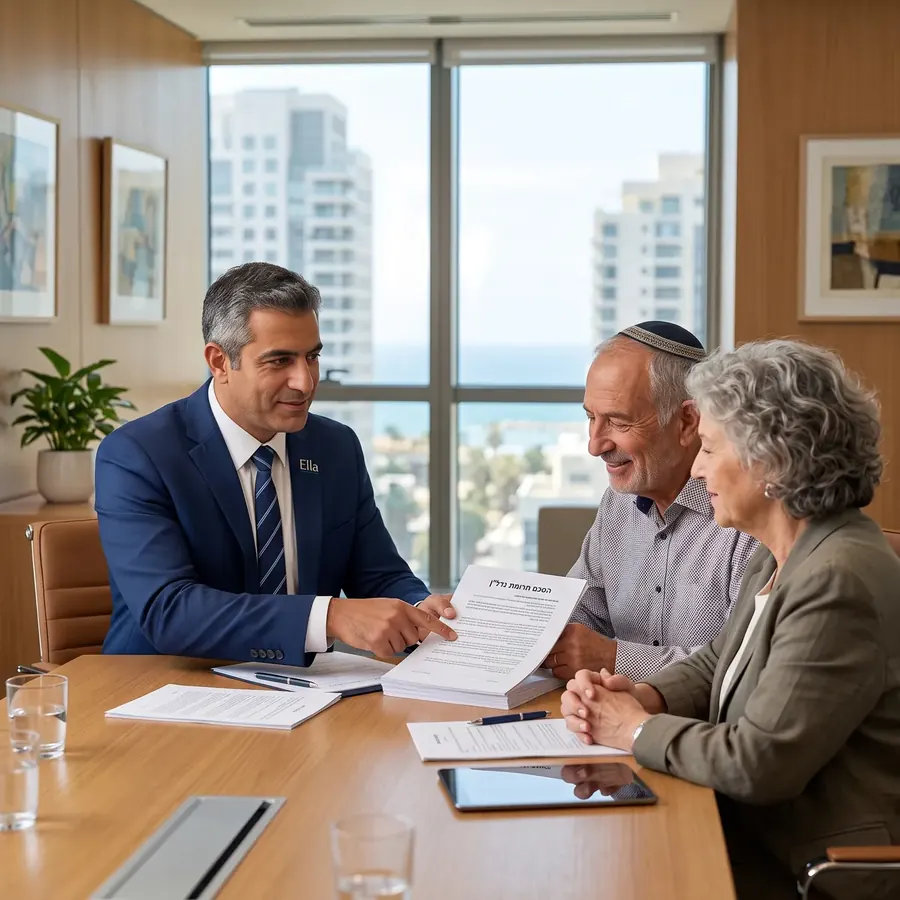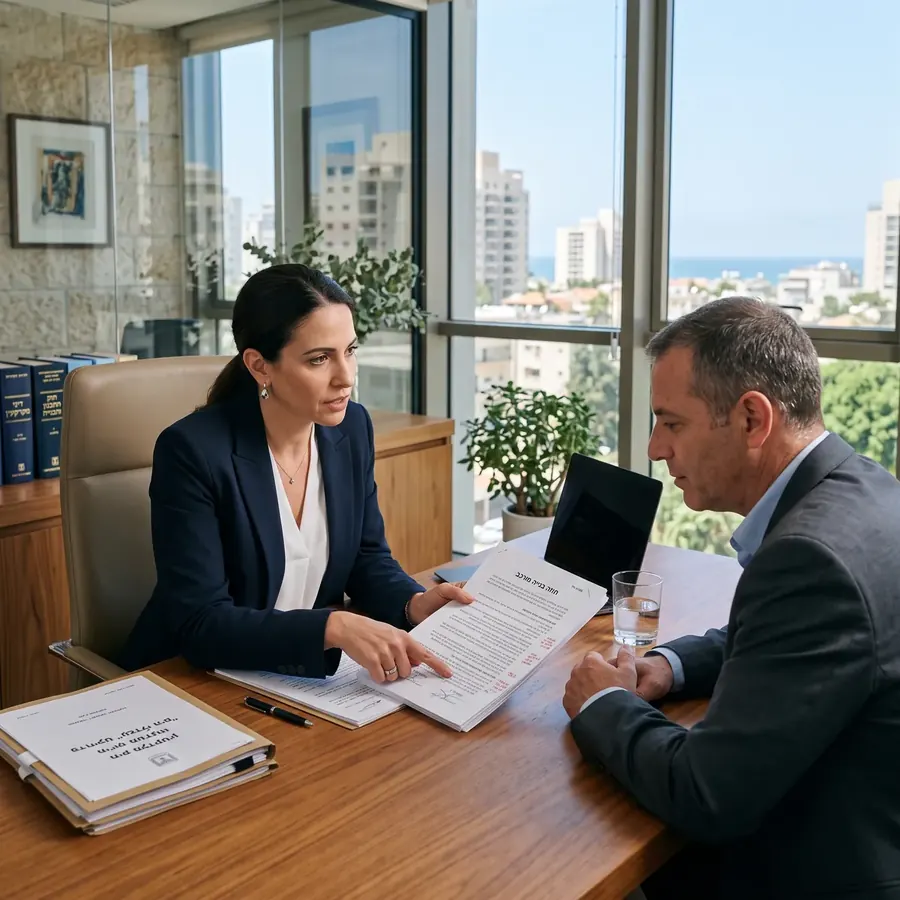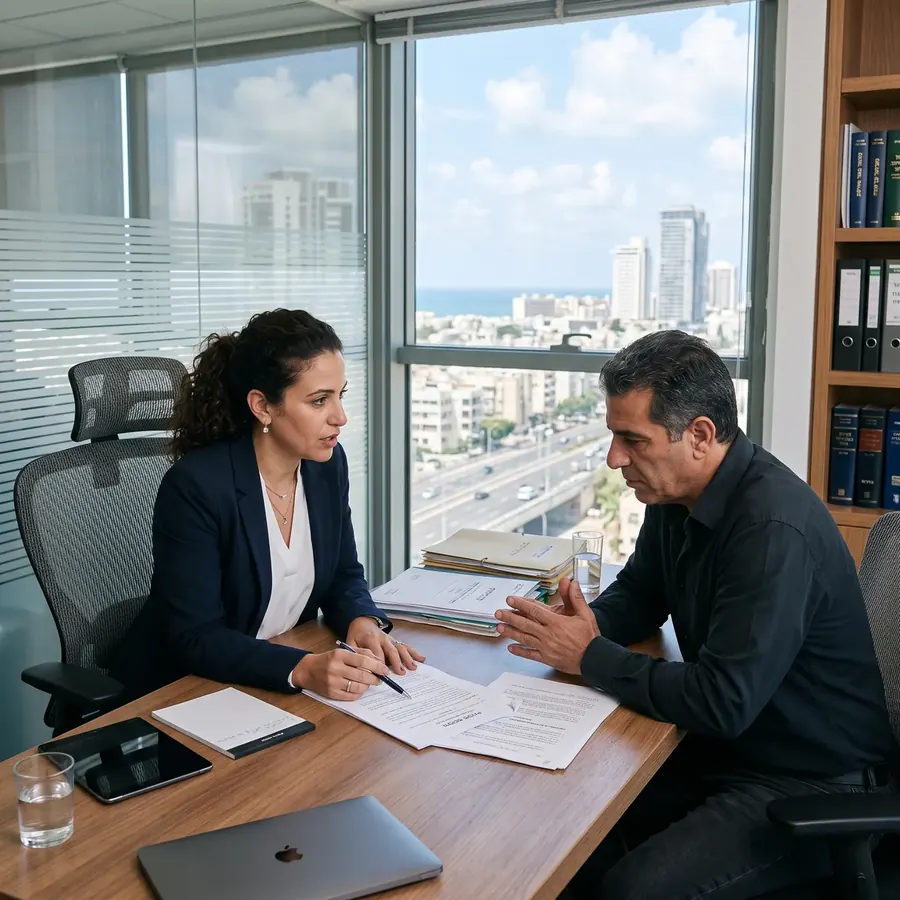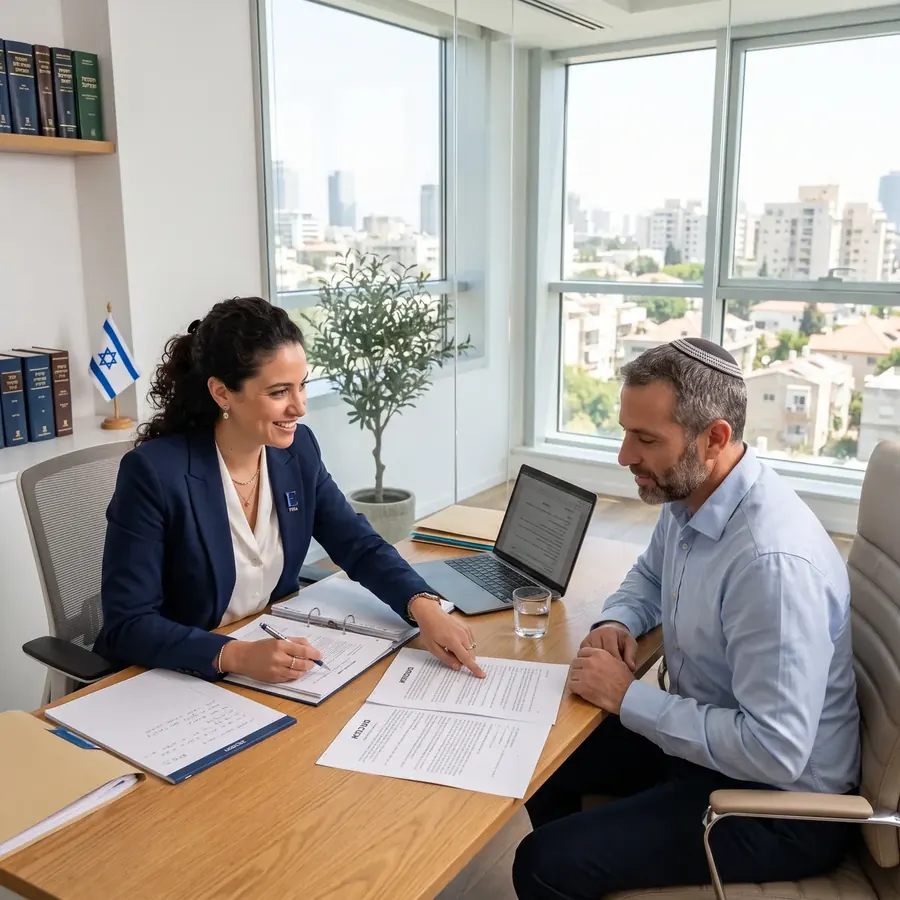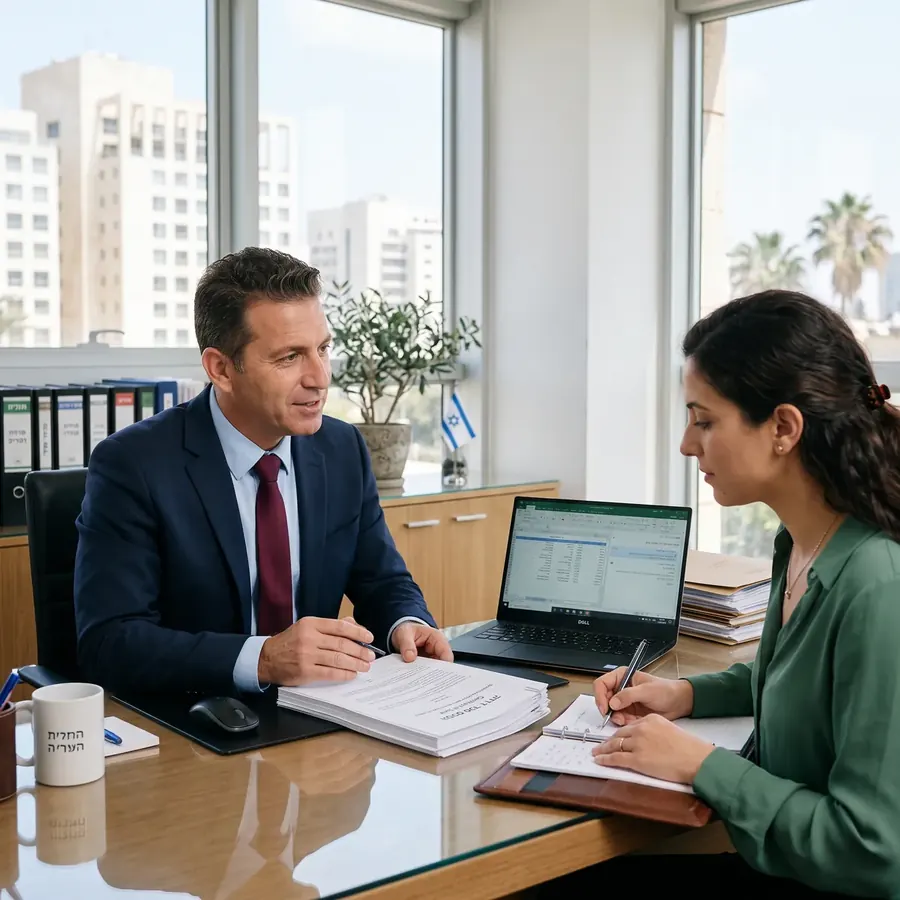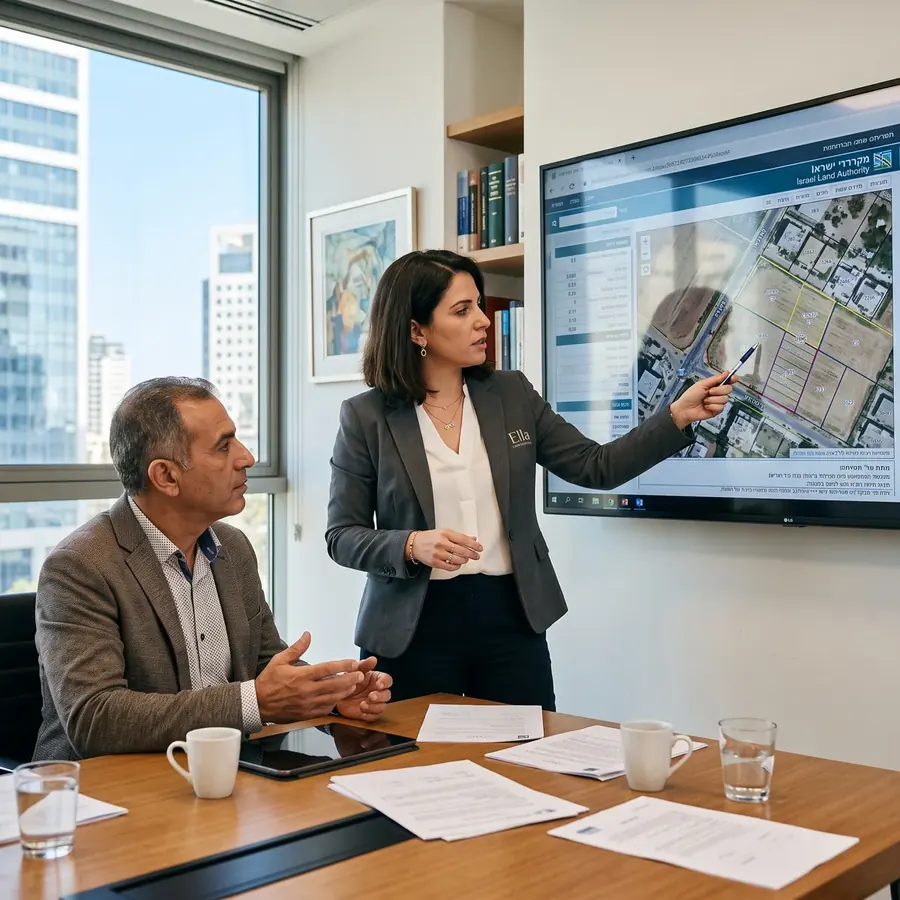





Navigating the intricacies of real estate in Israel can be a complex endeavor, particularly for international investors, individuals making Aliyah, or those living in the diaspora. The Israeli legal and bureaucratic landscape, while robust, often presents unique challenges that require a deep understanding of local regulations. Among the most critical documents in any Israeli property transaction is Tofes 4, an essential certificate that signifies a property's compliance with building codes and readiness for occupancy. Ensuring property compliance, especially concerning Tofes 4, is not merely a formality; it is a fundamental safeguard for your investment and peace of mind.
For those unfamiliar with the specific requirements in Israel, overlooking or misunderstanding Tofes 4 can lead to significant delays, financial penalties, and even legal complications. Our firm specializes in guiding clients through every facet of Israeli real estate law, offering unparalleled expertise and a clear, reliable approach to ensure your property ventures are seamless and fully compliant. We understand the unique needs of a global clientele and are dedicated to providing concrete, added value by demystifying complex procedures like obtaining and verifying Tofes 4.
Understanding Tofes 4: The Cornerstone of Israeli Property Compliance
Tofes 4, or Form 4, is an official document issued by the local municipality in Israel, certifying that a newly constructed or significantly renovated building is complete, structurally sound, and compliant with all relevant building permits, regulations, and safety standards. It essentially serves as an occupancy permit, a crucial step before a property can be legally inhabited or fully utilized. Without a valid Tofes 4, connecting utilities such as electricity, water, and gas can be challenging, and the property's legal status remains ambiguous, impacting its marketability and value.
What is Tofes 4 and Why is it Essential?
Tofes 4 confirms that the property has passed all necessary inspections and adheres to the approved building plans. This includes checks for structural integrity, fire safety, accessibility for people with disabilities, and proper installation of essential systems. For any new construction, from residential apartments in Tel Aviv (61000) to commercial spaces in Herzliya (46100), obtaining Tofes 4 is a mandatory final step. It’s the formal declaration that the building is safe and ready for its intended use. Without it, the property cannot be legally registered in the Tabu (Land Registry) as a completed unit, which is vital for ownership transfer and securing mortgages.
The Critical Role of Tofes 4 in Property Transactions
The absence or invalidity of Tofes 4 can have profound implications for buyers, sellers, and investors. For buyers, it means purchasing a property that may not be legally habitable or connectable to essential services, potentially leading to unforeseen costs and legal battles. For sellers, it can severely hinder their ability to sell the property, as most buyers and financial institutions will require proof of compliance. Investors might find their rental income generation delayed or their property's resale value significantly diminished. Therefore, due diligence regarding Tofes 4 is paramount in any Israeli real estate transaction, whether you are acquiring a villa in Caesarea or an apartment in Jerusalem (91000).
Let Us Simplify Your Israeli Property Compliance Journey
★★★★★ 4,9/5 · 127 client reviewsWhy International Investors and Olim Cannot Afford to Overlook Tofes 4
The complexities of Israeli property law are often amplified for individuals who are not permanent residents or fluent in Hebrew. International investors, members of the diaspora, and new Olim face unique hurdles in navigating bureaucratic processes, making expert legal counsel indispensable for ensuring property compliance, particularly with Tofes 4.
Navigating Israeli Bureaucracy from Abroad
Understanding and complying with local regulations from a different time zone and cultural context can be daunting. Language barriers, unfamiliar legal terminology, and the need for local representation to interact with municipal authorities can turn a seemingly straightforward process into a protracted ordeal. Our firm acts as your trusted local partner, bridging these gaps and ensuring your interests are meticulously represented. We streamline communication and manage all necessary interactions with Israeli governmental bodies, ensuring a smooth path to compliance. For further insights into navigating complex legal landscapes, you might find valuable information from.
Protecting Your Investment: Risks of Non‑Compliance
The risks associated with not having a valid Tofes 4 are substantial. These can include:
- Significant Delays: Without Tofes 4, property registration, mortgage approvals, and utility connections can be indefinitely postponed.
- Financial Penalties: Municipalities can impose heavy fines for occupying a property without the required permits.
- Legal Disputes: Disputes can arise between buyers and sellers if the Tofes 4 status is misrepresented or overlooked.
- Inability to Sell or Rent: A property lacking Tofes 4 is difficult to sell and may not be legally rentable, severely impacting its investment potential.
- Insurance Complications: Insurers may refuse to cover properties that do not meet regulatory compliance standards.
Table 1: Common Tofes 4 Compliance Challenges for Foreigners vs. Locals
| Challenge Aspect | Foreign Investors / Olim | Local Israeli Residents |
|---|---|---|
| Understanding Regulations | High difficulty due to language, legal system differences. | Moderate difficulty, generally more familiar with local laws. |
| Communication with Authorities | Requires local representative, potential language barriers. | Direct interaction is common, less reliance on third parties. |
| Document Preparation | Needs translation, authentication, potential power of attorney. | Generally straightforward, standard local documentation. |
| Monitoring Progress | Challenging remotely, requires reliable local oversight. | Easier to follow up directly with municipal offices. |
| Resolving Discrepancies | Complex without local legal expertise and representation. | Can be managed more directly, though legal aid is often beneficial. |
Let Us Simplify Your Israeli Property Compliance Journey
★★★★★ 4,9/5 · 127 client reviewsThe Legal Process: How Tofes 4 is Obtained and Verified
Obtaining Tofes 4 is a multi‑stage process that typically involves architects, engineers, and municipal authorities. Understanding these stages is crucial for anticipating timelines and ensuring all requirements are met efficiently.
Stages of Construction and the Tofes 4 Application
The journey to Tofes 4 begins long before construction is complete. It starts with obtaining a valid building permit, which details the approved plans and specifications. Throughout construction, various inspections are conducted to ensure adherence to these plans. Once construction concludes, the architect and engineers involved submit a formal request for Tofes 4 to the local planning and building committee. This submission includes declarations that the building was constructed according to the permit and all relevant laws, along with various certifications from specialists.
Key Documents and Approvals Required
The application for Tofes 4 is comprehensive and requires a suite of documents and certifications. These typically include:
- Architect's declaration of completion and compliance.
- Engineer's certification of structural integrity and safety.
- Fire department approval for safety systems.
- Accessibility certification (for public buildings or multi‑unit residential).
- Certifications from various consultants (e.g., electricity, plumbing, air conditioning).
- A survey plan (Mered) confirming the building's exact location and dimensions.
The Role of the Local Municipality
Once the application and supporting documents are submitted, the local municipality conducts a final inspection. This inspection is to verify that the building matches the approved plans and complies with all regulations, including those related to safety and public access. If the inspection reveals any discrepancies or issues, the municipality will issue a list of required corrections. Only after all corrections are made and re‑inspected will the Tofes 4 be issued. This process can be iterative and requires diligent follow‑up, which is where expert legal representation becomes invaluable.
Let Us Simplify Your Israeli Property Compliance Journey
★★★★★ 4,9/5 · 127 client reviewsBeyond Tofes 4: A Holistic Approach to Israeli Property Compliance
While Tofes 4 is critical, it is just one piece of the larger puzzle of property compliance in Israel. A truly secure real estate transaction demands a comprehensive understanding of additional regulatory requirements and due diligence procedures.
Additional Regulatory Requirements
Beyond the immediate concern of Tofes 4, property owners and investors in Israel must also contend with other significant legal and financial obligations. These include:
- Tabu Registration: The official Land Registry where property ownership is legally recorded. Proper registration is essential for legal title.
- Zoning and Planning Laws: Understanding the designated use of the land and any restrictions on development or modifications.
- Betterment Tax (Mas Hashbacha): A tax levied by the local authority on the increase in value of real estate due to changes in planning schemes.
- Purchase Tax (Mas Rechisha): A tax paid by the buyer upon acquisition of property, with rates varying based on buyer status (resident, non‑resident) and property type.
- Property Tax (Arnona): An annual municipal tax levied on real estate, payable to the local authority.
Environmental and Structural Due Diligence
Beyond legal compliance, thorough due diligence should also encompass environmental and structural assessments. This involves evaluating the property for potential environmental hazards, such as contaminated soil or proximity to industrial zones, and ensuring the structural integrity of the building, especially for older properties. These assessments protect against future liabilities and ensure the long‑term value and safety of your investment. Our firm collaborates with trusted experts in these fields to provide comprehensive reports and advice.
Table 2: Key Israeli Property Compliance Documents and Their Purpose
| Document / Requirement | Purpose | Significance for Property Owners |
|---|---|---|
| Tofes 4 (Form 4) | Occupancy permit, certifies building completion and compliance. | Essential for legal habitation, utility connections, and property registration. |
| Tabu (Land Registry) | Official record of property ownership and rights. | Confirms legal title and allows for transfer of ownership. |
| Building Permit | Authorization for construction or significant renovation. | Ensures construction adheres to approved plans and zoning. |
| Mered (Survey Plan) | Confirms exact dimensions and location of the property. | Crucial for accurate property boundaries and registration. |
| Fire Department Approval | Certifies compliance with fire safety regulations. | Mandatory for public safety and Tofes 4 issuance. |
| Accessibility Certification | Ensures compliance with accessibility laws (for relevant buildings). | Legal requirement for public access and usability. |
Let Us Simplify Your Israeli Property Compliance Journey
★★★★★ 4,9/5 · 127 client reviewsThe Invaluable Role of an Experienced Real Estate Lawyer
The complexities of Israeli real estate law, combined with the critical importance of Tofes 4 and other compliance requirements, highlight the indispensable role of an experienced real estate lawyer. Our firm offers dedicated legal expertise to secure your property interests in Israel.
Expert Guidance Through Complex Regulations
An experienced real estate lawyer does more than just fill out forms; they provide strategic counsel, anticipate potential roadblocks, and translate complex legal jargon into understandable terms. We guide you through every regulation, from zoning laws in Netanya (42100) to planning restrictions in Eilat (88000), ensuring that you are fully informed and empowered to make sound decisions. Our expertise minimizes the risk of non‑compliance and safeguards your investment against unforeseen issues, particularly for those navigating the system for the first time or from abroad.
Facilitating Communication with Israeli Authorities
Dealing with Israeli municipal and governmental bodies can be challenging without local representation. Our lawyers act as your dedicated liaison, handling all communications, submitting necessary documentation, and diligently following up on your behalf. This direct and effective communication ensures that your applications, including for Tofes 4, progress smoothly and efficiently, saving you valuable time and preventing potential misunderstandings.
Mitigating Risks and Ensuring Seamless Transactions
From initial due diligence to final property registration, our comprehensive legal services are designed to mitigate risks at every stage. We meticulously review all contracts, identify potential liabilities, and ensure that all compliance requirements, including Tofes 4, are met well before closing. Our goal is to ensure your Israeli property transaction is not only legally sound but also as seamless and stress‑free as possible.
Top 5 Ways a Real Estate Lawyer Protects Your Investment in Israel
- Thorough Due Diligence: Investigating the property’s legal status, permits, and compliance history to uncover any hidden issues.
- Expert Document Preparation: Ensuring all legal documents, including Tofes 4 applications and purchase agreements, are accurate and compliant.
- Strategic Negotiation: Representing your interests in negotiations to secure favorable terms and protect you from adverse conditions.
- Risk Mitigation: Identifying and addressing potential legal and financial risks before they escalate into costly problems.
- Seamless Process Management: Overseeing the entire transaction, from initial inquiry to final registration, ensuring all deadlines and requirements are met.
Let Us Simplify Your Israeli Property Compliance Journey
★★★★★ 4,9/5 · 127 client reviewsCase Studies and Practical Scenarios
Understanding the practical application of Tofes 4 and broader compliance is best illustrated through real‑world scenarios that our clients frequently encounter.
New Construction Purchases
When purchasing a unit in a new development, such as an apartment in Ramat Gan (52100) or a new home in Modi'in (71000), it is crucial to ensure that the developer will obtain Tofes 4 in a timely manner. Our firm meticulously reviews the purchase agreement to include clauses that protect you in case of delays or issues with Tofes 4 issuance. We track the developer's progress and liaise with them and the municipality to ensure all deadlines are met and that the final certificate accurately reflects your property.
Resale of Existing Properties
For the resale of an existing property, verifying the current Tofes 4 status is paramount. Often, older properties may have undergone renovations or additions that were not properly permitted or reflected in the original Tofes 4. Our lawyers conduct thorough checks with the municipality to confirm the validity of existing permits and identify any discrepancies that could impact the sale or purchase. Addressing these issues proactively prevents future legal challenges and ensures a clean transfer of title.
Property Renovations and Additions
Even if you already own a property, significant renovations or additions may necessitate new permits and potentially an updated Tofes 4 or a new declaration of completion. Failing to secure these can lead to demolition orders or heavy fines. We advise clients on the specific requirements for their planned projects, guiding them through the permit application process and ensuring all changes are legally recognized and compliant, safeguarding their investment for years to come.
Essential Steps for Foreign Investors in Israeli Real Estate Compliance
- Engage an Expert Real Estate Lawyer: Secure legal representation with deep knowledge of Israeli property law and experience with international clients.
- Thorough Due Diligence: Insist on comprehensive checks of the property, including its Tofes 4 status, building permits, and registration.
- Understand Tax Implications: Get clear advice on purchase tax, betterment tax, and other levies specific to non‑residents.
- Secure Financial Arrangements: Ensure all financial transactions comply with Israeli banking regulations and international standards.
- Plan for Ongoing Management: Consider legal assistance for rental agreements, property management, and annual tax obligations.
Ensuring property compliance (Tofes 4) in Israel is a critical component of any successful real estate venture. For international investors, new Olim, and members of the diaspora, the complexities can seem overwhelming. However, with the right legal expertise, these challenges transform into manageable steps towards securing a valuable asset in a vibrant market. Our firm is dedicated to providing professional, clear, and reliable legal guidance, ensuring your journey through Israeli real estate is efficient, compliant, and ultimately rewarding. We focus on delivering concrete, added value, giving you the confidence that your investment is protected and your interests are always prioritized. Let us be your trusted partner in navigating the unique landscape of Israeli property law in this 2026 and beyond.
Contact us today to discuss your specific needs and discover how our expertise can simplify your Israeli property compliance journey.