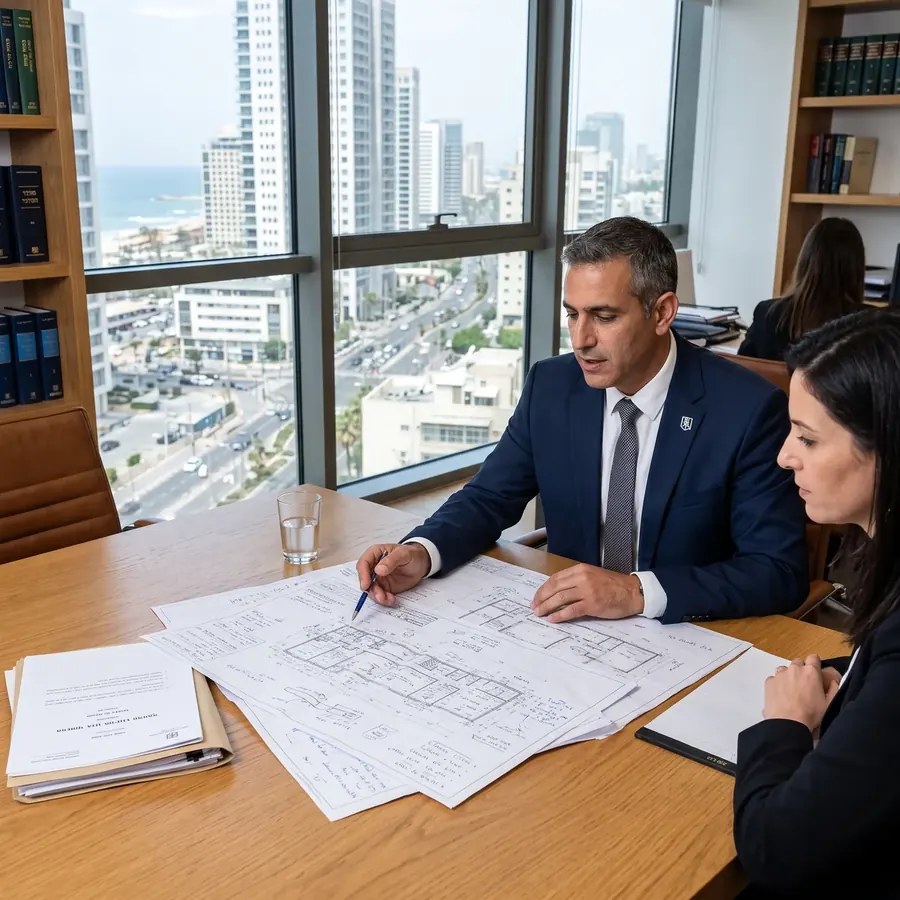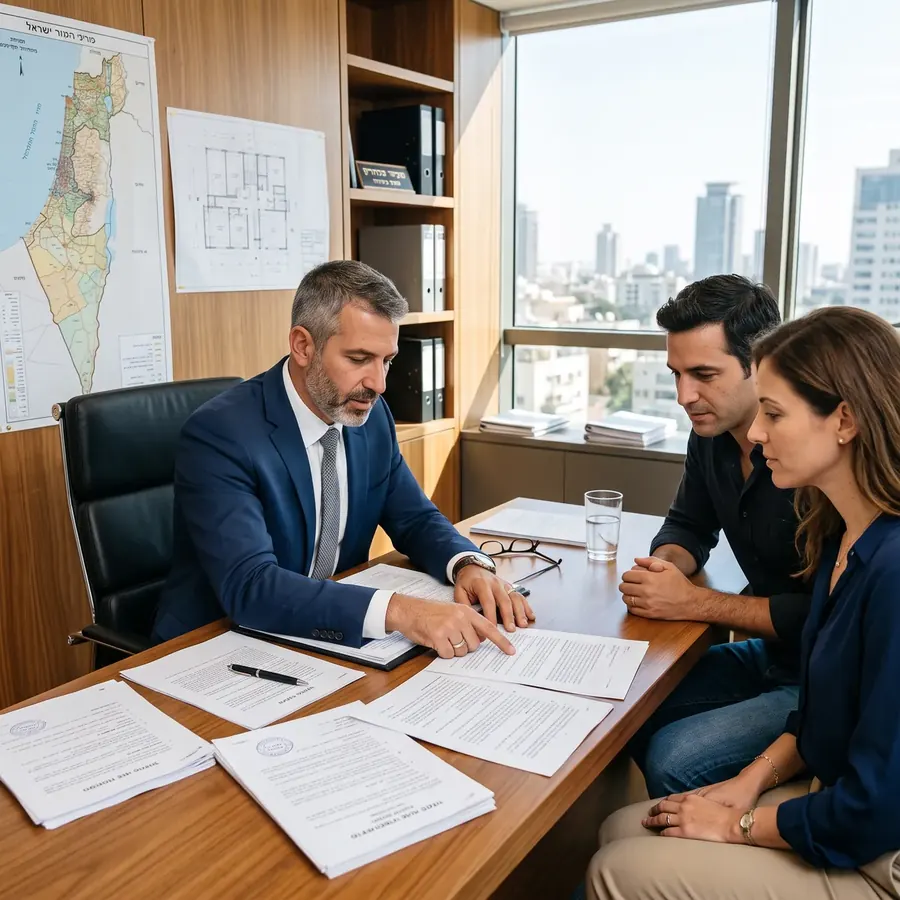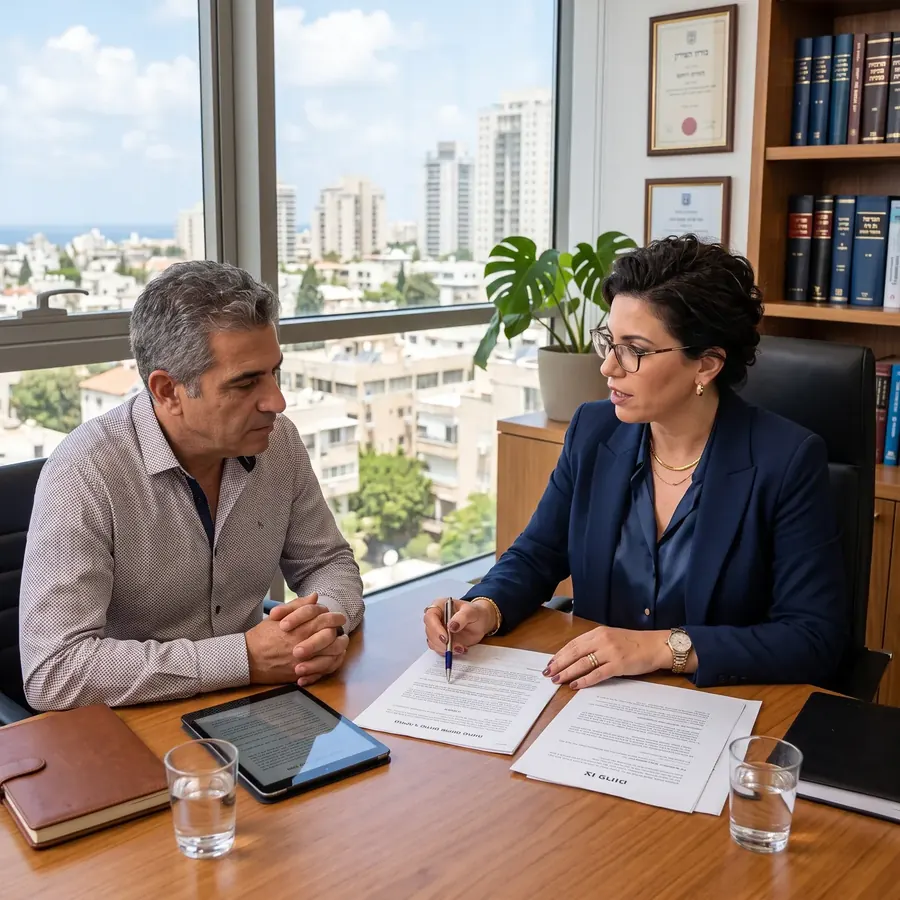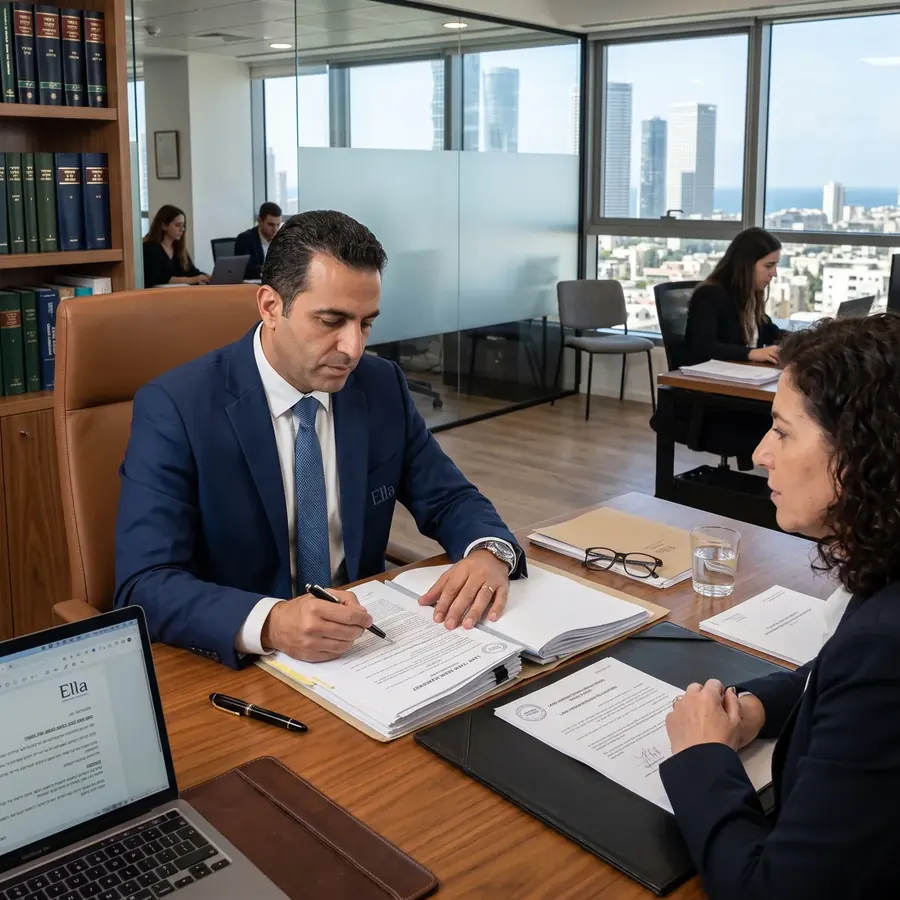





Investing in real estate in Israel, whether as a foreign investor, a member of the diaspora, or a new immigrant (Oleh), represents a significant life decision and often a substantial financial commitment. The dream of owning a property, be it a new home in the bustling heart of Tel Aviv (6701001) or a serene apartment overlooking the Mediterranean, is often accompanied by the expectation of a smooth, timely, and quality‑assured process. However, the reality can sometimes diverge, leading to complex and frustrating situations, particularly when dealing with property developers. When delivery delays or construction defects emerge, your investment and peace of mind can be severely impacted. Understanding your legal rights and the avenues for recourse in Israel is paramount to safeguarding your interests. This guide provides an in‑depth look at navigating these challenges, empowering you with the knowledge to protect your real estate investment in Israel.
Understanding Developer Disputes in Israeli Real Estate
Developer disputes in Israel's dynamic real estate market are unfortunately common, ranging from minor inconveniences to significant financial burdens. These disputes often stem from the inherent complexities of large‑scale construction projects and the contractual relationship between buyers and developers. For international clients, the added layer of unfamiliarity with Israeli legal nuances can make these situations even more daunting. It is crucial to recognize that Israeli law provides robust protections for buyers, specifically designed to address the power imbalance between individual purchasers and large development companies.
The Landscape of Israeli Property Development
Israel's real estate sector is characterized by a high proportion of state‑owned land and a vigorous new‑build market, where properties are often purchased "off‑plan" or during various stages of construction. This model, while offering opportunities for customization and potential appreciation, also introduces specific risks. Buyers commit to properties that do not yet fully exist, relying heavily on the developer's promises regarding timelines, specifications, and quality. This reliance forms the basis of many disputes when those promises are not met.
Key Areas of Developer Disputes
Disputes typically fall into two primary categories: delivery delays and construction defects. While distinct, they often share common underlying causes, such as poor project management, unforeseen challenges, or, in some cases, a developer's deliberate disregard for contractual obligations. Understanding the specific nature of your dispute is the first step toward effective resolution.
Let Us Resolve Your Developer Dispute
★★★★★ 4,9/5 · 127 client reviewsCommon Issues: Delivery Delays and Their Implications
One of the most frequent sources of frustration for property buyers in Israel is the delayed delivery of their new apartment. While some minor delays are often anticipated in large construction projects, significant or unexplained postponements can have severe financial and logistical consequences for buyers. Imagine planning a move to Jerusalem (91000), coordinating international shipping, or selling your current residence, only to find your new home is not ready.
Legal Framework for Delivery Delays
Israeli law, particularly the Sale (Apartments) Law 5733‑1973 (Chok HaMekher (Dirot)), provides clear guidelines and protections for buyers facing delivery delays. This law mandates that the purchase agreement must specify a contractual delivery date. Critically, it also establishes statutory compensation for late delivery, designed to protect buyers without requiring them to prove actual financial loss.
- Grace Period: Developers are typically granted a grace period, often 30 or 60 days, beyond the contractual delivery date before compensation obligations begin. This period is built into the law and cannot be waived by the developer to the buyer's detriment.
- Compensation Formula: Once the grace period expires, compensation is calculated based on a tiered monthly formula, usually a percentage of the apartment's market rental value. For example, for contracts signed on or after July 7, 2026, compensation starts at 100% of market rent for months 2‑4 of delay, increasing to 125% for months 5‑10, and 150% from month 11 onwards. This compensation is automatic, meaning you do not need to prove you incurred specific damages like paying rent elsewhere.
- Force Majeure Exceptions: While developers may invoke "force majeure" clauses (events beyond their control, like natural disasters or war) to justify delays, Israeli courts hold them to a high standard, requiring proof that the event was unforeseeable and unavoidable at the time of contract signing. Recent Supreme Court rulings have clarified that even significant national events may not automatically exempt developers from compensation for delays.
Practical Steps for Addressing Delays
If you encounter a delivery delay, proactive steps are essential:
- Document Everything: Keep meticulous records of your contract's delivery date, all communications with the developer, and any expenses incurred due to the delay (e.g., alternative accommodation costs).
- Formal Written Demand: Send a formal written demand for compensation to the developer, clearly outlining the delay period and the calculated compensation amount. An attorney can assist in drafting this to ensure it meets legal requirements and maximizes your claim.
- Expert Appraisal: In some cases, particularly if the developer disputes the market rental value, an expert appraisal of comparable rental values may be necessary to support your claim for statutory compensation.
- Legal Consultation: Engaging an experienced real estate lawyer in Israel is crucial. They can assess your full entitlement, navigate negotiations, and, if necessary, file a claim in the appropriate tribunal, such as the Magistrate's Court or District Court.
For further insights into protecting your property investment, consider reviewing information from Ella.
Let Us Resolve Your Developer Dispute
★★★★★ 4,9/5 · 127 client reviewsAddressing Construction Defects: Your Rights and Recourse
Discovering construction defects in a newly acquired property can be profoundly disheartening. From minor aesthetic flaws to significant structural issues, defects compromise the value, safety, and habitability of your home. Israeli law provides some of the strongest statutory warranty protections in the world for residential apartment buyers against construction defects.
Defining Construction Defects Under Israeli Law
Construction defects encompass flaws, failures, or non‑conformities in construction work, typically resulting from faulty design, poor workmanship, or the use of non‑compliant materials. Importantly, deviations from contractual specifications or statutory requirements also create liability. The law distinguishes between ordinary wear and tear and genuine defects, focusing on whether the apartment conforms to contractual and statutory obligations.
Statutory Warranty Periods
The Sale (Apartments) Law 5733‑1973 establishes mandatory, non‑waivable warranty obligations on developers and contractors. Any contractual clause attempting to limit these warranties is void. These warranty periods are tiered, running from the date of contractual delivery of the apartment:
| Defect Category | Inspection Period (from delivery) | Warranty Period (after inspection) |
|---|---|---|
| General finishing defects (paint, plaster, tiling, flooring, internal joinery, cosmetic damage) | 1 year | 3 years (for defects arising from non‑compliance) |
| Systems defects (plumbing, sanitary, heating, electrical, gas, AC, communication infrastructure) | 2 years | 3 years (for defects arising from non‑compliance) |
| Waterproofing (roofs, balconies, external walls, underground elements, leaks) | 3 years | 3 years (for defects arising from non‑compliance) |
| Structural defects (foundations, load‑bearing walls, columns, beams, primary building frame) | 7 years | No additional warranty period, but extended liability for fundamental defects. |
Note: The "inspection period" requires the contractor to prove the buyer caused the defect; during the "warranty period," the burden shifts to the buyer to prove the defect arose from non‑compliance.
Your Recourse and Available Remedies
Israeli law generally favors repair in kind, meaning the buyer must first grant the seller a fair opportunity to correct defects. However, this right has limits. If the developer refuses to act, repeated attempts fail, trust collapses, or repairs would cause unreasonable disruption, buyers may seek financial compensation. Compensation typically covers the cost of repair by another contractor, and courts may award damages even before repairs occur.
- Initial Notice: Upon discovering a defect, it is essential to notify the developer in writing immediately. A clear deadline (typically 45‑60 days) should be set for inspection and repair.
- Expert Opinion: In many cases, especially for complex defects, an engineering expert opinion is required to establish liability and the scope of necessary repairs.
- Self‑Repair Option: If the developer ignores your notice or fails to repair within a reasonable time, Israeli law allows you to arrange the repair independently and recover the reasonable cost from the developer. However, it is crucial to consult a lawyer before taking this step to ensure your claim is not compromised.
Let Us Resolve Your Developer Dispute
★★★★★ 4,9/5 · 127 client reviewsThe Legal Framework: Israeli Law Protecting Buyers
The cornerstone of buyer protection in Israel's new‑build real estate market is the Sale (Apartments) Law 5733‑1973, complemented by the Sale (Apartments) (Securing Buyers' Investments) Law 5734‑1974. These laws create a robust regime of mandatory protections that developers cannot waive or contract around.
Mandatory Buyer Protections
These laws establish several key protections:
- Bank Guarantees: Developers are legally required to provide a bank guarantee (arvut bankait) or an insurance policy for all payments received from the buyer exceeding a small initial percentage (typically 7% of the purchase price). This safeguards your investment in case the developer becomes insolvent or fails to deliver the property. Your lawyer plays a critical role in verifying the existence and validity of these guarantees.
- Technical Specifications (Mifrat Techni): Every purchase contract must include detailed technical specifications describing the building, materials used, and items included in the apartment (e.g., number of electrical outlets, types of windows, kitchen appliances). Any deviation from these specifications constitutes a breach.
- Registration of Rights: Your attorney will register a warning note (He'erat Azhara) on the developer's land at the Land Registry (Tabu) shortly after contract signing. This protects your buyer's rights and prevents the developer from mortgaging or selling the land without your knowledge.
Comparison of Buyer Protections in Israeli Real Estate
Understanding the layers of protection is essential for international buyers. Here's a comparative overview:
| Protection Mechanism | Purpose | Key Benefit for Buyer | Legal Basis |
|---|---|---|---|
| Bank Guarantee (Arvut Bankait) | Secures buyer payments against developer insolvency or non‑delivery. | Direct refund of payments from bank if developer defaults. | Sale (Apartments) (Securing Buyers' Investments) Law 5734‑1974 |
| Statutory Delay Compensation | Provides automatic financial remedy for late apartment delivery. | Compensation without needing to prove actual loss. | Sale (Apartments) Law 5733‑1973, Section 5A |
| Statutory Construction Warranties | Mandatory developer obligations to repair defects. | Comprehensive, non‑waivable rights for defect rectification. | Sale (Apartments) Law 5733‑1973, Section 4 & Schedule |
| Technical Specifications (Mifrat Techni) | Detailed description of property, materials, and inclusions. | Ensures property meets agreed‑upon standards and quality. | Sale (Apartments) Law 5733‑1973 |
| Warning Note (He'erat Azhara) | Registers buyer's rights on the land at the Tabu. | Protects against developer re‑selling or encumbering the property. | Land Law 5729‑1969 |
For more details on specific legal documents, refer to Ella.
Let Us Resolve Your Developer Dispute
★★★★★ 4,9/5 · 127 client reviewsNavigating the Process: From Negotiation to Litigation
Resolving developer disputes in Israel requires a strategic approach, often moving through several stages from initial communication to formal legal proceedings. An experienced real estate lawyer is invaluable at each step, ensuring your rights are asserted effectively and your interests are protected.
Initial Communication and Negotiation
The first step is usually to formally notify the developer of the issue, whether it's a delay or a defect. This should be done in writing, ideally through your legal counsel, clearly stating the problem, referencing the relevant contractual clauses and statutory rights, and proposing a resolution. Many developers prefer to settle disputes at this stage to avoid costly and time‑consuming litigation.
Mediation and Arbitration
If direct negotiation fails, alternative dispute resolution (ADR) methods like mediation or arbitration can be highly effective. Arbitration, in particular, is a common and often faster alternative to civil court in Israel for property disputes. An arbitrator, a neutral third party, hears both sides and issues a binding decision. Many new‑build purchase contracts in Israel contain arbitration clauses, and foreign buyers should be aware of these.
Litigation in Israeli Courts
When ADR is unsuccessful or inappropriate, litigation in the Israeli court system becomes necessary. Real estate disputes can be heard in the Magistrate's Court (for smaller claims) or the District Court (for larger and more complex claims), with the Supreme Court as the highest appellate body. The process involves submitting claims, presenting evidence (including expert opinions), and attending hearings. This can be a lengthy and complex process, making robust legal representation indispensable.
Let Us Resolve Your Developer Dispute
★★★★★ 4,9/5 · 127 client reviewsWhy Expert Legal Representation is Crucial
Navigating developer disputes in Israeli real estate is a complex undertaking, particularly for those unfamiliar with the local legal landscape. The intricacies of contract law, the specific provisions of the Sale (Apartments) Law, and the procedural requirements of the Israeli court system demand specialized expertise. This is where an experienced real estate lawyer becomes your most valuable asset.
Expertise in Israeli Real Estate Law
An Israeli real estate lawyer specializing in developer disputes possesses a deep understanding of the relevant statutes, regulations, and case law. They can accurately interpret your purchase contract, identify breaches, and advise on the most effective legal strategies. Their knowledge extends to:
- Due Diligence: Before signing any contract, your lawyer conducts thorough due diligence, verifying land ownership, building permits, and the developer's financial standing, mitigating future risks.
- Contract Review: They meticulously review developer contracts, often drafted in the developer's favor, ensuring your rights are protected and any unfair clauses are addressed.
- Claim Formulation: They will accurately calculate compensation entitlements for delays and assess the scope of defects to formulate a strong claim.
Proximity and Local Insight
Operating within Israel, your legal counsel offers invaluable proximity and local insight. They are familiar with the practices of local developers, the nuances of municipal planning committees (e.g., in Haifa (31000) or Beer Sheva (84000)), and the specific requirements of Israeli courts. This local presence is particularly beneficial for international clients who may not be physically present in Israel to manage their disputes directly.
Value‑Added Concrete Solutions
The value added by expert legal representation goes beyond mere advice; it translates into concrete solutions and tangible results. Our firm focuses on:
- Risk Mitigation: Proactive legal advice minimizes the likelihood of disputes arising in the first place, or ensures you are in the strongest possible position if they do.
- Effective Negotiation: Leveraging legal expertise to negotiate favorable outcomes, often avoiding the need for protracted litigation.
- Strategic Litigation: Should litigation be necessary, we provide strategic, litigation‑aware representation designed to protect your title, reduce risk, and position you effectively from the outset. We pursue claims vigorously, aiming to secure the repairs or financial compensation you are entitled to.
- Transparent Fees: Our commitment is to transparent fee structures, ensuring you understand the costs involved without any hidden surprises, allowing you to focus on resolving your dispute.
In conclusion, purchasing property in Israel is an exciting venture, but it comes with potential challenges, especially when dealing with developers. Delivery delays and construction defects can be stressful and costly, but you are not without strong legal protections under Israeli law. By engaging experienced real estate legal counsel, you gain a powerful advocate who can navigate the complexities, assert your rights, and work towards a resolution that safeguards your investment and peace of mind. Your dream home in Israel deserves to be built and delivered to the highest standards, and we are here to ensure that happens. For further assistance or to discuss your specific situation, do not hesitate to reach out to our dedicated team. We are committed to providing professional, clear, and reliable legal guidance to international English‑speaking clients across the globe who are investing in real estate in Israel.