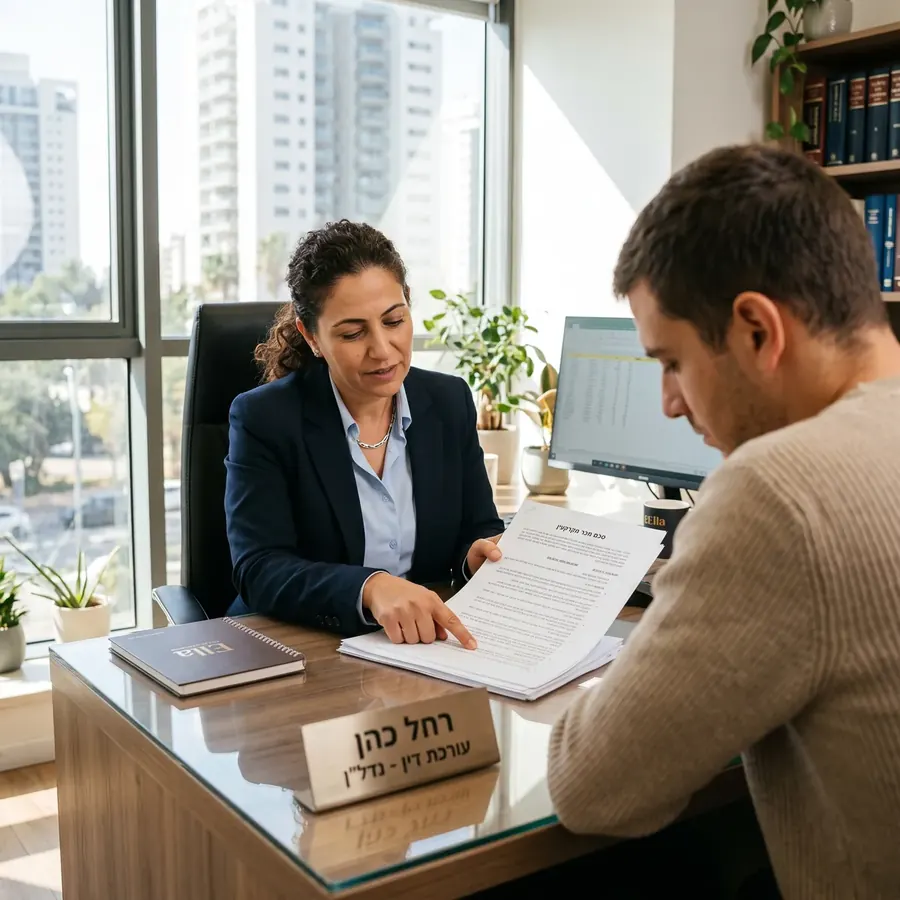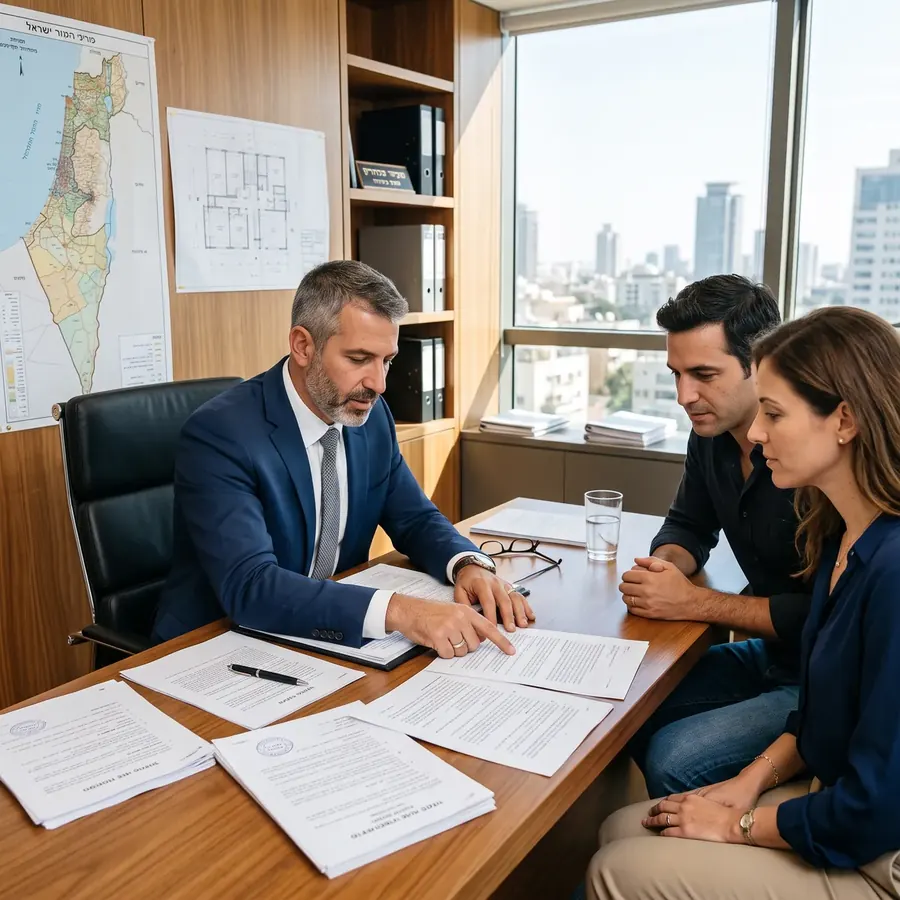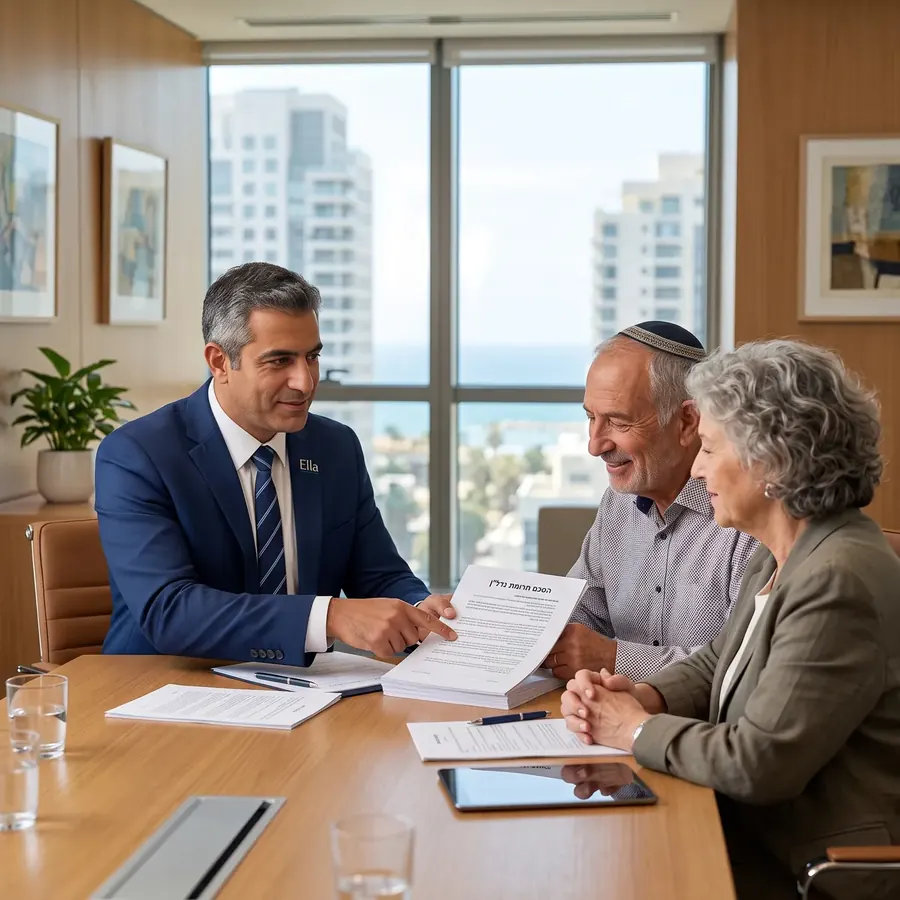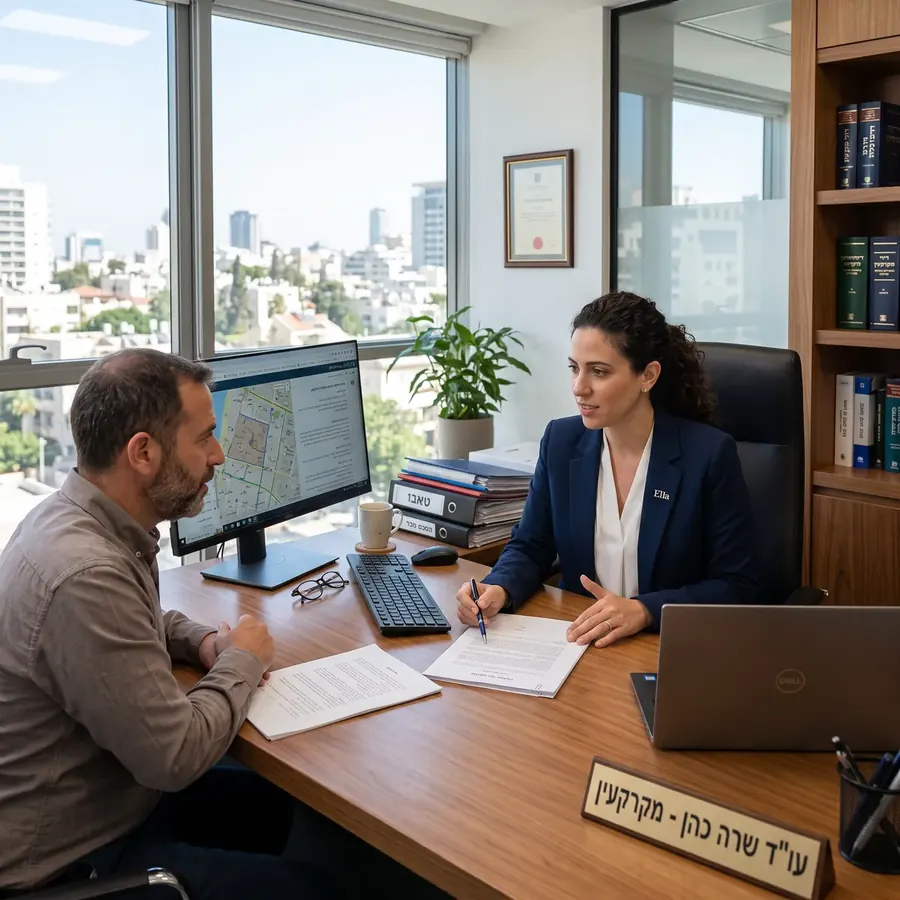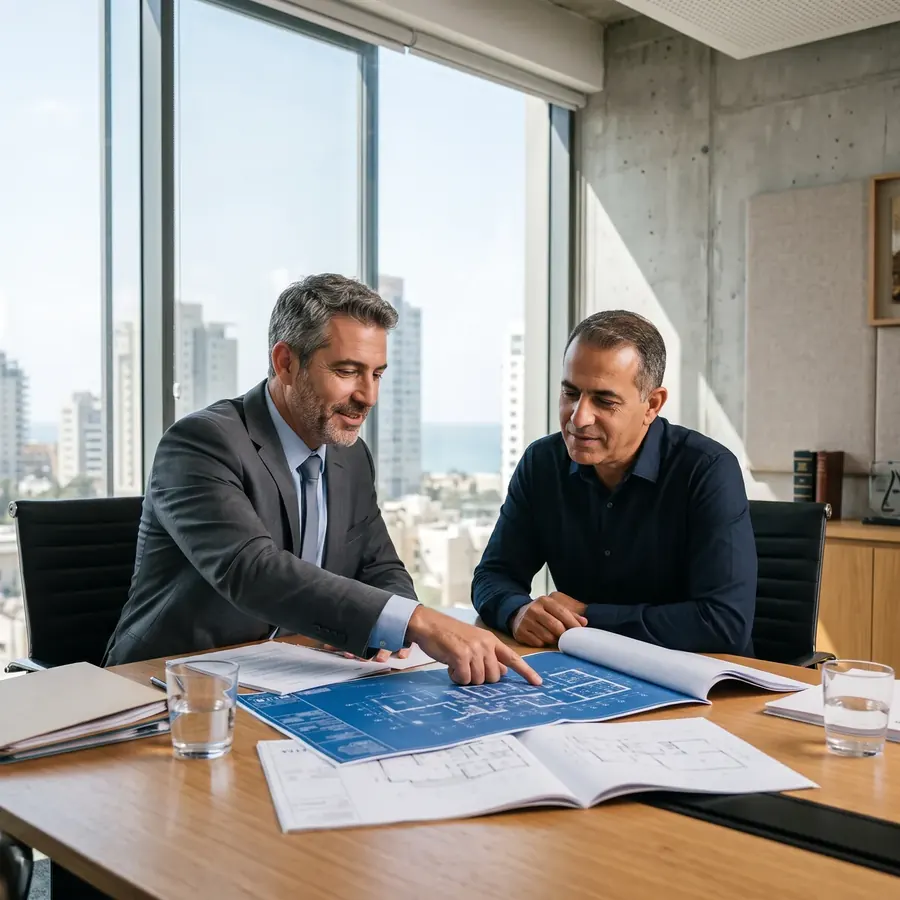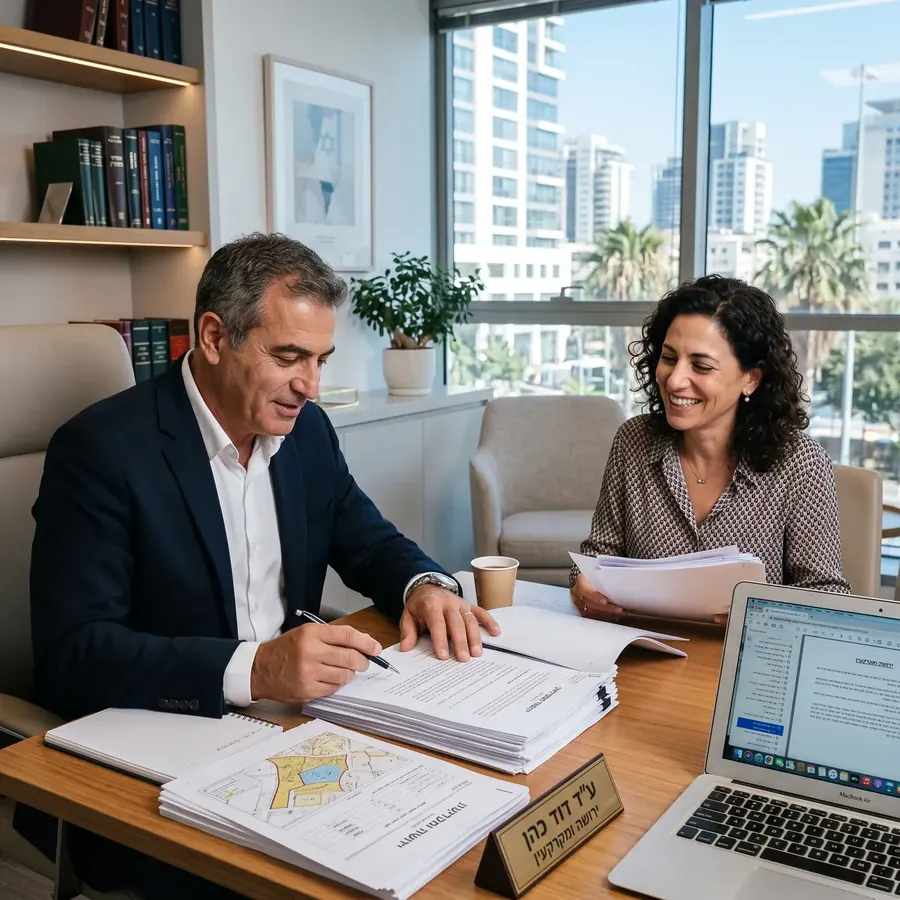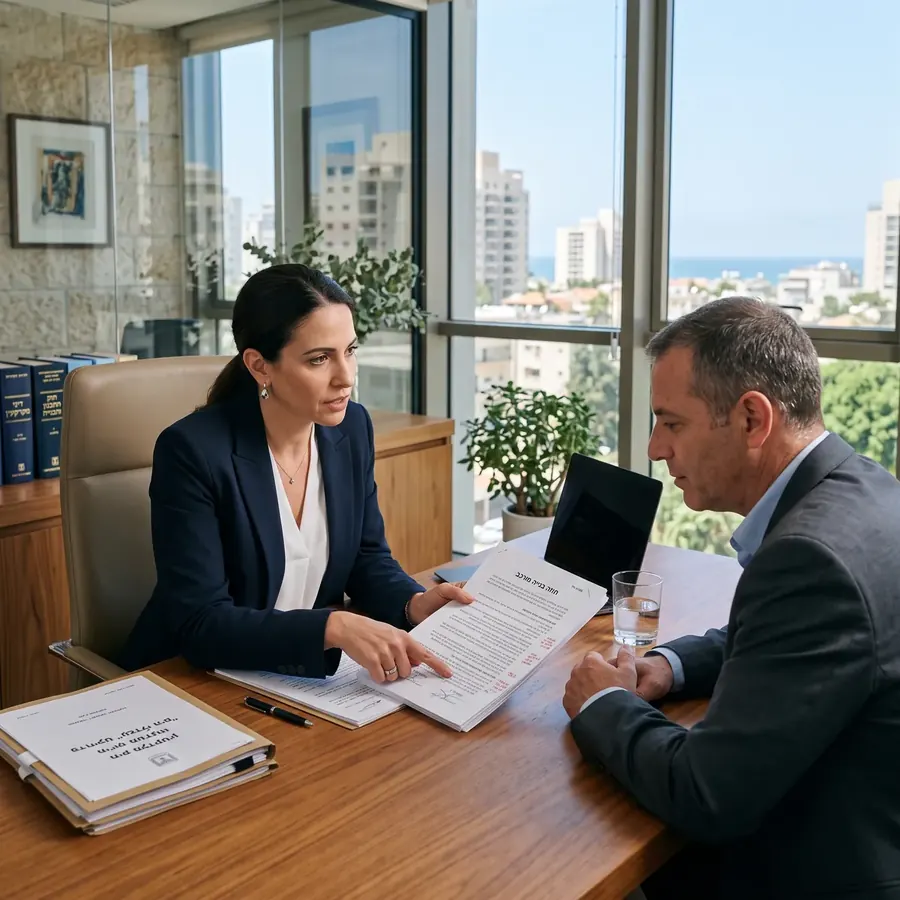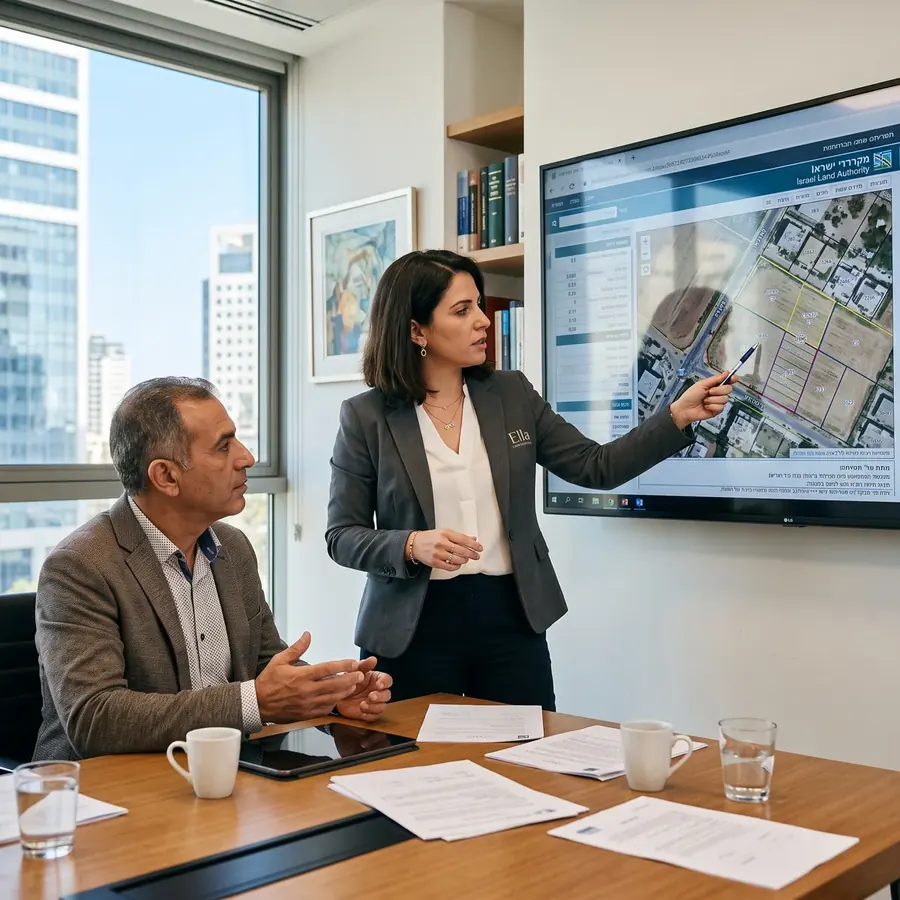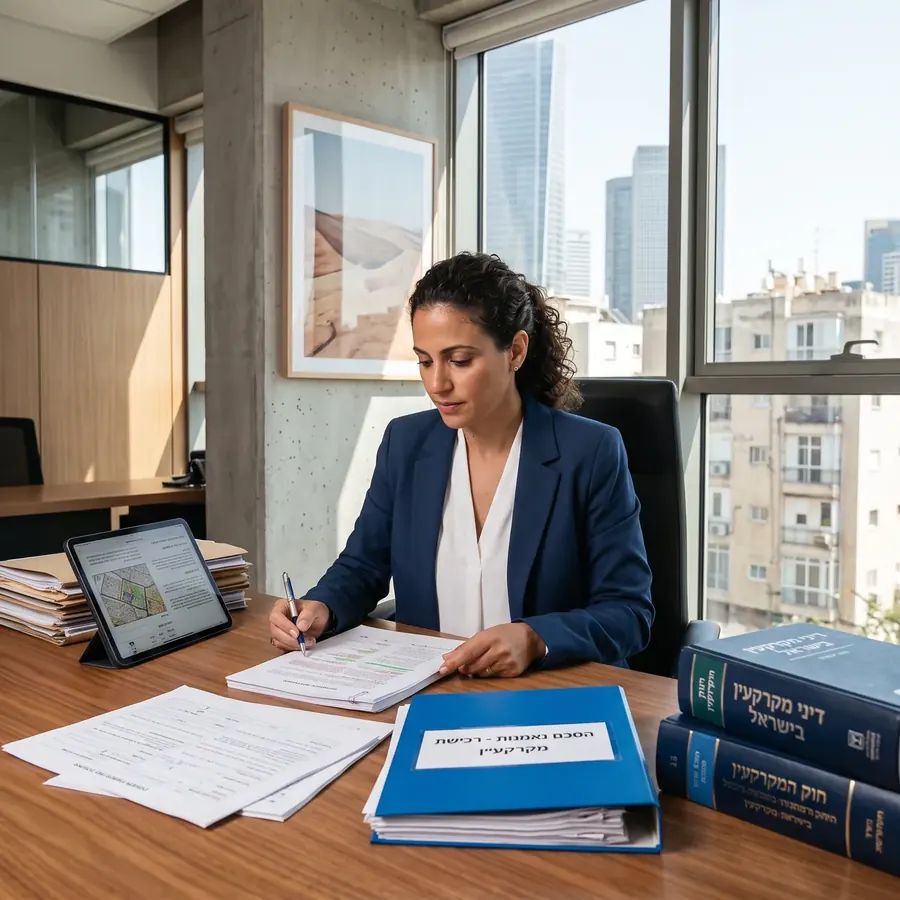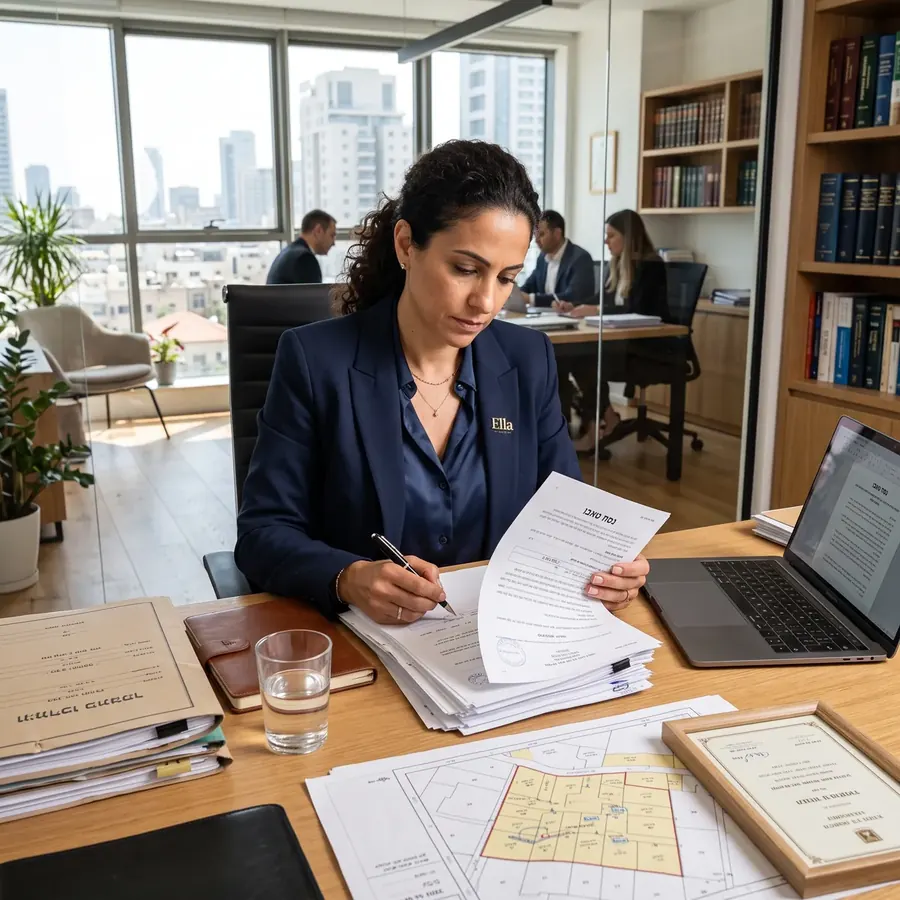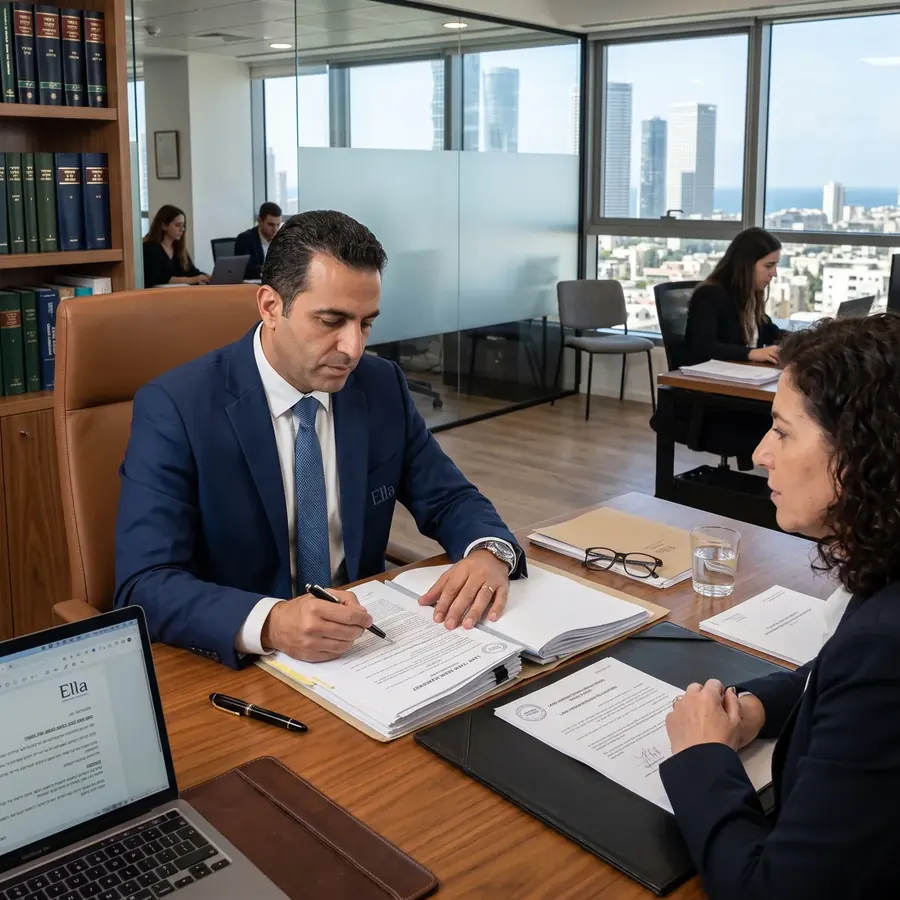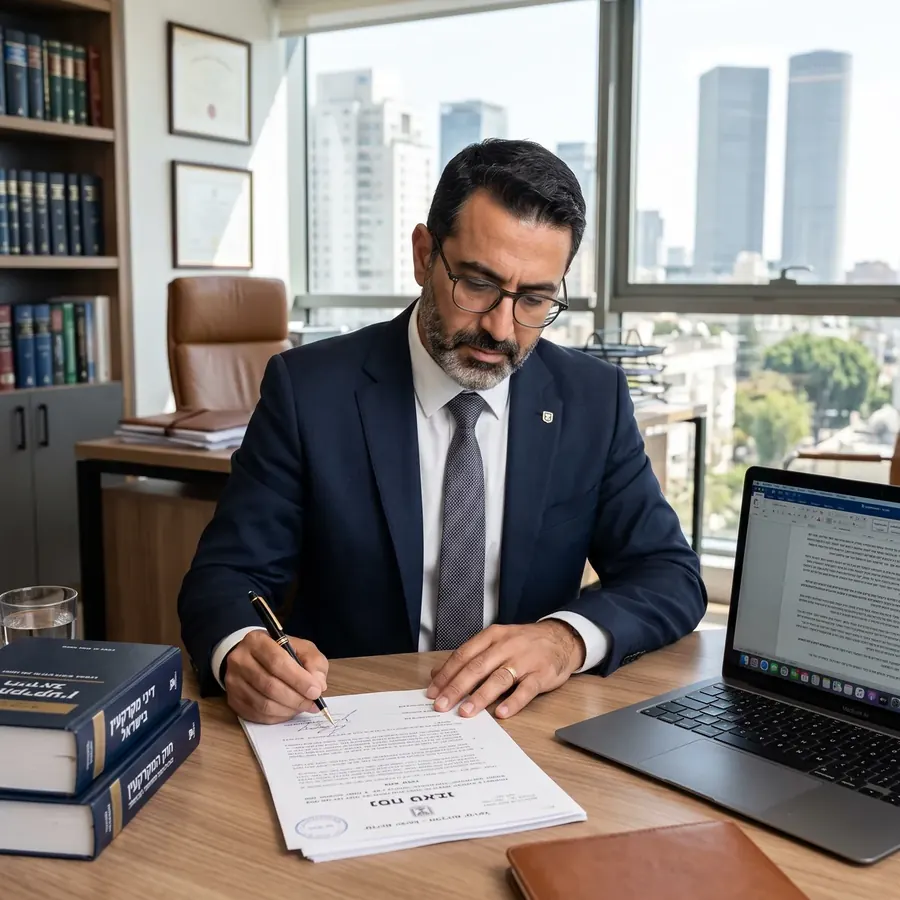




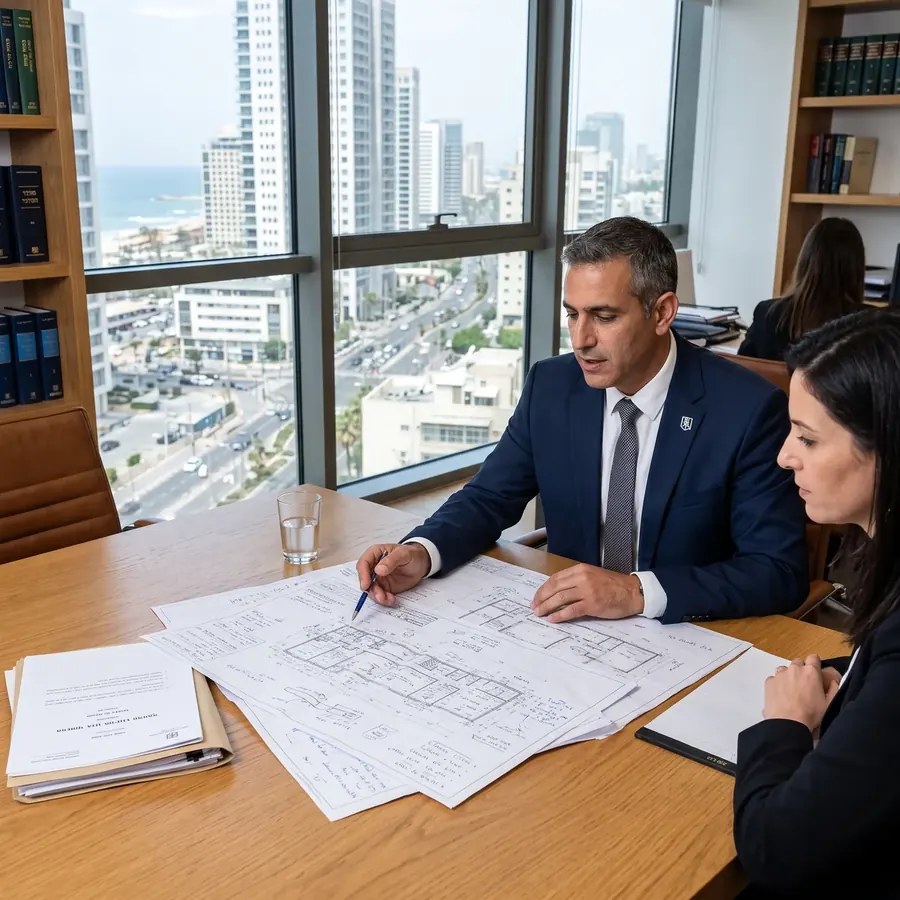
Investing in land (known as Karka) in Israel presents a unique and often rewarding opportunity for international English speakers, including Israeli diaspora, foreign investors, and new immigrants (Olim). The allure of owning a piece of this vibrant and dynamic country is undeniable, whether for future development, agricultural purposes, or as a long‑term asset. However, the process of purchasing land in Israel is distinct from many other jurisdictions, characterized by its own intricate legal framework, bureaucratic procedures, and cultural nuances. Navigating these complexities successfully requires not just diligence, but also the seasoned expertise of a dedicated real estate lawyer. Our firm specializes in guiding international clients through every step of the land acquisition journey in Israel, ensuring your investment is secure and your interests are meticulously protected.
Understanding "Karka": What is Land in the Israeli Context?
The term "Karka" in Hebrew specifically refers to land. In Israel, land ownership is a multifaceted concept, primarily influenced by historical factors and state policies. Unlike many Western countries where private land ownership is predominant, a significant portion of land in Israel is managed by the state. Understanding these distinctions is paramount for any potential buyer.
Types of Land Ownership in Israel
- Private Ownership (Tabu Land): This is the most straightforward form of ownership, where the land is registered in the name of a private individual or entity in the Land Registration Office, commonly known as the Tabu. This type of ownership offers the highest degree of control and transferability.
- Israel Land Authority (ILA) Leasehold: The majority of land in Israel (approximately 93%) is state‑owned and managed by the Israel Land Authority (ILA). This land is typically leased for long periods, often 49 or 98 years, with options for renewal. While not outright ownership, a long‑term leasehold provides significant rights, akin to ownership in many practical aspects. Lessees pay annual lease fees, and certain transactions may require ILA approval and additional payments.
- Jewish National Fund (JNF) Leasehold: A portion of the state land is owned by the Jewish National Fund (Keren Kayemeth LeIsrael – KKL) and managed by the ILA. Similar to ILA leasehold, these lands are leased for long terms, often with specific clauses related to their historical purpose.
Before proceeding with any purchase, a thorough check of the land's registration in the Tabu (Land Registry) is the crucial first step. This document provides official details about the land parcel, its ownership, existing rights, and any encumbrances.
Secure Your Land Purchase with Our Expertise
★★★★★ 4,9/5 · 127 client reviewsKey Legal Stages in Purchasing Land in Israel
The acquisition of land in Israel is a multi‑stage process that demands meticulous attention to detail at each phase. Our legal team ensures that every stage is handled with precision, safeguarding your investment from potential pitfalls.
Preliminary Due Diligence: Essential Checks Before You Buy
Before any commitment is made, comprehensive due diligence is indispensable. This investigative phase aims to uncover all relevant information and potential issues pertaining to the land.
- Zoning and Planning Restrictions: Israeli land is subject to detailed national, district, and local planning schemes. It is vital to ascertain the designated use of the land (e.g., residential, agricultural, industrial) and any restrictions on construction or development. A parcel of land in Beer Sheva (84000) designated for agriculture, for instance, cannot simply be used for residential building without a change in zoning.
- Building Permits and Potential: Beyond zoning, understanding the specific building rights and the potential for obtaining permits is critical. This involves reviewing the local outline plan (TABA) and consulting with relevant planning authorities.
- Encumbrances and Liens: A thorough Tabu search will reveal any registered encumbrances, such as mortgages, liens, easements (rights of way), or caveats (he'arat azhara). These can significantly impact the value and usability of the land.
- Environmental Considerations: Depending on the land's history and location, environmental assessments may be necessary to identify potential contamination or other ecological issues that could affect future development or pose liabilities.
The Purchase Agreement: Crafting a Secure Contract
The purchase agreement (Heskem Mekhira) is the cornerstone of the transaction. It must be meticulously drafted to reflect all agreed‑upon terms and protect the buyer's interests.
- Key Clauses: The agreement will detail the parties, the specific land parcel (including its Tabu registration details), the purchase price, and the payment schedule.
- Payment Terms and Escrow: Typically, payments are structured in installments, with a significant portion held in an escrow account managed by the buyer's lawyer. This ensures that funds are only released upon the fulfillment of specific conditions, such as the registration of a caveat in the Tabu in the buyer's favor.
- Representations and Warranties: The seller provides assurances regarding the land's condition, its legal status, and the absence of undisclosed defects or encumbrances.
- Conditions Precedent: The agreement may include conditions that must be met before the sale can be finalized, such as obtaining necessary permits or governmental approvals.
Our firm, Ella, excels in drafting robust purchase agreements that anticipate potential issues and provide clear remedies, offering you peace of mind throughout the transaction.
Taxation Implications for Land Purchases
Understanding the tax landscape is crucial for budgeting and financial planning. Israel has specific taxes related to real estate transactions.
- Purchase Tax (Mas Rekhisha): This is a tax levied on the buyer for the acquisition of real estate. The rates are progressive and depend on the value of the property and the buyer's status (e.g., Israeli resident, foreign resident, first‑time buyer).
- Betterment Tax (Heitel Hashbacha): This tax is generally paid by the seller, but buyers should be aware of its potential implications. It is levied by the local authority on the increase in the value of the land resulting from a change in a planning scheme.
- Value Added Tax (VAT): While generally not applicable to the sale of residential land, VAT may apply to the sale of commercial land or land sold by a "dealer" for construction purposes.
- International Tax Treaties: For international buyers, it is important to consider how Israeli tax obligations interact with their tax liabilities in their country of residence. Our team can provide guidance on these complex issues.
Secure Your Land Purchase with Our Expertise
★★★★★ 4,9/5 · 127 client reviewsNavigating the Israeli Bureaucracy: Institutions and Processes
The path to land ownership in Israel involves interactions with several key governmental and municipal bodies.
- The Israel Land Authority (ILA): As the administrator of most land in Israel, the ILA is central to transactions involving leasehold lands. Approvals, transfers, and specific payments may be required from the ILA.
- The Land Registration Office (Tabu): This is where all land rights and transactions are officially registered. The final stage of any land purchase involves registering the buyer's ownership or leasehold rights in the Tabu, providing legal proof of title.
- Local Planning and Building Committees: These municipal bodies are responsible for approving planning schemes, issuing building permits, and enforcing building regulations. Any development on the acquired land will require their approval. For example, building a new structure in Haifa (31000) would necessitate working closely with the Haifa Municipality's planning department.
- Bank Financing and Mortgage Registration: If the purchase is financed through a mortgage, the mortgage will need to be registered in the Tabu to secure the bank's interest.
Secure Your Land Purchase with Our Expertise
★★★★★ 4,9/5 · 127 client reviewsChallenges and Solutions for International Buyers
International buyers often face unique challenges when purchasing land in Israel, which our firm is adept at addressing.
- Language Barriers and Cultural Differences: Legal documents, official communications, and local customs can be daunting. Our team provides clear explanations and ensures all communications are understood.
- Absence from Israel During the Process: Many international clients manage their purchases from abroad. We can facilitate this through efficient communication, digital document handling, and the strategic use of powers of attorney.
- Understanding Israeli Legal Nuances: The intricacies of Israeli land law, including the distinctions between various types of land ownership and the specific tax implications, can be complex. We simplify these concepts for our clients.
- Importance of Power of Attorney: Granting a limited power of attorney to your Israeli lawyer can significantly streamline the process, allowing them to act on your behalf for various legal and administrative tasks, from signing documents to interacting with government agencies.
Secure Your Land Purchase with Our Expertise
★★★★★ 4,9/5 · 127 client reviewsComparative Analysis: Types of Land Ownership in Israel
Understanding the fundamental differences between ownership types is vital for making an informed decision about your land purchase in Israel. This table provides a concise comparison.
| Feature | Private Ownership (Tabu) | Israel Land Authority (ILA) Leasehold | Jewish National Fund (JNF) Leasehold |
|---|---|---|---|
| Legal Basis | Full private ownership, registered in Tabu. | Long‑term lease from the State of Israel, managed by ILA. | Long‑term lease from JNF, managed by ILA. |
| Control & Rights | Highest degree of control, unrestricted transfer (subject to tax). | Significant rights, similar to ownership, but subject to lease terms and ILA approval for certain actions. | Similar to ILA leasehold, but with potential additional restrictions or considerations related to JNF's objectives. |
| Term | Perpetual. | Typically 49 or 98 years, with renewal options. | Typically 49 or 98 years, with renewal options. |
| Fees/Payments | No ongoing lease fees. Only property taxes (Arnona) and one‑off transaction taxes. | Annual lease fees (known as "Dmei Hakhira") and potential payments for extensions or transfers. | Annual lease fees and potential payments, sometimes with specific clauses for non‑Jewish lessees. |
| Transferability | Generally straightforward, registered in Tabu. | Requires ILA approval for transfer, subject to ILA fees. | Requires ILA approval for transfer, subject to ILA fees and potentially JNF specific approvals. |
Secure Your Land Purchase with Our Expertise
★★★★★ 4,9/5 · 127 client reviewsTop Considerations for a Successful Land Purchase in Israel
To ensure a smooth and successful land acquisition, keep these critical points in mind:
- Engage Expert Legal Representation Early: This is arguably the most crucial step. A specialized real estate lawyer will guide you through the entire process, from due diligence to registration.
- Conduct Thorough Due Diligence: Never skip or rush the investigative phase. Understanding the land's legal, planning, and environmental status is non‑negotiable.
- Plan Your Finances Comprehensively: Beyond the purchase price, factor in taxes (purchase tax, betterment tax), legal fees, registration fees, and potential development costs.
- Understand Local Regulations: Israeli planning and building laws are complex and vary between municipalities. What applies in Tel Aviv (60000) might differ significantly from regulations in Eilat (88000).
- Consider Your Long‑Term Vision: Your intended use for the land (e.g., investment, development, personal use) should align with its legal designation and potential.
- Secure Necessary Powers of Attorney: If you are managing the purchase from abroad, a carefully drafted power of attorney is essential for your lawyer to act efficiently on your behalf.
Secure Your Land Purchase with Our Expertise
★★★★★ 4,9/5 · 127 client reviewsThe Role of Your Real Estate Lawyer: A Partnership for Success
Our firm serves as your trusted partner in the complex world of Israeli land acquisition. We bring unparalleled expertise, local insight, and a commitment to protecting your interests.
- Expertise in Israeli Land Law: We possess in‑depth knowledge of the intricate laws, regulations, and precedents governing land transactions in Israel.
- Comprehensive Due Diligence: We conduct exhaustive checks on the land's legal status, planning restrictions, and potential liabilities, ensuring you have a complete picture before committing.
- Skilled Negotiation: We negotiate on your behalf to secure favorable terms in the purchase agreement, protecting your financial interests and mitigating risks.
- Streamlining Bureaucratic Processes: We navigate the complexities of the Israel Land Authority, the Tabu, and local planning committees, saving you time and effort.
- Transparent Fee Structure: We believe in clear communication regarding our professional fees, ensuring you understand the costs involved without any hidden surprises.
- Ongoing Guidance and Support: From initial consultation to final registration, we provide continuous support, answering your questions and keeping you informed every step of the way.
Our commitment is to make your land purchase in Israel as smooth, secure, and successful as possible. We understand the significance of this investment and are dedicated to providing the highest level of professional service. Ella is here to assist you.
Secure Your Land Purchase with Our Expertise
★★★★★ 4,9/5 · 127 client reviewsUnderstanding the Costs Beyond the Purchase Price
When budgeting for your land purchase in Israel, it's essential to account for various associated costs beyond the agreed‑upon price of the Karka itself. Transparency about these potential expenses allows for better financial planning.
| Cost Category | Description | Who Typically Pays |
|---|---|---|
| Legal Fees | Professional fees for legal representation, due diligence, contract drafting, and transaction management. | Buyer (and Seller, for their own representation) |
| Purchase Tax (Mas Rekhisha) | Government tax levied on the acquisition of real estate in Israel. Rates vary based on property value and buyer status. | Buyer |
| Registration Fees (Tabu) | Fees for registering the transfer of rights in the Land Registration Office (Tabu). | Buyer |
| Appraisal Fees | Costs associated with obtaining an independent valuation of the land, often required for financing or due diligence. | Buyer (if requested) |
| Brokerage Fees | Commission paid to a real estate agent if one was involved in facilitating the transaction. | Buyer and/or Seller (as per agreement) |
| VAT (if applicable) | Value Added Tax, which may apply to certain commercial land transactions or land sold by a dealer. | Buyer |
| Betterment Tax (Heitel Hashbacha) | Tax levied by the local authority on the increase in land value due to a change in a planning scheme. | Seller (typically) |
It is important to discuss all potential costs with your legal counsel at the outset to ensure a clear understanding of the financial commitment involved. Our firm provides detailed explanations of these costs, ensuring transparency and helping you plan your investment effectively.
Conclusion:
Purchasing land (Karka) in Israel is a significant investment that offers immense potential, yet it comes with a distinct set of legal and administrative challenges, particularly for international buyers. From deciphering the nuances of land ownership types to navigating complex planning regulations and tax implications, expert legal guidance is not just beneficial—it's essential. Our firm stands ready to be your dedicated partner, providing the clarity, reliability, and proactive support you need. We are committed to simplifying this intricate process, ensuring your interests are paramount, and ultimately helping you achieve your real estate goals in Israel. Don't leave your valuable investment to chance. Reach out to us today to discuss your specific needs and embark on a secure path to land ownership in Israel. Let Ella guide your journey. For more insights on related real estate matters, you might also find valuable information through Ella.