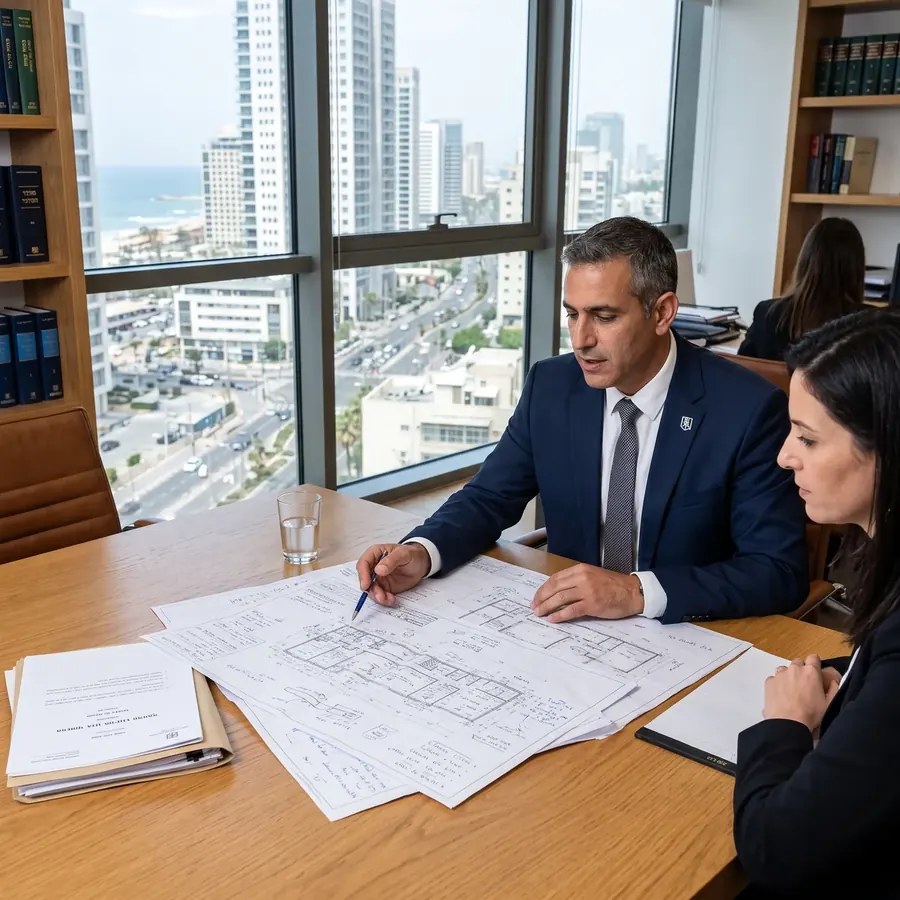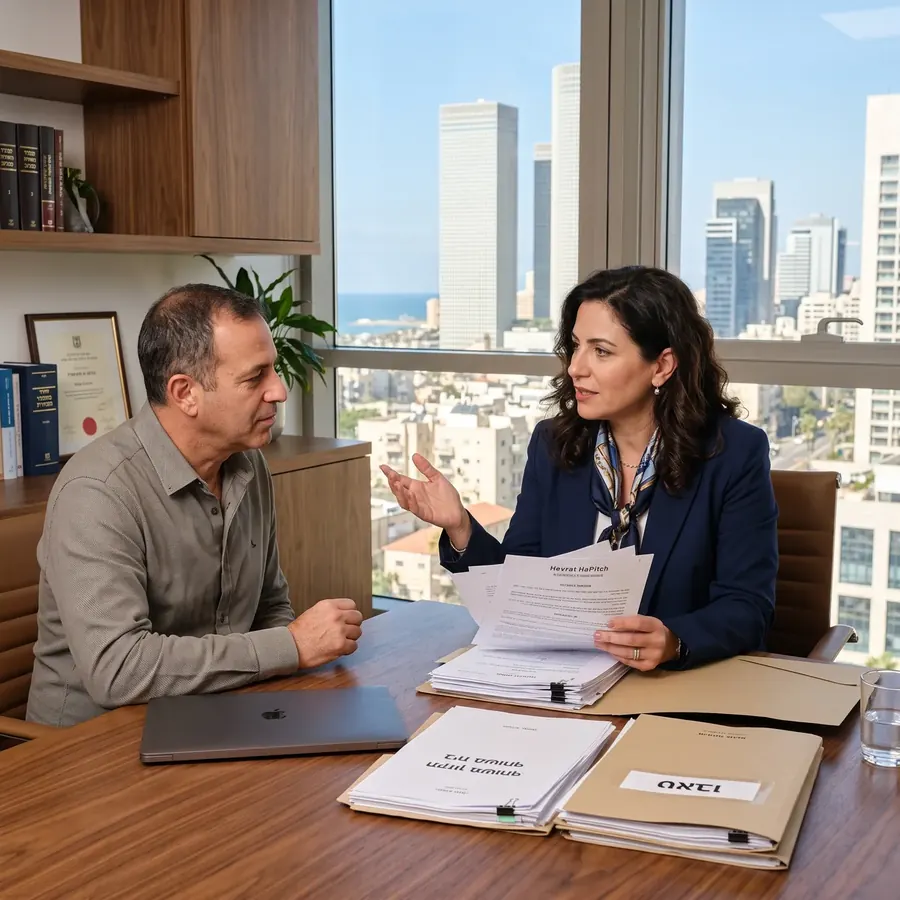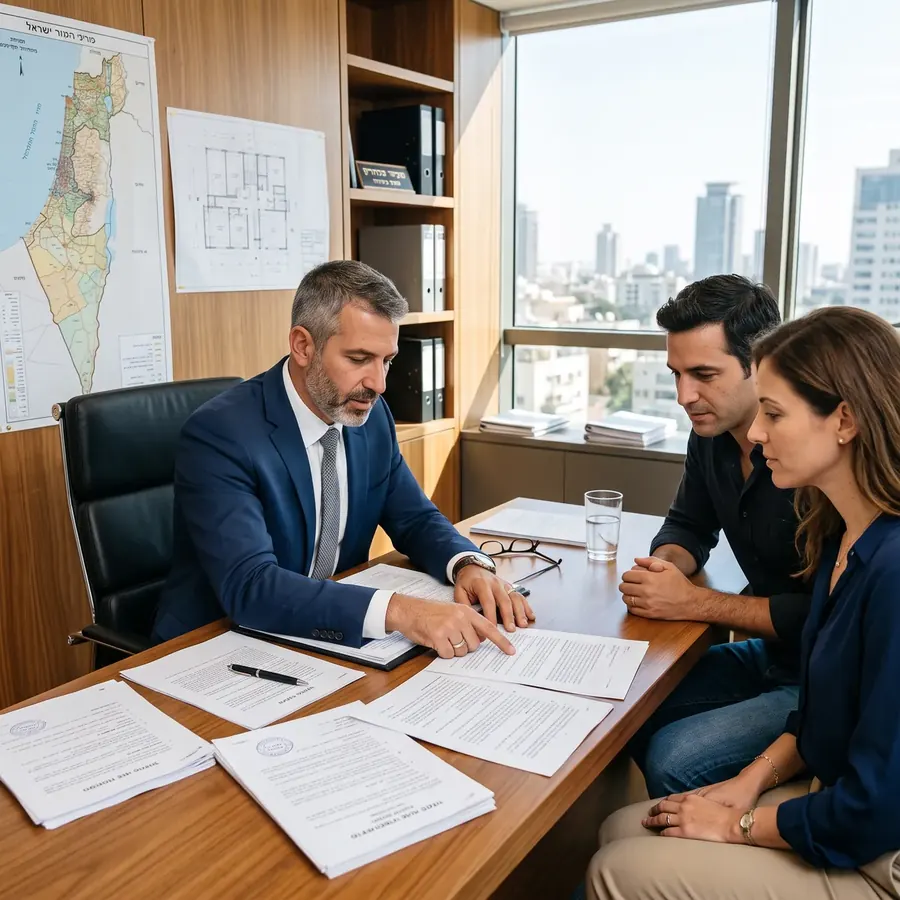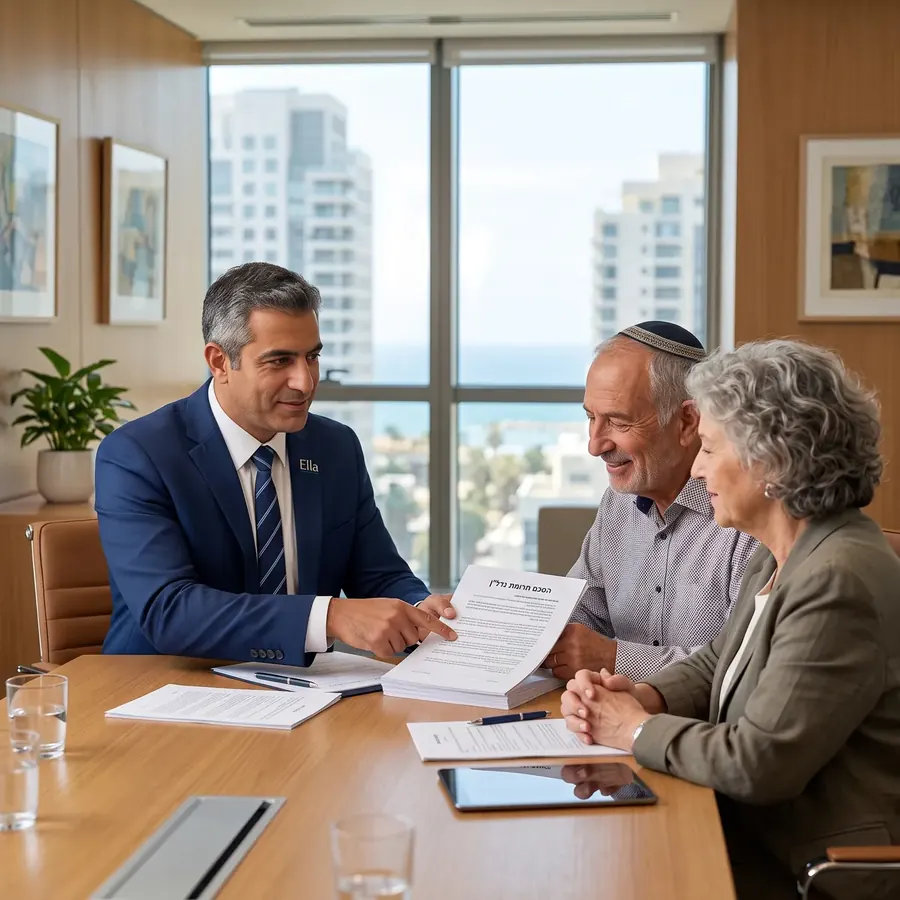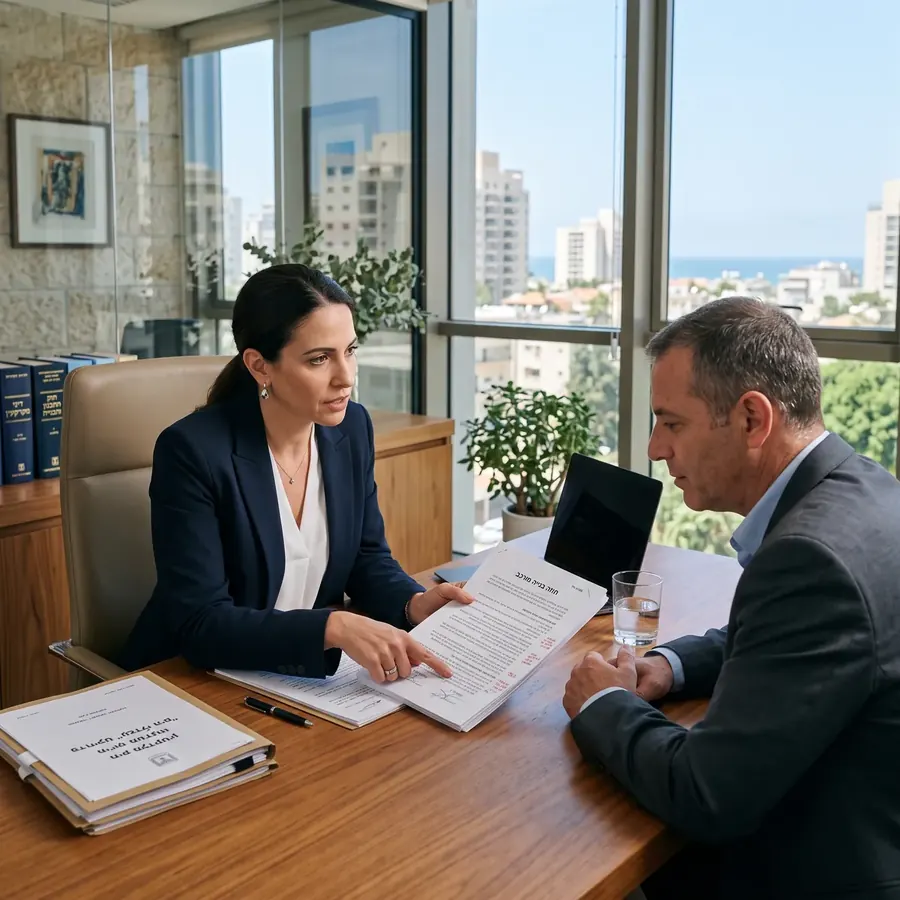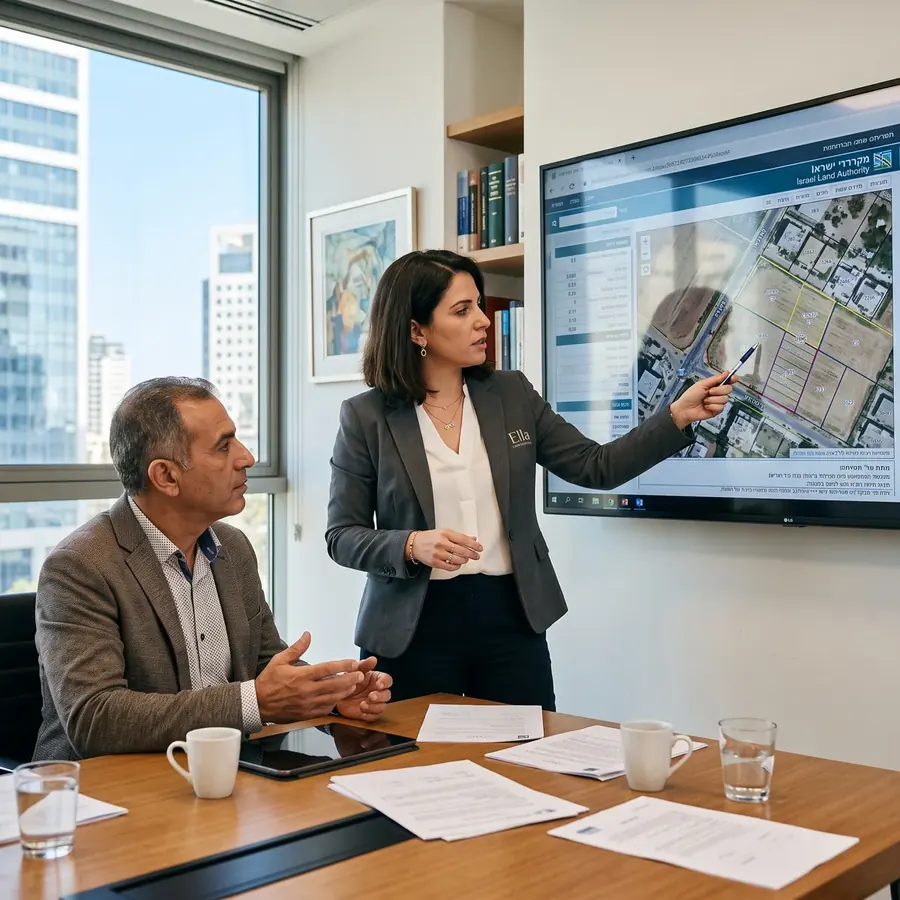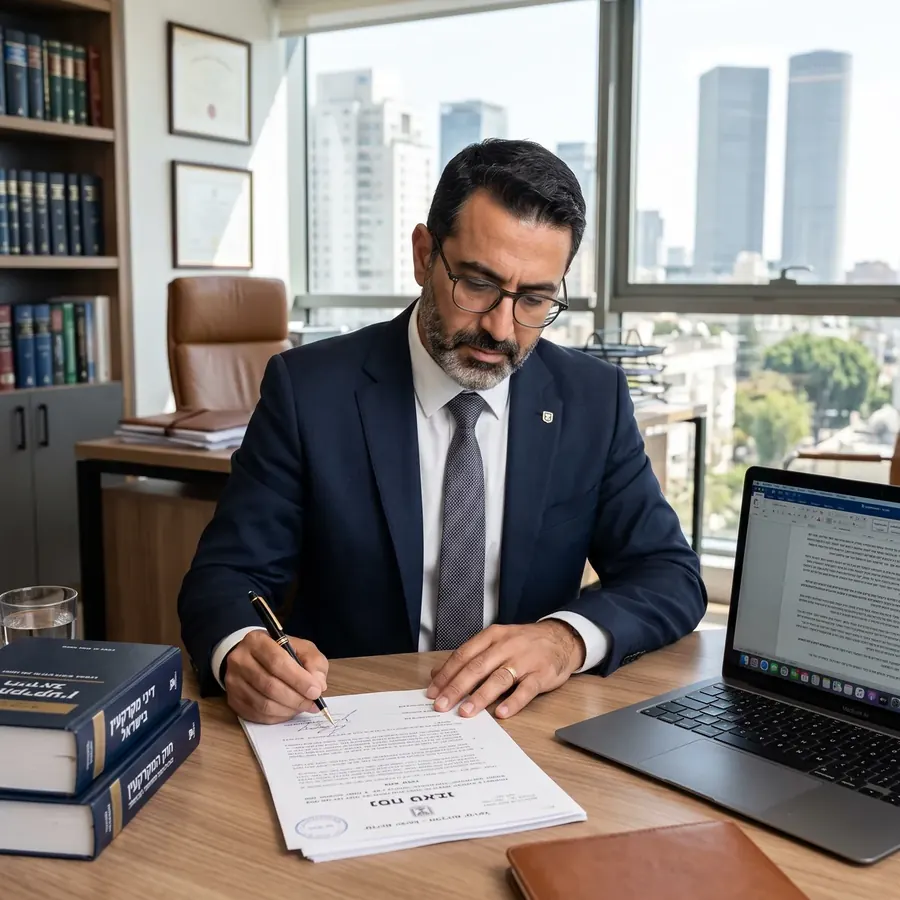





Embarking on a property transaction in Israel, whether as a buyer or seller, is an exciting prospect. However, the journey culminates not with the signing of a contract, but with the official registration of property transfer with the Tabu (Israel Land Registry). This critical final step legally solidifies your ownership or relinquishment of rights, transforming a contractual agreement into a legally recognized reality. For international clients, understanding and navigating this process can present unique challenges, making expert legal guidance not just beneficial, but essential.
The Tabu, Israel’s official land registry, serves as the definitive record of all real estate ownership, rights, and encumbrances across the country. Without proper registration, your property rights may remain vulnerable, potentially leading to disputes, complications, or even invalidation of your transaction. Our firm specializes in guiding international clients through every facet of Israeli real estate law, ensuring a seamless and secure transfer of property, meticulously registered within the Tabu system. We provide the clarity, reliability, and hands‑on support required to protect your investment and secure your future in Israeli real estate.
Understanding the Tabu: The Cornerstone of Israeli Property Ownership
What is the Israel Land Registry (Tabu)?
The Israel Land Registry, commonly known as the Tabu (from the Ottoman Turkish word for "deed"), is the official government body responsible for recording all rights and transactions related to real estate in Israel. It functions as the central repository for all property information, including ownership details, mortgages, liens, easements, and other encumbrances. The Tabu system operates under the direct supervision of the Ministry of Justice and is crucial for establishing clear, indisputable property titles. Each property in Israel has a unique registration number, and all legal rights pertaining to that property are meticulously documented within its folio. This centralized and public record system is designed to provide transparency and security in real estate transactions, making it the ultimate authority on property ownership.
Why is Tabu Registration Crucial for Property Transfers?
The significance of Tabu registration cannot be overstated. In Israel, legal ownership of real estate is officially transferred only upon its entry into the Tabu. Until this step is completed, the buyer holds only contractual rights, not full proprietary rights. This distinction is vital: contractual rights are against the seller, while proprietary rights are against the entire world. Without Tabu registration, a buyer is exposed to various risks, such as the seller potentially selling the property to another party, or creditors of the seller attempting to seize the property. For sellers, ensuring the property is properly transferred out of their name is equally important to absolve them of future liabilities and obligations. Timely and accurate registration provides:
- Legal Certainty: Establishes clear, undisputed ownership.
- Protection Against Third Parties: Safeguards the buyer's rights against claims from other parties.
- Eligibility for Mortgages: Most financial institutions require Tabu registration to secure a mortgage.
- Future Transactions: Facilitates any subsequent sale or transfer of the property.
- Tax Implications: Proper registration is often linked to the fulfillment of tax obligations.
The Legal Framework Governing Property Registration in Israel
Property registration in Israel is governed primarily by the Land Law, 5729‑2026, which sets forth the principles and procedures for acquiring, holding, and transferring real estate rights. This law outlines the requirements for valid property transactions, emphasizing the need for a written contract and, critically, registration in the Tabu. Alongside the Land Law, various regulations and directives from the Israel Land Registry Office further detail the practical aspects of the registration process. These legal provisions ensure that property transfers are conducted transparently, fairly, and with full disclosure. Navigating this intricate legal framework requires specialized knowledge, particularly when dealing with nuances such as properties registered under the Israel Land Authority, cooperative housing, or properties with complex historical titles. Our legal team possesses deep expertise in these specific areas, ensuring full compliance with all relevant laws and regulations. Ella
Secure Your Property Transfer with Our Legal Expertise
★★★★★ 4,9/5 · 127 client reviewsThe Official Registration Process: Step‑by‑Step Guidance
Initial Due Diligence and Pre‑Registration Checks
Before any official registration can take place, thorough due diligence is paramount. This involves a comprehensive investigation into the property's legal status, including reviewing the Tabu records, checking for any existing liens, mortgages, caveats (he'arat azhara), or other encumbrances. We also verify the property's zoning status, building permits, and any potential planning restrictions. For properties subject to the Israel Land Authority, additional checks are performed to ensure compliance with leasehold agreements. This meticulous pre‑registration phase is crucial for identifying and addressing any potential issues that could complicate or delay the transfer process, protecting our clients from unforeseen liabilities.
Required Documentation for Property Transfer
The registration of property transfer with the Tabu necessitates a precise set of documents. The exact requirements can vary slightly depending on the nature of the transaction and the parties involved, but generally include:
- Original Sale Agreement: The duly signed and notarized contract of sale.
- Power of Attorney: If a representative is acting on behalf of a party.
- Tax Clearance Certificates: From the Israel Tax Authority, confirming payment of all relevant taxes (e.g., Land Appreciation Tax, Purchase Tax).
- Municipal Clearance Certificate: From the local municipality (e.g., Tel Aviv (60000), Jerusalem (91000)), confirming payment of municipal taxes and levies.
- Tabu Registration Forms: Duly filled and signed by all parties.
- Identity Documents: Passports or Israeli ID cards of all parties.
- Bank Transfer Confirmations: Proof of payment for the property.
Here is a comparative table outlining common documents required from both buyer and seller:
| Document Category | Required from Buyer | Required from Seller |
|---|---|---|
| Sale Agreement | Original signed agreement | Original signed agreement |
| Tax Clearance | Proof of Purchase Tax payment | Land Appreciation Tax clearance |
| Municipal Clearance | N/A (unless assuming seller's debts) | Certificate of no debts to municipality |
| Power of Attorney | If represented | If represented |
| Identity Documents | Valid passport/ID | Valid passport/ID |
| Tabu Forms | Signed application for registration | Signed application for deletion (if applicable) and transfer |
Navigating the Israeli Tax Authorities
A significant part of the property transfer process involves interaction with the Israeli Tax Authorities. Both buyers and sellers are subject to specific taxes, and obtaining clearance certificates is a prerequisite for Tabu registration. Buyers are generally liable for Purchase Tax (Mas Rekhisha), while sellers typically pay Land Appreciation Tax (Mas Shevach). Exemptions and reduced rates may apply based on various factors, such as "Oleh" (new immigrant) status, primary residence, or specific family circumstances. Our expertise ensures that all tax obligations are correctly calculated, filed, and paid, preventing delays and ensuring compliance with Israeli tax law. We assist in preparing and submitting all necessary declarations and liaise directly with the tax authorities on your behalf, whether in Haifa (31000) or Beer Sheva (84000).
The Role of the Israel Land Registry Office (Tabu)
Once all preliminary steps, including due diligence, contract signing, and tax clearances, are complete, the application for registration is submitted to the relevant Israel Land Registry Office (Tabu). There are several Tabu offices located across Israel, each serving specific geographical areas. The submission includes all required documentation, meticulously prepared and verified by your legal counsel. The Tabu registrar reviews the application to ensure all legal requirements are met and that there are no discrepancies or outstanding issues. This stage can involve queries from the registrar, which require prompt and accurate responses. Our firm manages this entire process, from document preparation to submission and follow‑up, ensuring a smooth interaction with the Tabu officials.
Finalizing the Registration: Entry into the Tabu
The culmination of the property transfer process is the official entry of the transaction into the Tabu records. Once the registrar approves the application, the property's folio is updated to reflect the new ownership, and any previous encumbrances (such as the seller's mortgage) are removed, while new ones (such as the buyer's mortgage) are registered. Upon completion, a new official extract from the Tabu (נסח טאבו - Nesach Tabu) is issued, unequivocally confirming the change of ownership. This document serves as definitive proof of your proprietary rights in Israel. We ensure that our clients receive this crucial document and understand its implications, providing complete peace of mind regarding their investment. Ella
Secure Your Property Transfer with Our Legal Expertise
★★★★★ 4,9/5 · 127 client reviewsCommon Challenges and Pitfalls in Tabu Registration for International Clients
Language Barriers and Document Translation
One of the most immediate challenges for international clients is the language barrier. While many official documents in Israel are available in Hebrew, and sometimes English, the nuances of legal terminology can be complex. Official submissions to the Tabu are typically in Hebrew. Ensuring accurate translation and understanding of all legal documents, contracts, and official correspondence is critical. Our team provides comprehensive support, bridging this language gap and ensuring that you fully comprehend every aspect of your transaction, safeguarding your interests from misinterpretation or oversight.
Navigating Israeli Bureaucracy from Abroad
Dealing with governmental agencies from a different time zone and without a local presence can be daunting. The Tabu, Tax Authority, and municipal offices operate under specific procedures and timelines that can be unfamiliar to foreign investors. This often necessitates physical presence or a reliable local representative. Our firm acts as your dedicated local representative, managing all interactions with Israeli bureaucratic bodies, attending to submissions, and resolving any issues that may arise, all while keeping you fully informed, regardless of your geographical location.
Addressing Complex Property Rights and Encumbrances
Some Israeli properties may have complex ownership histories, involving multiple heirs, co‑owners, or historical encumbrances that predate modern registration. These complexities can significantly delay or even derail a property transfer if not properly identified and addressed. Examples include properties registered under the "Kushani" system (pre‑Tabu deeds), properties with unregistered easements, or those subject to land claims. Our detailed due diligence process is designed to uncover such issues early on, allowing us to develop strategic solutions and ensure a clean title transfer.
Tax Implications for Foreign Investors and Non‑Residents
The Israeli tax system has specific rules for non‑residents and foreign investors, which can differ significantly from those applicable to Israeli citizens. Understanding these distinctions, including potential capital gains taxes, rental income taxes, and international tax treaties, is crucial. Incorrect handling of tax matters can lead to substantial financial penalties or delays in obtaining necessary clearances. We provide expert advice on your specific tax obligations, helping you optimize your tax position within the bounds of Israeli law and ensuring all tax clearances are obtained efficiently.
Preventing Fraud and Ensuring Legal Compliance
While the Israeli legal system is robust, vigilance against potential fraud is always necessary in high‑value transactions. Ensuring the authenticity of documents, verifying the identity of parties, and safeguarding funds are paramount. Our legal oversight provides a critical layer of security, meticulously verifying every step of the process to prevent fraudulent activities and ensure strict adherence to all legal and ethical standards. This commitment to compliance protects your investment and reputation.
Secure Your Property Transfer with Our Legal Expertise
★★★★★ 4,9/5 · 127 client reviewsThe Indispensable Role of a Real Estate Lawyer in Tabu Registration
Ensuring Thorough Legal Due Diligence
A real estate lawyer's primary role begins long before the Tabu submission. It involves conducting exhaustive legal due diligence, examining every detail of the property's history and legal status. This includes scrutinizing the Tabu extract, checking for mortgages, attachments, or caveats, and verifying planning and building permits. This proactive approach identifies potential risks and liabilities, allowing them to be addressed before they become costly problems, thereby safeguarding your investment.
Drafting and Reviewing Contracts for Compliance
The sale agreement is the bedrock of any property transaction. Your lawyer is responsible for drafting a comprehensive, legally sound contract that accurately reflects the terms of the deal and protects your interests. This includes clauses related to payment schedules, possession dates, representations and warranties, and conditions for Tabu registration. For international clients, ensuring the contract accounts for cross‑border considerations and currency implications is vital. A carefully crafted contract minimizes disputes and facilitates a smooth transfer.
Liaising with All Relevant Israeli Authorities
The property transfer process involves coordination with multiple governmental and municipal bodies, including the Tabu, the Israel Tax Authority, and local municipalities (e.g., Netanya (42000)). Your lawyer acts as your single point of contact, managing all communications, submissions, and follow‑ups with these various entities. This professional liaison streamlines the process, resolves queries efficiently, and ensures that all necessary clearances and approvals are obtained in a timely manner, saving you significant time and effort.
Protecting Your Interests Throughout the Transfer Process
From the initial negotiation to the final Tabu registration, your real estate lawyer is your advocate. They ensure that all steps are taken to protect your legal and financial interests. This includes holding funds in trust, verifying the fulfillment of contractual obligations by all parties, and addressing any disputes or unforeseen issues that may arise. For international clients, this local representation is invaluable, providing peace of mind that your investment is secure and properly managed.
Expediting the Registration Process
While the Tabu process can inherently take time, an experienced real estate lawyer can significantly expedite it by ensuring all documentation is correct, complete, and submitted efficiently. Their familiarity with the procedures and direct access to relevant officials can prevent common delays. Here are some key benefits of engaging legal representation:
- Expert Document Preparation: Avoiding errors that lead to rejections.
- Proactive Problem Solving: Addressing issues before they cause delays.
- Direct Communication Channels: Efficient interaction with authorities.
- Streamlined Submissions: Knowledge of optimal submission processes.
- Continuous Monitoring: Tracking the application status and pushing for completion.
Secure Your Property Transfer with Our Legal Expertise
★★★★★ 4,9/5 · 127 client reviewsSpecific Scenarios: Beyond Standard Property Transfers
Registering Inherited Property in Israel
The transfer of inherited property in Israel involves a specific legal process, often requiring a Succession Order (Tzav Yerusha) or a Probate Order (Tzav Kium Tzavaha) from the Family Court or the Rabbinical Court. Once obtained, this order must be registered with the Tabu to officially transfer ownership to the heirs. This process can be complex, especially for international heirs unfamiliar with Israeli inheritance law and the specific requirements for foreign wills. Our firm assists heirs in obtaining the necessary orders and registering their inherited rights with the Tabu, ensuring a smooth transition of ownership.
Transfers Involving Mortgages and Liens
Most property purchases in Israel involve a mortgage. The registration of a mortgage is also recorded in the Tabu, creating a lien on the property in favor of the lending bank. For a property transfer to proceed, any existing mortgage on the seller's side must be cleared and deleted from the Tabu, and the buyer's new mortgage must be registered. This requires careful coordination with financial institutions and the Tabu. We manage this intricate process, ensuring that all financial interests are properly secured and released, facilitating a clean title transfer.
Registering New Construction Projects (From Developer to Buyer)
Purchasing a new apartment from a developer in Israel involves a distinct registration process. Initially, the land may be registered in the developer's name, or as an unregistered project. Once construction is complete and the building is registered as a condominium (Bayit Meshutaf), individual apartments are then registered in the names of the buyers in the Tabu. This can be a lengthy process, often taking several years. Our firm represents buyers from the initial contract with the developer through to the final Tabu registration, safeguarding their rights at every stage and ensuring the developer fulfills their obligations regarding registration. Ella
Transfers for Olim (New Immigrants) and Returning Residents
New immigrants (Olim) and returning residents often benefit from specific tax incentives and exemptions when purchasing property in Israel. Understanding and correctly applying for these benefits requires specialized knowledge of Israeli tax law. Additionally, the process of establishing residency and integrating into the Israeli system can add layers of complexity to a property transaction. Our firm is experienced in assisting Olim and returning residents, ensuring they leverage all available benefits and navigate the property transfer process efficiently, whether they are settling in Ashdod (77000) or Hadera (38000).
Secure Your Property Transfer with Our Legal Expertise
★★★★★ 4,9/5 · 127 client reviewsChoosing Your Legal Partner for Israeli Property Transactions
Expertise in Israeli Property Law and International Client Relations
When selecting a real estate lawyer, prioritize a firm with demonstrated expertise in Israeli property law, especially one that regularly handles transactions for international clients. This specialized knowledge ensures that your unique circumstances, including foreign residency, currency transfers, and international tax considerations, are fully understood and addressed. A lawyer proficient in cross‑border transactions can anticipate potential issues and provide tailored solutions.
Proven Track Record and Client Testimonials
Look for a firm with a strong track record of successful Tabu registrations and positive client testimonials. A history of effectively navigating complex cases for international investors is a strong indicator of reliability and competence. References and case studies can provide valuable insight into their ability to deliver results and provide exceptional service.
Transparent Fee Structures and Communication
Ensure your chosen legal partner offers transparent fee structures. While we do not discuss specific figures, a reputable firm will clearly outline how their fees are calculated and what services are included. Open and consistent communication is also vital, especially when dealing with time zone differences. You should expect regular updates and clear explanations of the process at every stage.
Proximity and Accessibility for Ongoing Support
While technology allows for remote communication, having a legal team with a strong local presence in Israel can be a significant advantage. This allows for direct interaction with Tabu offices and other authorities, quick responses to local developments, and the ability to act swiftly on your behalf. Our firm offers both the local presence and the international client focus required for comprehensive support.
Here’s a comparison highlighting the benefits of engaging expert legal counsel versus attempting a DIY approach:
| Aspect | Engaging Legal Counsel | DIY Approach |
|---|---|---|
| Legal Expertise | In‑depth knowledge of Israeli property law, tax, and Tabu procedures. | Limited understanding, reliance on general information. |
| Risk Mitigation | Proactive identification and resolution of legal and financial risks. | High risk of overlooking critical issues, potential for costly errors. |
| Time & Efficiency | Streamlined process, efficient handling of bureaucracy, minimized delays. | Time‑consuming, frustrating, prone to significant delays. |
| Compliance | Ensured adherence to all legal and tax requirements. | Risk of non‑compliance, leading to penalties or invalidation. |
| Peace of Mind | Confidence that your transaction is secure and legally sound. | Constant worry, uncertainty, and stress. |
Top 5 Qualities of an Expert Israeli Real Estate Lawyer for International Clients:
- Bilingual Proficiency: Fluent in English and Hebrew for seamless communication and document handling.
- Specialized Knowledge: Deep expertise in Israeli property law, including Tabu regulations and tax implications for non‑residents.
- Proactive Problem Solver: Ability to anticipate and effectively resolve complex legal and bureaucratic challenges.
- Client‑Centric Approach: Dedicated to understanding and protecting the unique interests of international investors.
- Strong Local Network: Established relationships with relevant authorities and professionals in Israel.
The official registration of property transfer with the Tabu (Israel Land Registry) is the final, indispensable step in securing your real estate investment in Israel. While the process is complex and demands meticulous attention to detail, engaging an experienced real estate lawyer ensures that your transaction is handled with the utmost professionalism, precision, and security. Our firm is committed to providing unparalleled legal services, guiding you through every stage, from initial due diligence to the final issuance of your Tabu extract. We pride ourselves on offering clear, reliable, and value‑driven legal counsel that protects your interests and provides concrete peace of mind.
Do not let the complexities of Israeli property law deter you from your investment goals. Partner with a legal team that understands your needs and possesses the expertise to navigate the system successfully. Contact us today to discuss your property transfer needs and discover how our dedicated legal services can ensure a secure and efficient registration of your property in the Tabu.