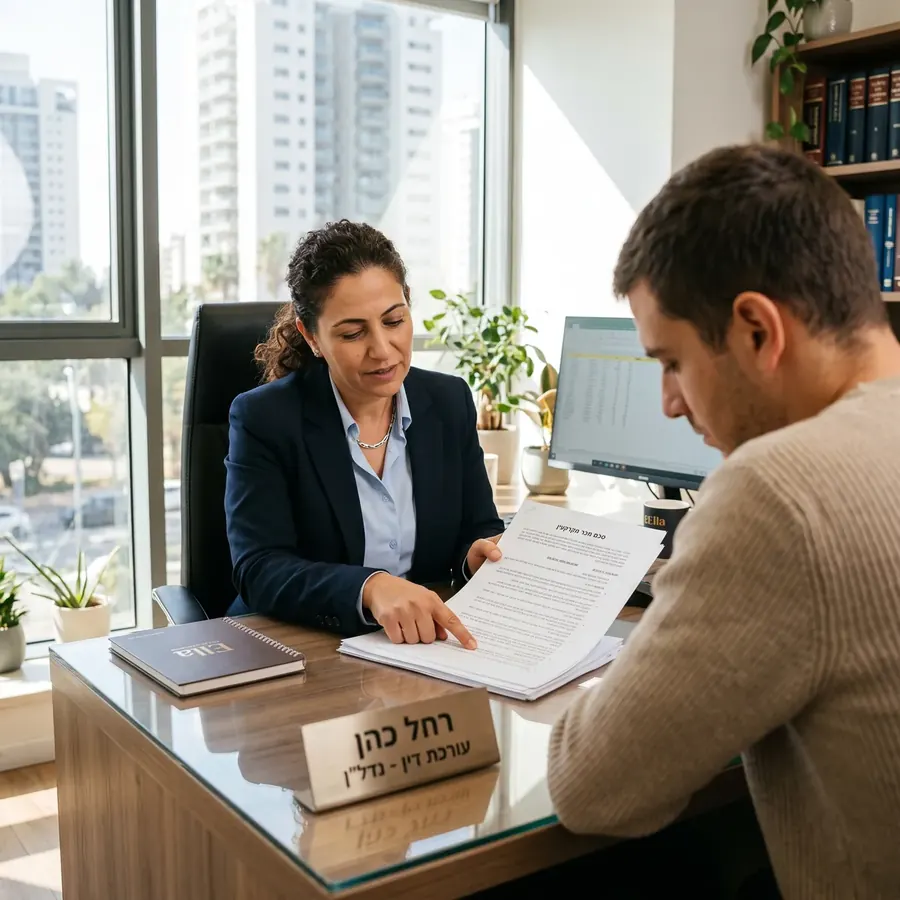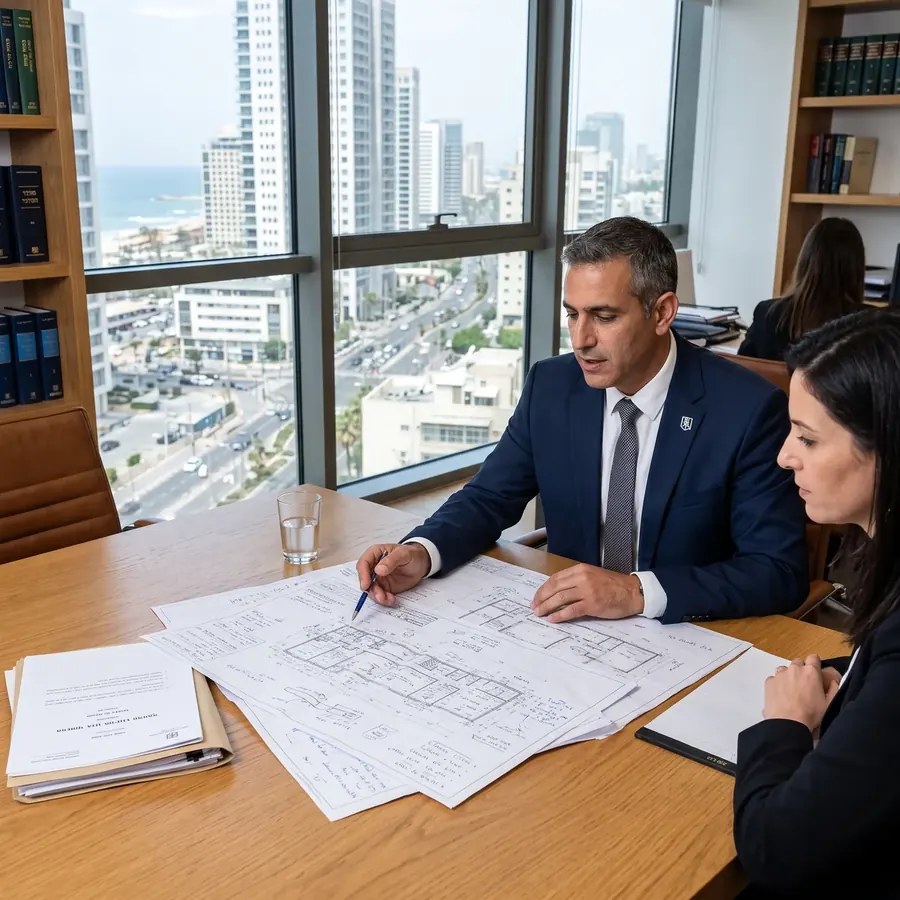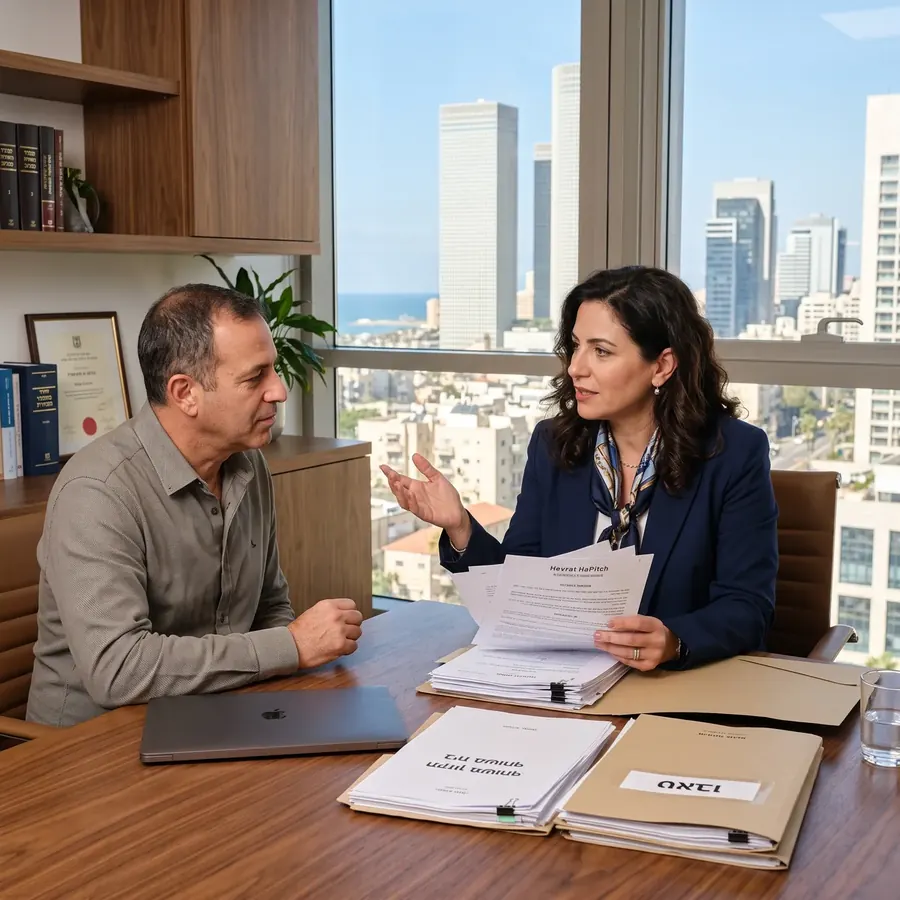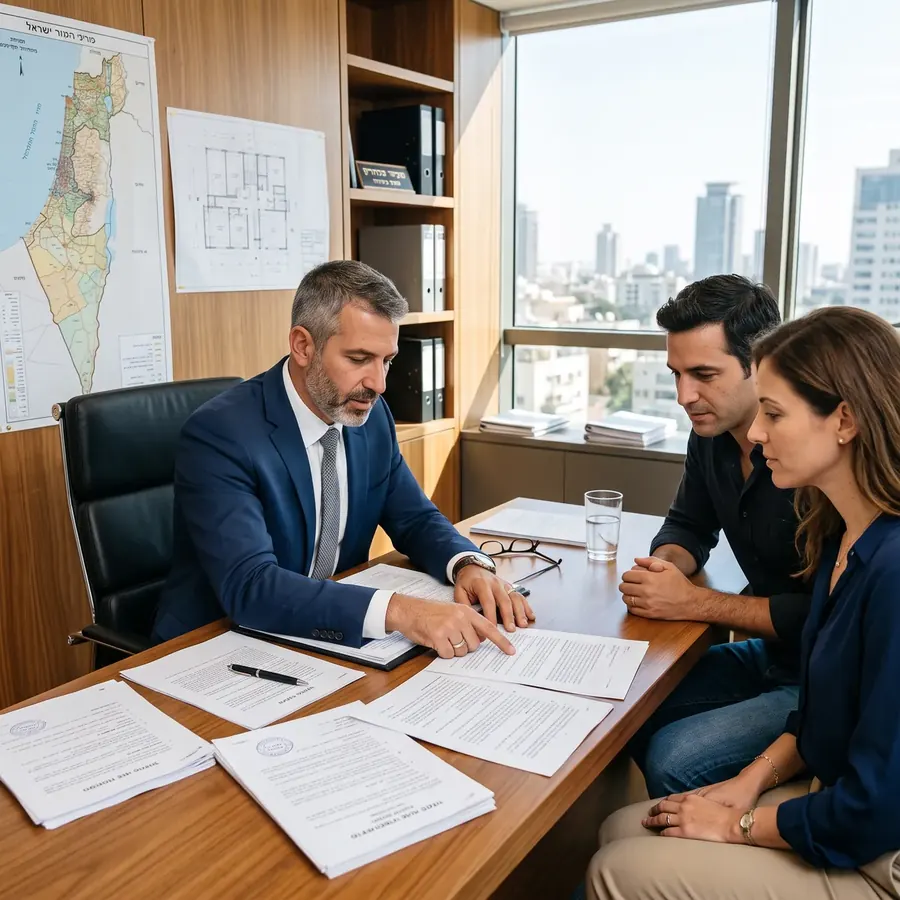





Navigating the intricacies of property inheritance and transfer in Israel can be a complex and often emotionally charged process, particularly for international individuals or those unfamiliar with Israeli law. Whether you are an Israeli citizen residing abroad, a foreign investor with assets in Israel, or a new immigrant (Oleh) inheriting property, understanding the legal framework is paramount. The successful and efficient transfer of property requires not only a deep understanding of Israeli inheritance laws but also a meticulous approach to real estate regulations and potential tax implications.
At our firm, we specialize in guiding clients through every step of this journey. Our expertise ensures that your interests are protected, assets are seamlessly transferred, and all legal requirements are met with precision. We provide clear, reliable counsel tailored to your unique circumstances, offering peace of mind during a potentially challenging time. This comprehensive guide will illuminate the critical aspects of inheritance and property transfer in Israel, empowering you with the knowledge needed to make informed decisions.
Understanding Inheritance Law in Israel
Israeli inheritance law is primarily governed by the Inheritance Law of 2026, which outlines the legal framework for distributing a deceased person's estate. This law distinguishes between situations where a valid will exists and those where the deceased died intestate (without a will). Understanding these fundamental principles is crucial for anyone involved in an inheritance process in Israel.
Key Principles of Israeli Inheritance Law
The Israeli Inheritance Law is based on several core principles designed to ensure a fair and orderly distribution of assets. These include:
- Freedom of Testament: Individuals have the right to determine how their assets will be distributed after their death through a valid will.
- Spousal Rights: The surviving spouse typically has significant rights to the deceased's estate, often inheriting a substantial portion, especially in the absence of children.
- Children's Rights: Children of the deceased are generally primary heirs, inheriting alongside the surviving spouse or in full if no spouse survives.
- Order of Priority: In cases of intestacy, the law establishes a clear order of priority for heirs, starting with the spouse and children, followed by parents, siblings, and so forth.
- Equality Among Heirs: Generally, heirs of the same degree (e.g., all children) inherit equally.
These principles form the bedrock of inheritance proceedings in Israel and dictate how assets, including real estate, are legally transferred. Understanding their application is the first step towards a successful property transfer.
Wills vs. Intestacy: What You Need to Know
The presence or absence of a valid will significantly impacts the inheritance process in Israel. Each scenario presents distinct legal pathways:
| Scenario | Description | Implications for Property Transfer |
|---|---|---|
| With a Valid Will | The deceased left a legally binding document specifying the distribution of their assets. | The property will be transferred according to the terms of the will. An Order for Probate (Tzav Kiyum Tzavah) must be obtained from the Inheritance Registrar or Family Court. This order confirms the will's validity and identifies the beneficiaries. |
| Intestacy (Without a Will) | The deceased did not leave a valid will, or the will is deemed invalid. | Property is distributed according to the default rules of the Israeli Inheritance Law. An Order for Inheritance (Tzav Yerusha) must be obtained, which legally identifies the heirs and their respective shares. |
It is crucial to note that even with a will, the process is not automatic. Formal legal steps are required to validate the will or determine legal heirs, ensuring that property can be correctly transferred and registered in the names of the beneficiaries. This is where expert legal guidance becomes invaluable.
The Role of the Israeli Inheritance Registrar
The Israeli Inheritance Registrar plays a central role in both probate and inheritance proceedings. This governmental body is responsible for receiving applications for Orders for Probate and Orders for Inheritance, examining the submitted documentation, and ultimately issuing the official orders that legalize the inheritance process. While most applications are handled by the Registrar, complex cases, disputes, or those requiring judicial interpretation may be referred to the Family Court. Engaging with the Registrar requires meticulous attention to detail and adherence to strict procedural guidelines.
Secure your property legacy with our expert legal support.
★★★★★ 4,9/5 · 127 client reviewsThe Process of Property Transfer After Inheritance
Once an Order for Probate or an Order for Inheritance has been issued, the legal right to the deceased's assets, including real estate, is established. The subsequent step involves the actual transfer of ownership in the relevant property registries. This is a critical phase that requires careful management to ensure the legal title is correctly updated.
Navigating the Land Registry (Tabu) in Israel
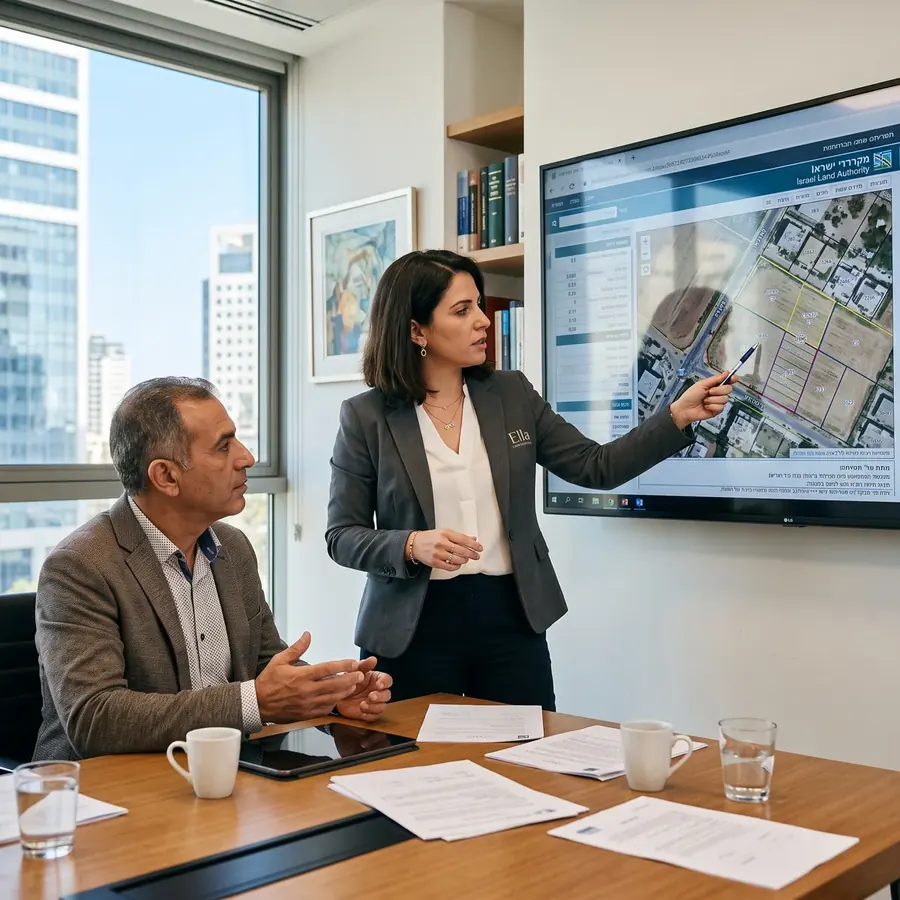
The Land Registry, commonly known as the Tabu in Israel, is the official government body responsible for recording all rights and transactions related to real estate. For inherited property, the Order for Probate or Order for Inheritance serves as the primary document authorizing the change of ownership. The process involves submitting this order, along with other required documents, to the relevant Land Registry office. For example, if the property is located in Tel Aviv (61000), the application would be submitted to the Tel Aviv Land Registry. The accuracy of the submitted documents is paramount to avoid delays or complications.
Our team assists clients in preparing and submitting all necessary documentation, liaising with the Land Registry, and overcoming any bureaucratic hurdles that may arise. We understand the nuances of the Tabu system and work diligently to expedite the transfer process for our clients. For insights into related property matters, you might find information from Ella helpful.
Required Documentation for Property Transfer
Transferring inherited property in Israel requires a comprehensive set of documents. While specific requirements may vary slightly depending on the individual circumstances and the nature of the property, the following are generally essential:
- Original or certified copy of the Order for Probate or Order for Inheritance.
- Deceased's death certificate.
- Identification documents of the heirs.
- Power of attorney if the heirs are represented by a lawyer.
- Confirmation of payment of any applicable taxes (e.g., betterment tax, if relevant).
- Application for registration of the inheritance.
- Original property title deed (if available, though often the Land Registry holds this information electronically).
Accuracy and completeness of these documents are crucial. Any discrepancies or missing information can significantly delay the transfer process. We meticulously review all documentation to ensure compliance with Israeli legal standards.
Potential Challenges and How to Overcome Them
The property transfer process, especially in inheritance cases, can present several challenges:
- Disputes Among Heirs: Disagreements over property distribution can halt the process. Our firm offers mediation and legal representation to resolve such conflicts amicably or through court proceedings if necessary.
- Missing Documentation: Locating all required documents, especially for properties inherited from generations past, can be difficult. We assist in researching and obtaining historical records.
- Foreign Residency of Heirs: Heirs residing outside Israel may face logistical challenges. We facilitate the process through remote communication, powers of attorney, and coordination with local authorities.
- Unregistered Rights: Sometimes, property rights may not be fully registered in the Tabu, requiring additional legal steps to rectify the situation before transfer.
- Tax Complexities: Understanding and fulfilling tax obligations can be daunting. We provide clear guidance on all tax aspects to prevent future issues.
Addressing these challenges proactively with expert legal counsel can prevent significant delays and financial burdens. Our team possesses the experience and local knowledge to navigate these complexities effectively, ensuring a smooth transition of property ownership.
Secure your property legacy with our expert legal support.
★★★★★ 4,9/5 · 127 client reviewsTaxation Implications of Inherited Property in Israel
A common misconception is that Israel imposes a direct inheritance tax. While this is not the case, there are other tax considerations that can arise when inheriting property or subsequently selling it. Understanding these implications is vital for effective financial planning and avoiding unexpected liabilities.
Israeli Inheritance Tax (or lack thereof)
It is important to clarify that Israel does not levy a direct inheritance tax or estate tax on the value of assets inherited. This means that heirs do not pay a percentage of the inherited estate directly to the government simply for receiving the inheritance. This is a significant advantage compared to many other jurisdictions globally. However, this absence of direct inheritance tax does not mean that inherited property is entirely free from tax considerations. Other taxes, particularly those related to real estate transactions, may still apply.
Capital Gains Tax on Future Sale of Inherited Property
While there is no inheritance tax, if an inherited property is subsequently sold by the heirs, it may be subject to Capital Gains Tax (Mas Shevach). This tax is levied on the profit made from the sale of real estate in Israel. The calculation of capital gains for inherited property has specific rules:
| Scenario | Capital Gains Tax Calculation Basis | Key Considerations |
|---|---|---|
| Property acquired before 2026 | The acquisition date for calculating capital gains is generally considered to be the date the deceased acquired the property. | Heirs may be eligible for certain exemptions if the deceased would have been exempt from capital gains tax had they sold the property themselves (e.g., sale of a single residential apartment). |
| Property acquired after 2026 | The acquisition date for calculating capital gains is typically the date of the deceased's death. | The fair market value of the property at the time of death is used as the cost basis for calculating future capital gains. |
Navigating these tax rules requires professional expertise to ensure compliance and to explore any potential exemptions or reliefs. Our firm provides comprehensive advice on the tax implications of selling inherited property, helping you optimize your financial outcomes. Further information on tax planning can often be found through resources like Ella.
Avoiding Common Tax Pitfalls
To minimize potential tax liabilities and ensure a smooth transaction, consider the following:
- Early Tax Planning: Consult with a legal and tax expert early in the process to understand your obligations and options.
- Accurate Valuation: Ensure the property is accurately valued at the time of inheritance, as this forms the basis for future capital gains calculations.
- Exemption Eligibility: Investigate eligibility for capital gains tax exemptions, such as those for the sale of a single residential apartment by an Israeli resident. Rules are complex and dependent on various factors.
- Document Retention: Keep meticulous records of all expenses related to the property, as these can reduce your taxable gain.
- Professional Guidance: The Israeli tax landscape is dynamic. Rely on experienced professionals to guide you through the complexities and ensure compliance.
Secure your property legacy with our expert legal support.
★★★★★ 4,9/5 · 127 client reviewsSpecial Considerations for International Clients
For international clients, inheriting and transferring property in Israel introduces additional layers of complexity. Cross‑border legal frameworks, geographical distance, and varying legal systems require a specialized approach to ensure efficiency and compliance.
Cross‑Border Inheritance: Israeli and Foreign Law Conflicts
When an individual with assets in Israel passes away while residing in another country, or when Israeli residents inherit property abroad, conflicts of law can arise. Determining which country's inheritance laws apply can be challenging. Israeli law generally applies to real estate located in Israel, regardless of the deceased's nationality or place of residence. However, other aspects of the estate, such as movable assets, might be governed by the laws of the deceased's domicile. This interplay between legal systems necessitates expert advice to avoid contradictory rulings and ensure a legally sound property transfer. For example, if a client from New York (10001) inherits property in Jerusalem (91000), both US and Israeli legal principles might need consideration.
Power of Attorney for Overseas Clients
For clients residing outside Israel, managing the inheritance and property transfer process remotely can be cumbersome. A Power of Attorney (POA) is an indispensable tool in such situations. A valid POA, properly executed and legalized in the client's country of residence and then apostilled or authenticated for use in Israel, authorizes a local representative (such as a lawyer) to act on the heir's behalf. This can include signing documents, interacting with government agencies, and managing financial aspects. This eliminates the need for heirs to travel to Israel multiple times, streamlining the process significantly.
We guide our international clients through the process of preparing and authenticating POAs, ensuring they meet all Israeli legal requirements and effectively empower us to represent their interests.
Managing Property from Abroad
Once inherited, managing property in Israel from abroad requires ongoing attention. This can include:
- Property Management: Arranging for maintenance, repairs, and tenant relations if the property is rented.
- Tax Compliance: Ensuring timely payment of municipal taxes (Arnona), property taxes, and income tax if the property generates rental income.
- Legal Representation: Having a local legal representative to address any unforeseen issues, such as boundary disputes or regulatory changes.
- Sale or Lease: Facilitating the sale or lease of the property, including marketing, negotiations, and legal documentation.
Our firm offers comprehensive support for international clients, providing not just the initial transfer services but also ongoing legal and administrative assistance to manage their Israeli property assets effectively. Whether your property is in Haifa (31000) or Be'er Sheva (84000), our local network and expertise provide unparalleled support.
Secure your property legacy with our expert legal support.
★★★★★ 4,9/5 · 127 client reviewsChoosing the Right Legal Partner for Your Property Inheritance in Israel
Given the complexities of Israeli inheritance and real estate law, selecting an experienced and reliable legal partner is paramount. The right firm can make the difference between a smooth, efficient transfer and a protracted, stressful ordeal.
Expertise in Israeli Real Estate and Inheritance Law
Look for a firm with a proven track record specifically in Israeli real estate and inheritance law. This dual expertise is crucial because property inheritance cases intertwine both legal disciplines. An expert will understand not only the nuances of inheritance distribution but also the specific requirements for registering property rights with the Land Registry, addressing municipal regulations, and navigating tax implications. Our firm possesses this specialized knowledge, offering comprehensive legal solutions for your inherited property in Israel.
Local Knowledge and International Perspective
For international clients, a firm that combines deep local knowledge of Israeli legal and administrative systems with an understanding of international legal principles is invaluable. This dual perspective ensures that cross‑border issues are handled effectively, and communication is clear, regardless of your location. We pride ourselves on our ability to bridge the gap between Israeli law and international client needs, providing tailored advice that respects both jurisdictions.
Transparent Communication and Client‑Focused Approach
The inheritance process can be emotionally challenging. A legal partner who offers transparent communication, keeps you informed at every stage, and adopts a client‑focused approach can significantly alleviate stress. Our commitment is to provide clear, understandable explanations, set realistic expectations, and prioritize your best interests throughout the entire process. We believe in building trust through consistent, honest, and proactive communication regarding all aspects of your case, including our transparent fees for services rendered.
Top 5 Reasons to Choose Our Firm for Your Property Inheritance in Israel:
- Specialized Dual Expertise: Unparalleled knowledge in both Israeli Inheritance Law and Real Estate Law.
- International Client Focus: Experienced in handling complex cross‑border inheritance cases for clients worldwide.
- Streamlined Process: Efficient navigation of the Israeli Land Registry and Inheritance Registrar procedures.
- Comprehensive Tax Guidance: Expert advice on capital gains tax and other property‑related tax considerations.
- Dedicated Client Support: Personalized service with transparent communication and a commitment to your peace of mind.
Inheriting property in Israel, whether you are an Israeli resident or an international client, requires careful legal navigation. From understanding the nuances of Israeli inheritance law to meticulously handling the property transfer with the Land Registry and addressing potential tax implications, each step demands precision and expertise. Our firm is dedicated to providing the highest level of professional guidance, ensuring your property assets are securely and efficiently transferred. We are here to simplify the complex, offering clarity and confidence throughout the entire process.
Do not leave your inherited property to chance. Contact us today for a consultation to discuss your specific needs and learn how our experienced team can assist you in securing your legacy in Israel. We are committed to providing the expert support you need to navigate this important journey with ease.