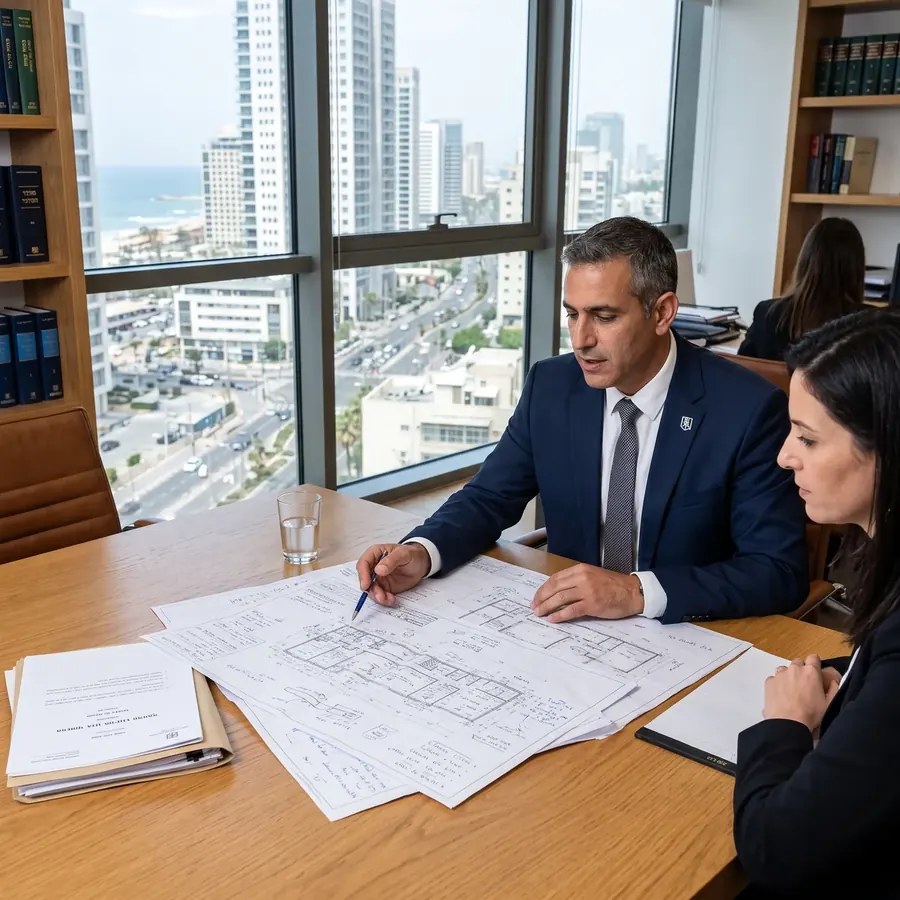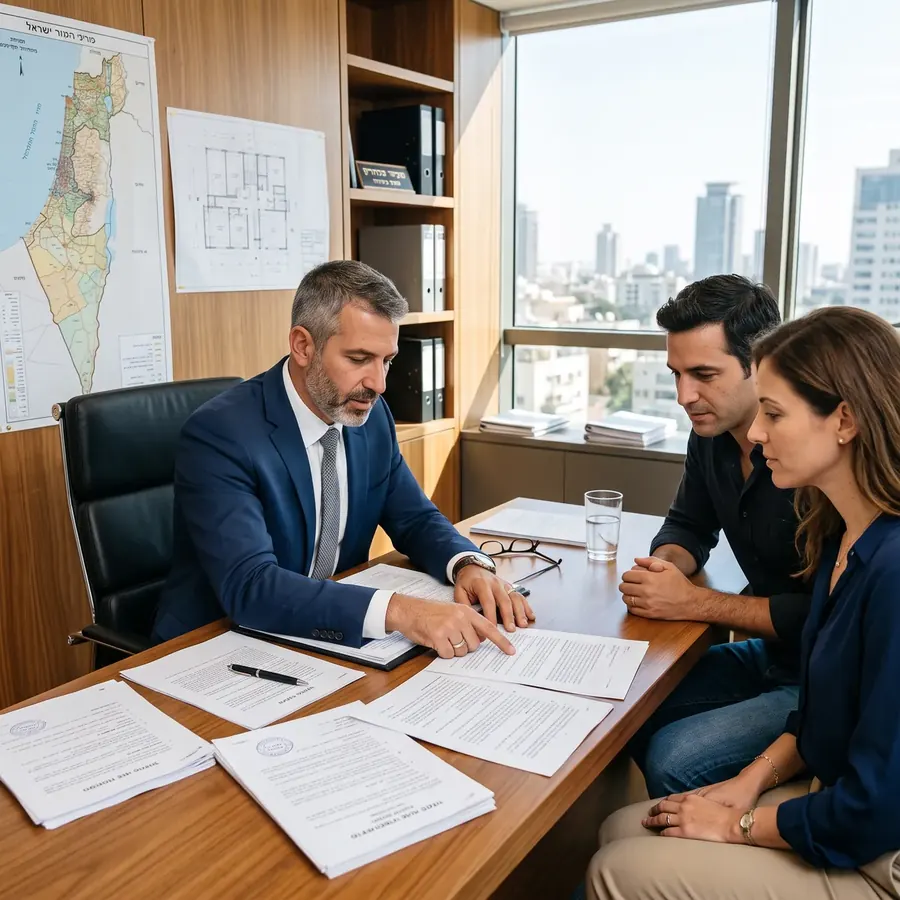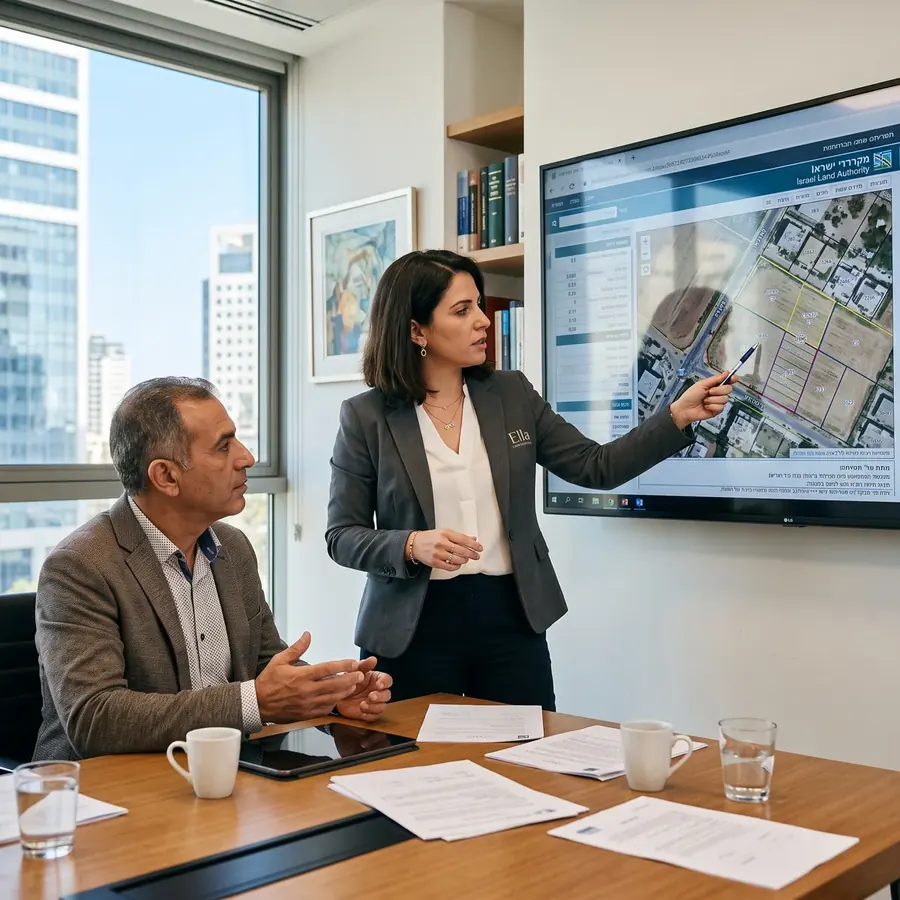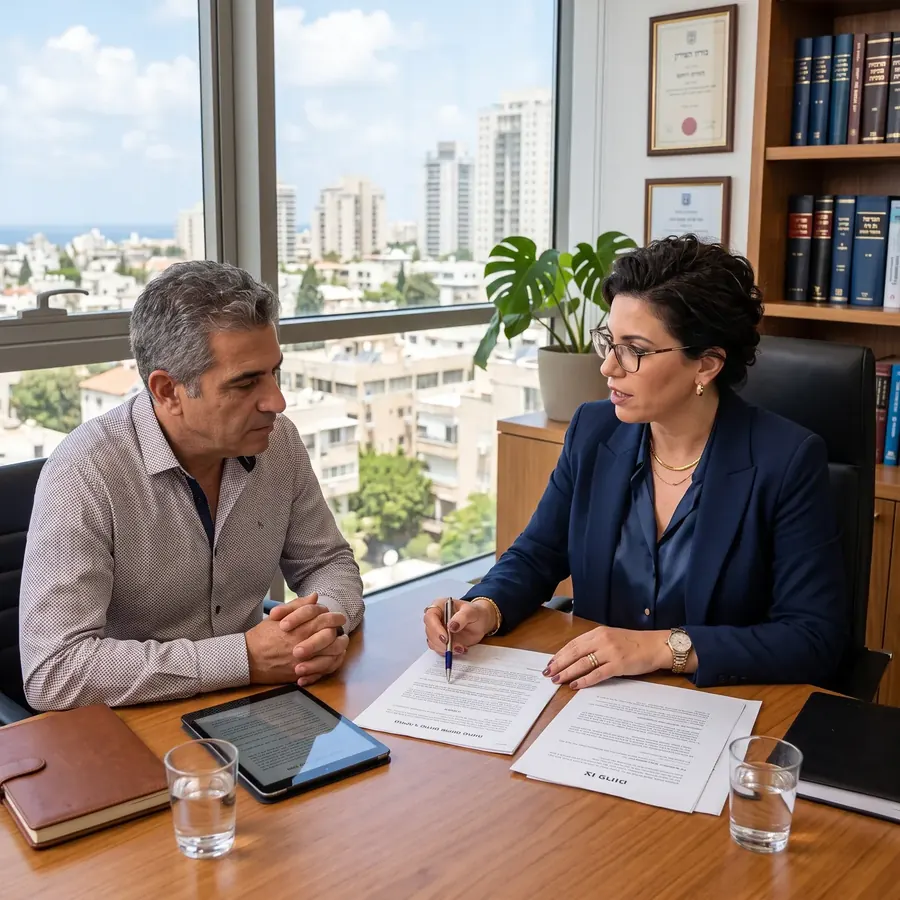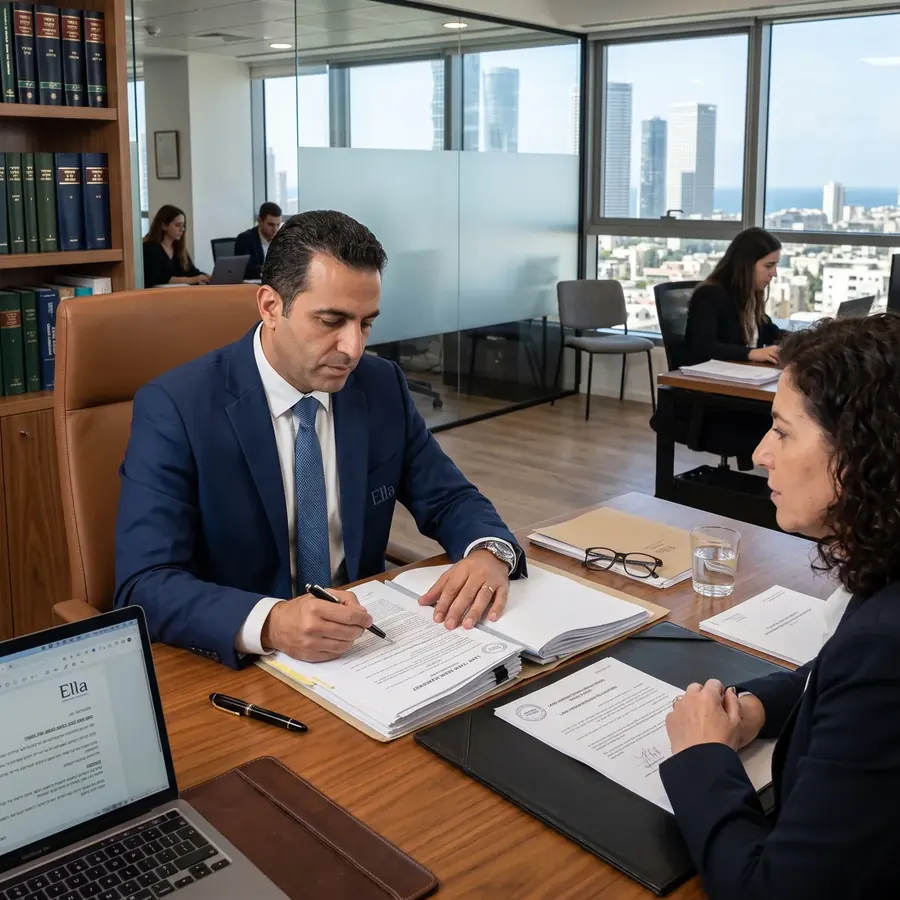





Israel’s unique geological location and rapid urban development have made seismic reinforcement and urban renewal initiatives paramount. Among these, Tama 38 projects stand out as a cornerstone of national policy, designed to fortify existing buildings against earthquakes while simultaneously revitalizing urban landscapes. For property owners, foreign investors, and those considering relocating to Israel, understanding the intricacies of Tama 38 is not merely beneficial—it is essential for safeguarding investments and maximizing property value.
At our firm, we specialize in providing comprehensive legal counsel for all aspects of Tama 38 projects (Seismic Reinforcement and Urban Renewal). Our expertise ensures that every client, whether an individual homeowner, a group of tenants, or an international developer, navigates these complex processes with clarity, confidence, and optimal legal protection. We are committed to transforming potential challenges into successful opportunities, leveraging our deep understanding of Israeli real estate law and local regulations.
Understanding Tama 38: The Legal Framework and Its Evolution
Tama 38, officially known as the National Outline Plan 38 (תכנית מתאר ארצית 38), was first approved in 2009 with the primary goal of strengthening older residential buildings against seismic activity. Many buildings in Israel, particularly those constructed before 1996, were not built to modern earthquake standards. Tama 38 offers a framework that incentivizes property owners to reinforce their buildings by allowing for additional construction rights, such as adding floors, balconies, and safe rooms (mamad).
The plan has undergone several amendments and revisions since its inception, reflecting the evolving needs of urban planning and the real estate market. These amendments have aimed to streamline processes, address implementation challenges, and provide greater flexibility for various types of projects. Understanding these legal evolutions is crucial, as they directly impact the scope, feasibility, and profitability of any Tama 38 undertaking. Our legal team stays abreast of every regulatory change, ensuring our advice is always current and strategically sound.
Key Objectives of Tama 38
- Seismic Reinforcement: The core objective is to enhance the structural integrity of buildings, making them resistant to earthquakes.
- Urban Renewal: By allowing additional construction, Tama 38 contributes to modernizing older neighborhoods, improving infrastructure, and increasing housing supply.
- Increased Property Value: Reinforced and renovated buildings often see a significant increase in market value, benefiting property owners.
- Enhanced Quality of Life: Projects often include upgrades to common areas, new elevators, and improved accessibility, enhancing residents' living standards.
Consult Our Real Estate Legal Experts Today
★★★★★ 4,9/5 · 127 client reviewsTypes of Tama 38 Projects: Pinui‑Binui vs. TAMA 38/2 (Demolition and Reconstruction) and TAMA 38/1 (Reinforcement and Addition)
Tama 38 encompasses two primary types of projects, each with distinct legal and practical implications. The choice between them depends on the building's condition, the desires of the property owners, and the specific zoning regulations of the municipality, such as Tel Aviv (60000) or Jerusalem (91000).
TAMA 38/1 (Reinforcement and Addition)
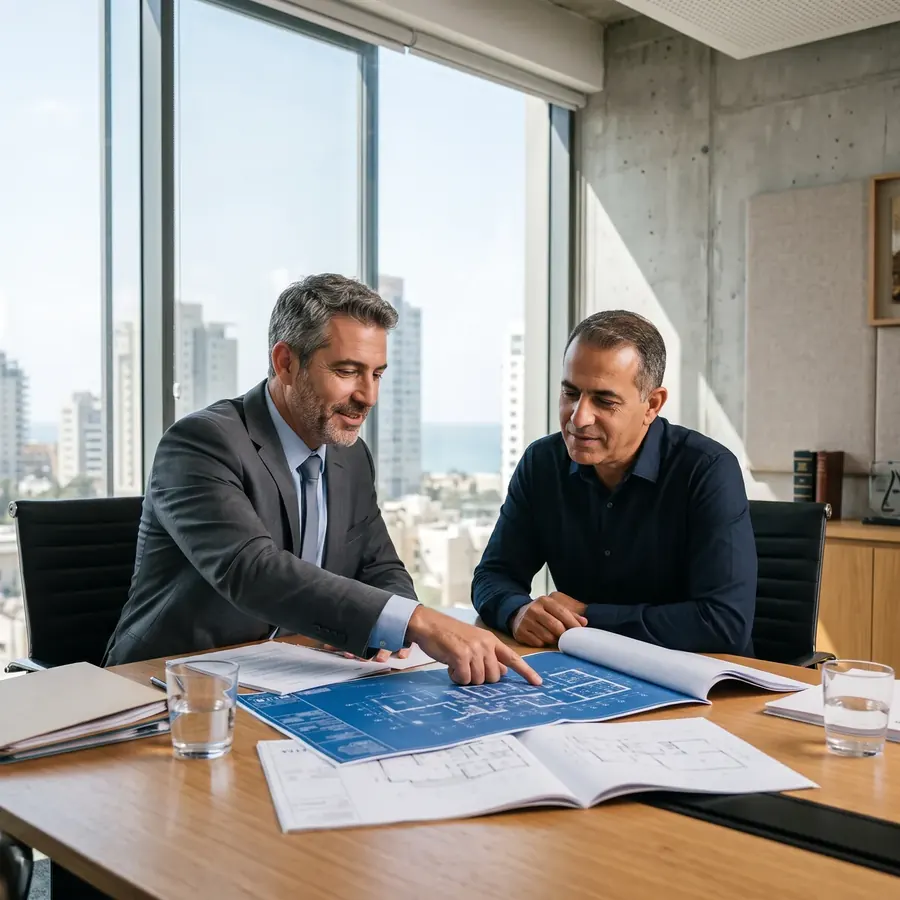
This type of project involves strengthening the existing structure of a building and adding new elements. This can include:
- Reinforcing columns and foundations.
- Adding safe rooms (mamad) to each apartment.
- Expanding existing apartments with balconies.
- Adding new floors with additional apartments.
- Installing new elevators and improving building facades.
In a Tama 38/1 project, the existing residents remain in their apartments during the construction period, which can sometimes be disruptive but generally shorter than demolition and reconstruction. The developer finances the reinforcement and additions in exchange for the rights to build and sell the new apartments.
TAMA 38/2 (Demolition and Reconstruction - Pinui‑Binui)
Known colloquially as "Pinui‑Binui" (evacuation‑construction), this is a more extensive urban renewal project. It involves the complete demolition of an old, non‑earthquake‑resistant building and the construction of a new, larger, and modern building in its place. The new building typically includes more apartments than the original, often with improved standards and amenities.
- Existing tenants receive new, larger apartments in the rebuilt structure, often with added features like balconies, safe rooms, and parking.
- During the construction period, residents are temporarily relocated to rental apartments, the cost of which is typically covered by the developer.
- This option is often preferred for buildings in very poor condition or where the potential for additional construction rights makes a full rebuild more economically viable.
The legal complexities for both types are substantial, involving intricate agreements between developers, property owners, and local authorities. Our firm meticulously drafts and reviews these agreements, safeguarding our clients' interests at every stage.
| Feature | Tama 38/1 (Reinforcement and Addition) | Tama 38/2 (Demolition and Reconstruction) |
|---|---|---|
| Scope of Work | Structural reinforcement, addition of floors/balconies/safe rooms. Existing building remains. | Complete demolition of old building, construction of entirely new building. |
| Tenant Relocation | Generally, tenants remain in their apartments during construction. | Tenants are temporarily relocated to rental apartments, developer covers costs. |
| Construction Duration | Typically shorter, less disruptive to daily life. | Longer duration, significant disruption due to full demolition and new construction. |
| Economic Viability | Suitable for buildings with good basic structure, limited additional rights. | Often more viable for older, dilapidated buildings with high potential for new units. |
| Property Value Impact | Significant increase due to reinforcement and additions. | Substantial increase due to new, modern building and amenities. |
| Legal Complexity | Complex, focusing on rights allocation and construction permits. | Highly complex, involving relocation, new construction permits, and detailed tenant agreements. |
Consult Our Real Estate Legal Experts Today
★★★★★ 4,9/5 · 127 client reviewsKey Legal Challenges and Pitfalls in Tama 38 Projects
While Tama 38 offers immense benefits, the path to project completion is often fraught with legal challenges. These can arise at various stages, from initial agreement negotiations to construction and post‑completion issues. Anticipating and mitigating these pitfalls requires seasoned legal expertise.
Consensus Among Property Owners
A significant hurdle is achieving the necessary consensus among property owners. Tama 38/1 requires a majority of 60% of apartment owners to agree, while Tama 38/2 typically requires 80% or more, depending on the specific circumstances and amendments to the law. Disagreements over terms, compensation, or even the choice of developer can stall or derail a project. Our firm specializes in mediating disputes and structuring agreements that address the diverse interests of all parties, facilitating the required consensus. Ella can provide valuable insights into managing multi‑owner projects.
Permitting and Bureaucracy
Navigating the Israeli planning and building committees can be a lengthy and complex process. Obtaining the necessary permits involves numerous submissions, reviews, and approvals from various municipal departments in cities like Haifa (31000) or Beersheba (84000). Delays in this stage are common and can significantly impact project timelines and costs. Our lawyers are adept at managing these bureaucratic procedures, ensuring all documentation is accurate and submitted efficiently, minimizing potential hold‑ups.
Developer Agreements
The agreement with the developer is the cornerstone of any Tama 38 project. These contracts are often lengthy and contain numerous clauses regarding construction specifications, timelines, guarantees, compensation for tenants, and the allocation of additional construction rights. Property owners must ensure these agreements are fair, transparent, and fully protect their interests. We provide rigorous review and negotiation of developer agreements, identifying potential risks and ensuring favorable terms for our clients.
Financing and Guarantees
Ensuring the financial stability of the project and securing appropriate guarantees from the developer are critical. Property owners need assurances that the developer has the financial capacity to complete the project and that there are mechanisms in place to protect them in case of unforeseen circumstances or developer default. This includes examining bank guarantees, performance bonds, and other financial safeguards. Our legal team meticulously assesses these aspects, providing peace of mind to our clients.
Consult Our Real Estate Legal Experts Today
★★★★★ 4,9/5 · 127 client reviewsNavigating the Stakeholder Landscape: Developers, Tenants, and Local Authorities
A successful Tama 38 project (Seismic Reinforcement and Urban Renewal) is a delicate balance between the interests of multiple stakeholders. Each party has distinct goals and concerns, and effective legal representation is crucial for harmonizing these interests and driving the project forward.
For Property Owners/Tenants
For existing property owners, Tama 38 represents an opportunity to significantly improve their living conditions and property value without direct financial investment. However, it also involves temporary disruption, complex decision‑making, and reliance on a developer. Our role is to empower property owners by:
- Explaining their rights and obligations clearly.
- Negotiating favorable terms for their new apartments or temporary housing.
- Ensuring transparency regarding construction timelines and specifications.
- Protecting against potential developer non‑compliance.
For Developers
Developers undertake Tama 38 projects to acquire additional construction rights, which they then sell for profit. Their interest lies in efficient project execution, minimizing costs, and maximizing the number of salable units. We assist developers by:
- Structuring clear and enforceable agreements with property owners.
- Navigating complex permitting processes.
- Mitigating legal risks throughout the project lifecycle.
- Ensuring compliance with all relevant laws and regulations.
Local Authorities
Municipalities and planning committees play a pivotal role in approving and overseeing Tama 38 projects. Their concerns include urban planning, public infrastructure, and adherence to building codes. Our firm facilitates smooth interactions with local authorities, such as those in Herzliya (46100) or Ashdod (77100), ensuring that project plans align with municipal requirements and that all necessary approvals are obtained efficiently. We can also consult with experts from Ella for specialized planning advice.
Consult Our Real Estate Legal Experts Today
★★★★★ 4,9/5 · 127 client reviewsOur Approach: Comprehensive Legal Support for Your Tama 38 Journey
Our firm provides end‑to‑end legal services for Tama 38 projects (Seismic Reinforcement and Urban Renewal), tailored to the unique needs of each client. Our proactive and meticulous approach ensures that you are well‑informed and protected at every step.
Initial Consultation and Feasibility Assessment
We begin with a thorough evaluation of your specific situation, whether you are a property owner group or a developer. This includes assessing the legal feasibility of a Tama 38 project for your building, reviewing existing documentation, and providing a clear overview of the process, potential benefits, and challenges.
Negotiation and Agreement Drafting
This is a critical phase. We represent your interests in all negotiations with developers, property owners, and other stakeholders. Our expertise in drafting and reviewing complex legal agreements ensures that all terms are fair, transparent, and legally sound, covering aspects such as:
- Detailed construction plans and specifications.
- Timelines for project completion.
- Financial guarantees and payment schedules.
- Compensation for temporary relocation (for Tama 38/2).
- Allocation of new apartments and shared spaces.
- Dispute resolution mechanisms.
Permitting and Regulatory Compliance
We manage the entire permitting process, from preparing and submitting applications to representing you before local planning committees and authorities. Our goal is to expedite approvals and ensure full compliance with all Israeli building codes and regulations, minimizing delays and legal complications.
Ongoing Project Oversight and Dispute Resolution
Our involvement doesn't end once agreements are signed. We provide ongoing legal oversight throughout the construction phase, addressing any issues that may arise, such as changes in plans, construction defects, or contractor disputes. Should conflicts emerge, we are skilled in mediation and, if necessary, litigation, to protect your rights and ensure the project progresses as agreed. Our collaboration with Ella allows us to offer integrated solutions for complex disputes.
Consult Our Real Estate Legal Experts Today
★★★★★ 4,9/5 · 127 client reviewsMaximizing Value and Minimizing Risks: A Strategic Legal Perspective
For any real estate endeavor in Israel, especially those as significant as Tama 38, strategic legal counsel is not just an expense—it is an investment that yields substantial returns by maximizing value and mitigating risks. Our firm's approach is centered on proactive problem‑solving and long‑term client success.
Value Maximization
We help clients understand and leverage the full potential of Tama 38. For property owners, this means securing the best possible terms for their renovated or new apartments, including upgrades, additional space, and improved amenities. For developers, it involves optimizing construction rights and navigating regulatory frameworks to ensure project profitability.
Risk Mitigation
The inherent complexities of Tama 38 projects (Seismic Reinforcement and Urban Renewal) carry various risks, from construction delays and cost overruns to legal disputes and unforeseen regulatory changes. Our meticulous legal due diligence and expert contract negotiation are designed to identify and mitigate these risks before they escalate. We ensure that all agreements include robust protection clauses and contingency plans.
| Stage | Description | Our Legal Role |
|---|---|---|
| Initial Assessment | Feasibility study, preliminary discussions among owners/developer. | Legal advice on feasibility, owner consensus requirements, initial legal review. |
| Developer Selection & Negotiation | Choosing a developer, negotiating project terms, signing initial agreements. | Drafting/reviewing MOUs, negotiating deal terms, ensuring owner protection. |
| Permitting & Planning | Submitting plans to municipal authorities, obtaining building permits. | Managing permit applications, liaising with planning committees, addressing objections. |
| Construction Phase | Physical construction, site management, quality control. | Overseeing contract compliance, mediating disputes, addressing unforeseen legal issues. |
| Project Completion & Handover | Final inspections, registration of new rights, apartment handover. | Ensuring legal registration, addressing defects liabilities, final settlement. |
Consult Our Real Estate Legal Experts Today
★★★★★ 4,9/5 · 127 client reviewsTop 5 Considerations Before Engaging in a Tama 38 Project
- Achieving Owner Consensus: Understand the legal majority required and prepare for potential disagreements. Early, transparent communication is key.
- Choosing the Right Developer: Vet developers thoroughly, checking their track record, financial stability, and reputation. A robust legal agreement is paramount.
- Understanding the Agreement Terms: Do not sign any agreement without a comprehensive legal review. Pay close attention to timelines, specifications, guarantees, and compensation.
- Navigating Municipal Bureaucracy: Be prepared for a potentially lengthy permitting process. Expert legal guidance can significantly streamline this stage.
- Financial Guarantees: Ensure the developer provides strong financial guarantees to protect property owners throughout the project, especially for relocation costs and project completion.
Engaging in a Tama 38 project (Seismic Reinforcement and Urban Renewal) in Israel is a momentous decision with far‑reaching implications. Whether you are an individual property owner seeking to enhance your asset, a group of tenants aiming for a safer and more modern living environment, or an international investor looking to capitalize on Israel's dynamic real estate market, expert legal counsel is indispensable.
Our firm offers the professional, clear, and reliable legal support you need. We bring deep expertise in Israeli real estate law, a client‑centric approach, and a commitment to delivering tangible value. Our transparent fees and dedication to your success ensure that your Tama 38 journey is as smooth and rewarding as possible.
Are you ready to explore the possibilities of a Tama 38 project for your property in Israel? Contact us today for a confidential consultation. We are here to guide you through every legal intricacy, ensuring your investment is secure and your objectives are realized.