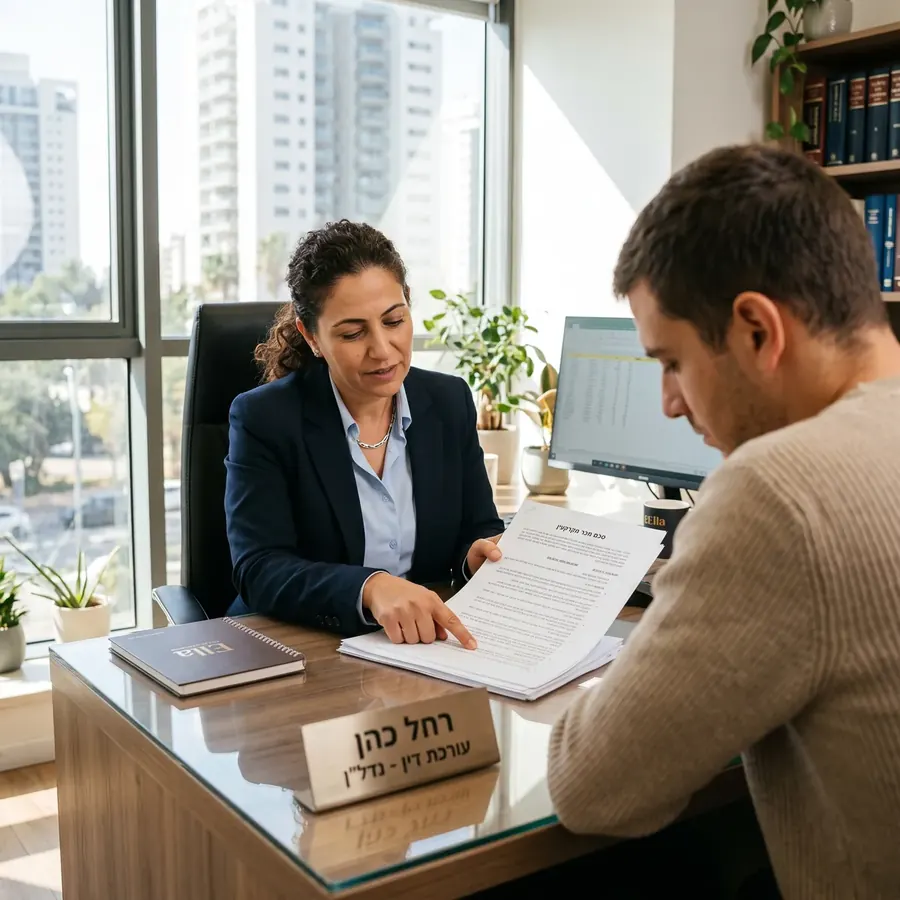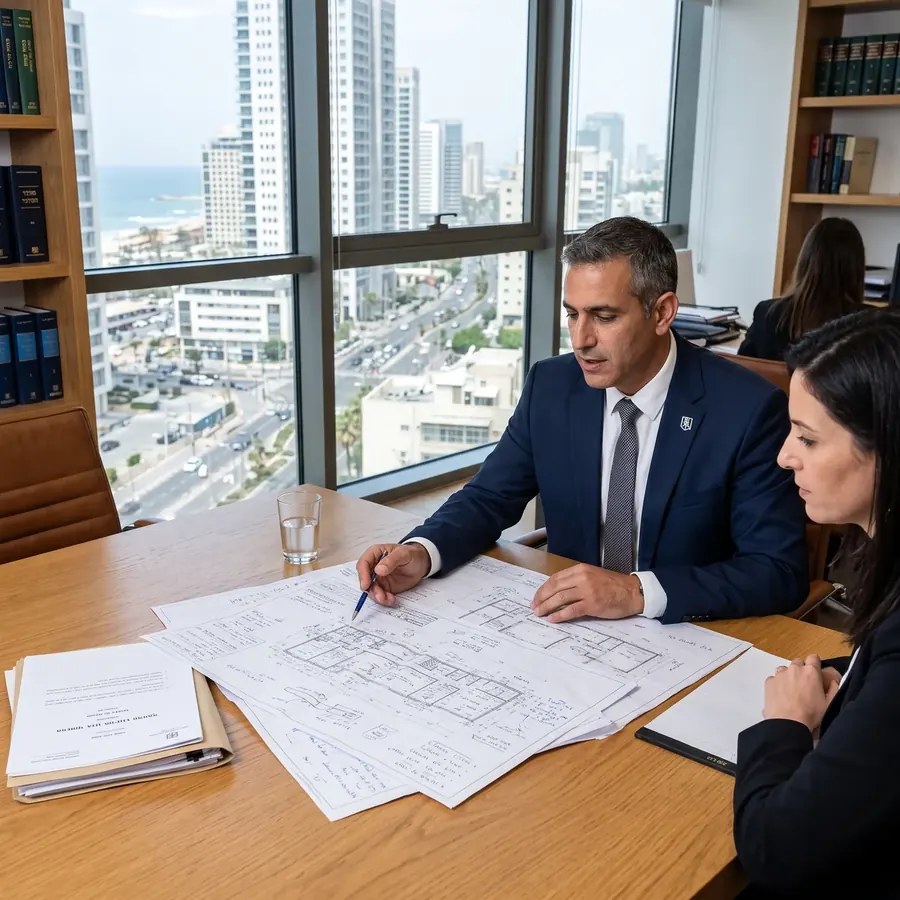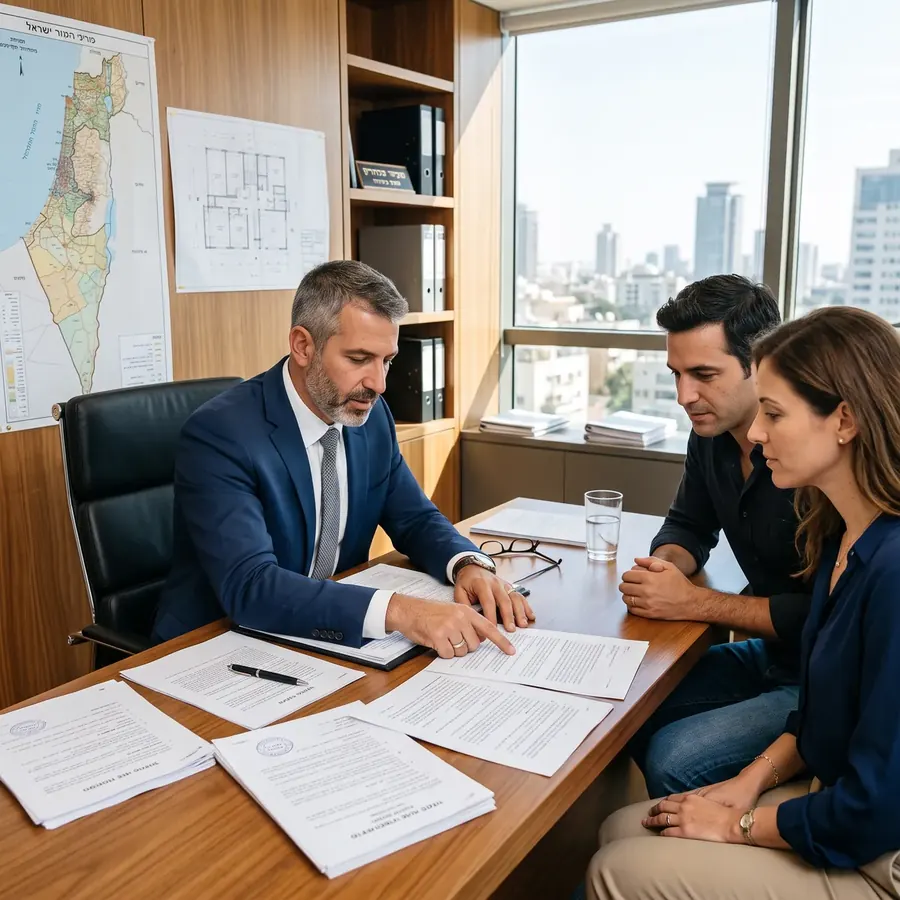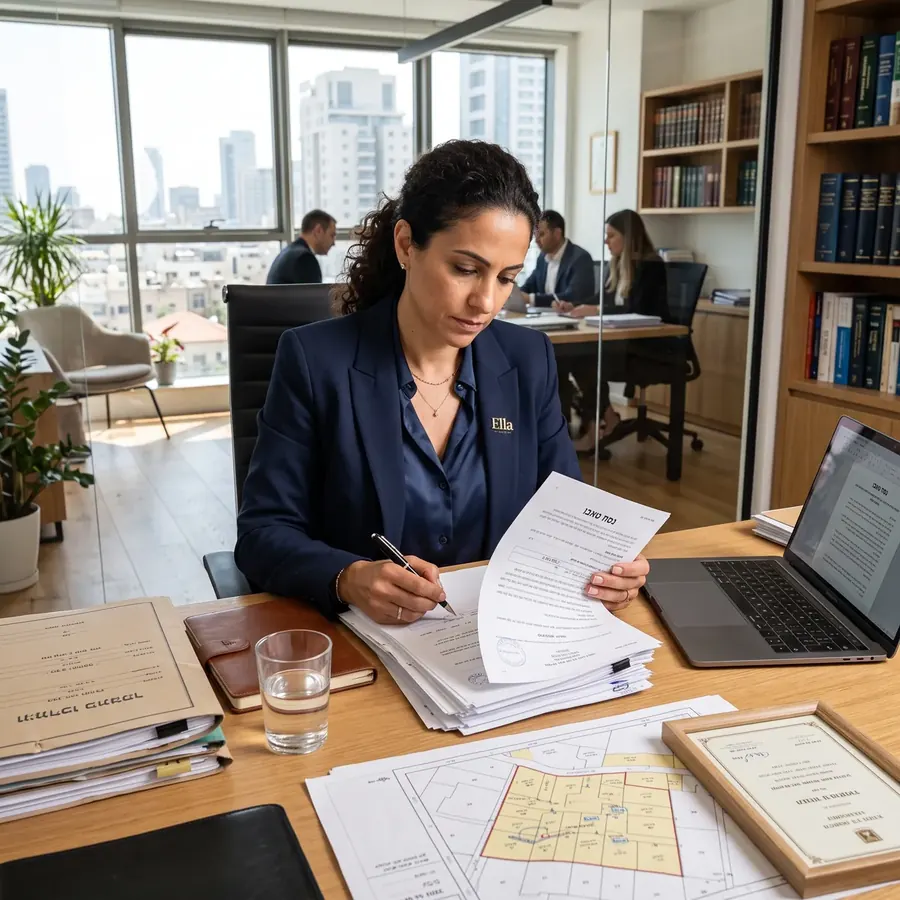




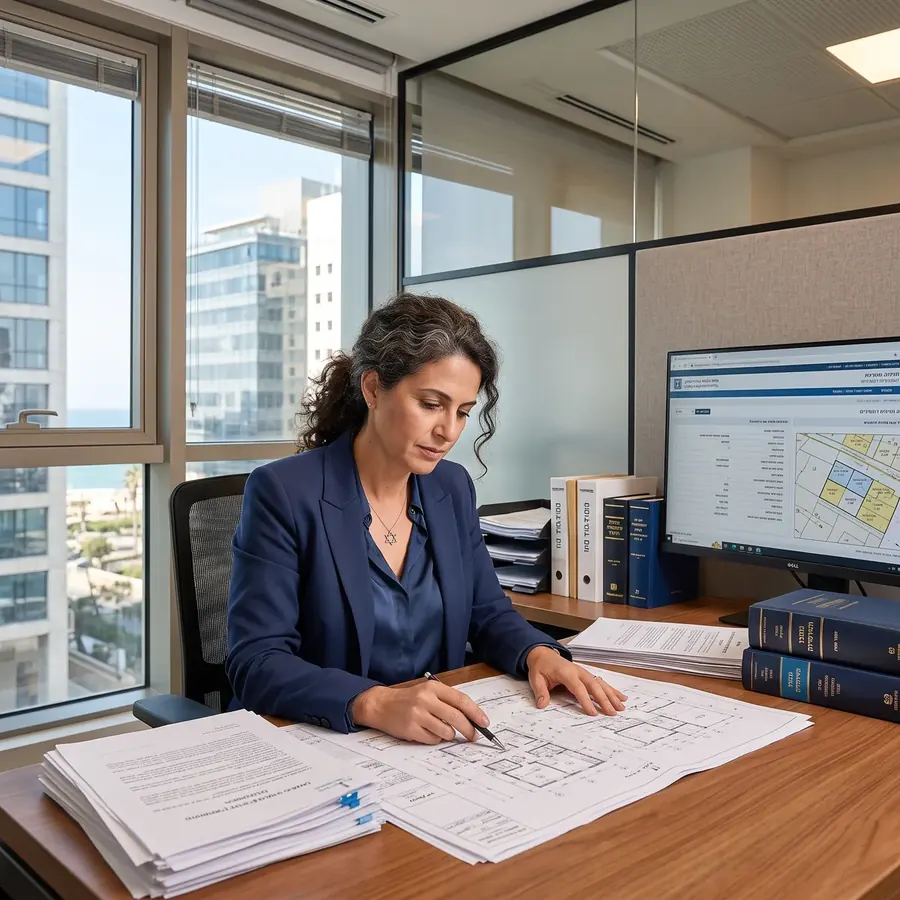
Investing in Israeli real estate offers immense opportunities, but it also comes with a unique set of legal complexities. For international English‑speaking buyers, sellers, and investors, understanding the intricacies of local regulations is not just advisable—it's absolutely essential. Among the most critical aspects of any property transaction in Israel is the Thorough Verification of Building Permits (Heter Bniya). This process is the cornerstone of a secure and compliant real estate investment, safeguarding you from significant financial and legal liabilities down the line.
In Israel, a building permit, known in Hebrew as a Heter Bniya (or Rishuy Bniyah), is a formal authorization issued by the local planning and construction committee. It is mandatory for virtually every type of construction, expansion, or significant renovation, and even for changing the designated use of a property. Without proper permits, any construction is considered illegal, and the consequences can be severe for property owners. Our firm, led by Ella, specializes in providing the meticulous legal due diligence required to navigate this demanding regulatory landscape, ensuring your peace of mind.
The Critical Importance of Building Permit Verification in Israel
In Israel, the legal framework governing real estate is rigorous. The Planning and Building Law of 1965 mandates that all construction, expansion, or significant renovation work must first secure a building permit. This permit confirms that proposed works comply with zoning requirements, structural safety standards, fire prevention measures, and other critical guidelines. Neglecting this verification can lead to unforeseen complications that impact your investment's value and legality.
The burden of verification in Israeli real estate transactions falls squarely on the buyer. This means that before you commit to any purchase, a comprehensive legal audit of the property is paramount. This audit must cover not only registered title and encumbrances but also the property's complete planning history and, crucially, its building permits. Failure to conduct this thorough due diligence can expose you to significant risks, including financial penalties, demolition orders, and difficulties in selling or mortgaging the property in the future.
For instance, many properties in Israel, particularly older ones, may have undergone renovations or additions without the necessary permits. An enclosed balcony, an extra room, or a converted storeroom that lacks a permit is considered illegal construction (chariga bniya). Under Israeli law, an unpermitted addition is treated as a continuing offense with no time limit, and the demolition order or fine attaches to the property itself, not just to the person who built it. This means that if you purchase a property with such violations, the problem becomes yours the moment the deal closes.
Secure Your Israeli Property Investment Today
★★★★★ 4,9/5 · 127 client reviewsUnderstanding the Israeli Building Permit (Heter Bniya) Landscape
The Israeli building permit process is managed by the Local Planning and Building Committee (Vada Mekomit), which is the planning institution of the local authority where the property is located. This process is known for being exhaustive, lengthy, and bureaucratic, though efforts have been made to streamline it. For international investors, navigating this system without expert guidance can be incredibly challenging.
A Heter Bniya (building permit) is required for a wide range of activities, including:
- New construction of any kind (houses, apartment complexes, commercial buildings).
- Extensions and additions (new rooms, garages, balconies, protected rooms like MAMAD).
- Structural changes (removing/adding load‑bearing walls, altering foundations).
- Changing the designated use of a property (e.g., residential to commercial).
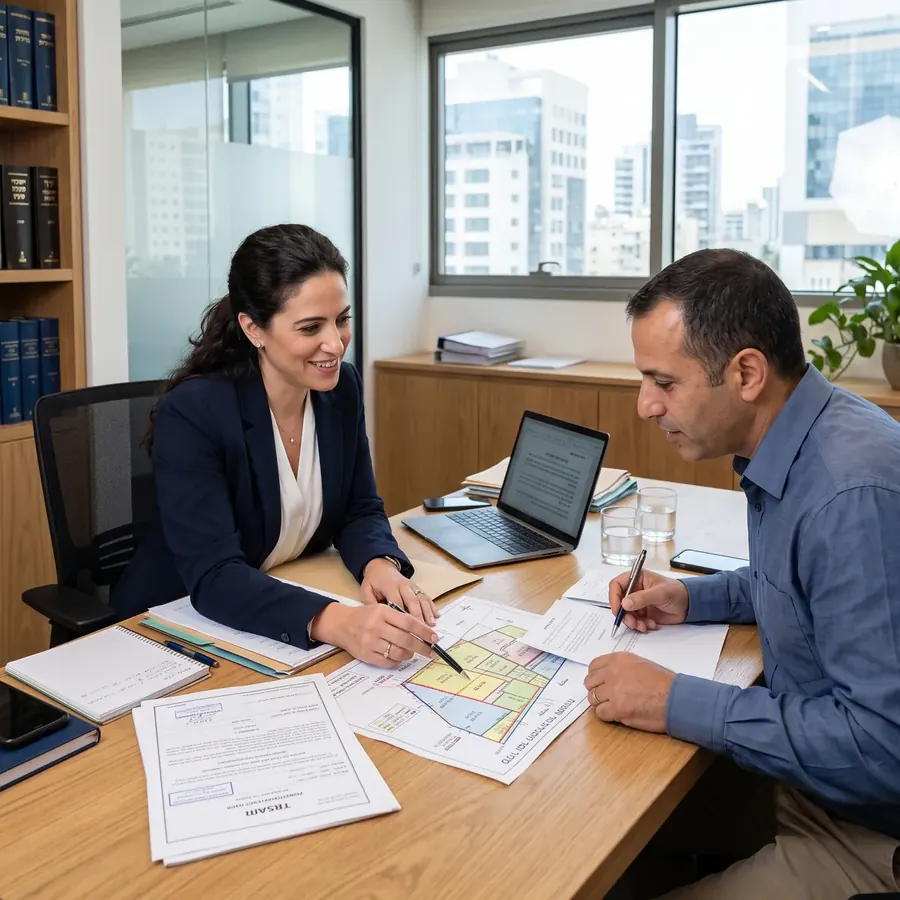
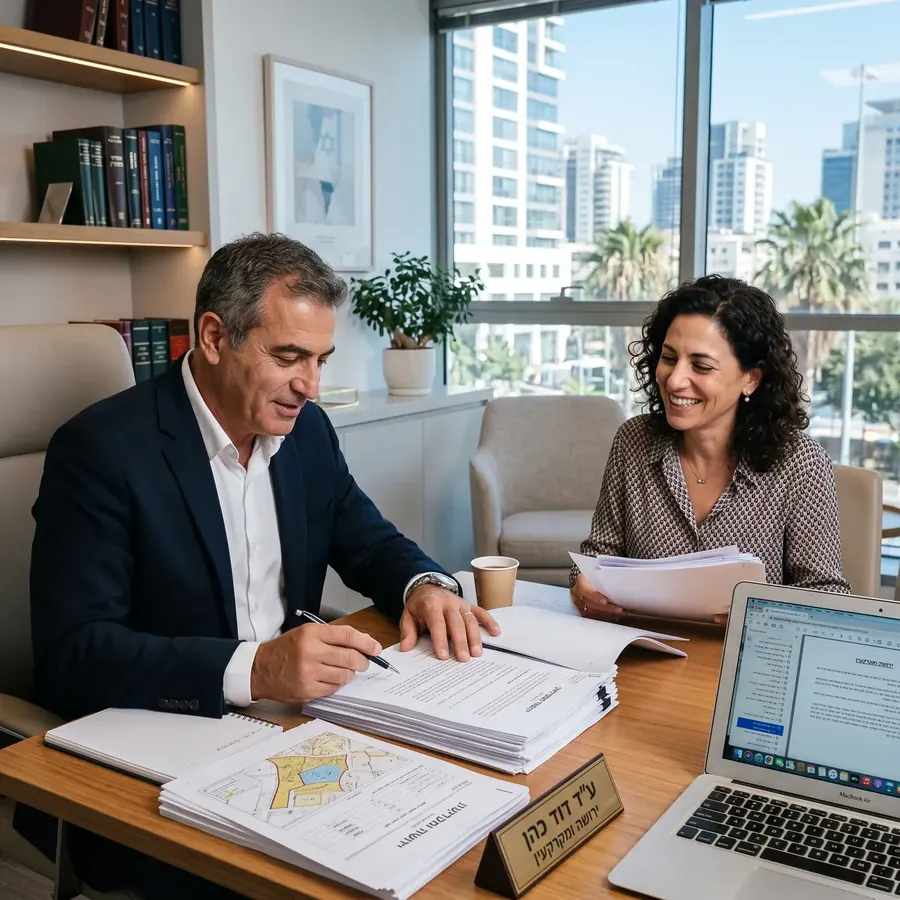
Even minor works may require consultation with the local planning committee to confirm eligibility for exemptions. An essential document to obtain early in the process is an official "Information for Permit" (Tik Meida) from the municipality. This file contains all relevant planning information, existing plans, building rights, and a list of entities from which approvals must be obtained.
Upon completion of construction, an Occupancy Permit (Form 4 or Tofes 4) is issued by the local municipality, certifying that the building was completed according to the approved permit and is fit for occupancy and utility connection. A building without a valid Tofes 4 cannot legally be used, and banks typically will not lend on it.
Secure Your Israeli Property Investment Today
★★★★★ 4,9/5 · 127 client reviewsRisks Associated with Unverified Building Permits
The risks of acquiring property in Israel without thoroughly verifying its building permits are substantial and can lead to significant financial loss and legal complications. These risks underscore the necessity of expert legal counsel.
Table 1: Key Risks of Unverified Building Permits in Israeli Real Estate
| Risk Category | Description | Potential Consequences |
|---|---|---|
| Demolition Orders & Fines | Local municipalities can issue demolition orders for unpermitted constructions, even if built by previous owners. | Loss of investment in illegal structures, hefty fines (NIS 8,000 to NIS 300,000 or more, depending on scale), criminal liability in serious cases. |
| Mortgage & Financing Issues | Banks' appraisers only value the legally permitted area of a property. Unpermitted additions are valued at zero. | Reduced mortgage amount, requiring buyers to cover a larger cash gap; potential for the deal to collapse. |
| Difficulty Selling Property | Buyers are legally required to disclose unpermitted construction to prospective buyers. | Property becomes significantly harder to sell, potential for lower sale price, or deal termination. |
| Legal Disputes & Lawsuits | Neighbors or prospective buyers can sue for illegal construction. Disputes over building rights are common. | Costly litigation, delays, and potential compensation payments. |
| Occupancy & Use Restrictions | Lack of a valid Tofes 4 (Occupancy Permit) means a building cannot legally be used or connected to utilities. | Inability to occupy or rent out the property, municipal enforcement actions. |
| Tax Implications | Unpermitted additions may lead to unexpected betterment levies (hetel hashbacha) or other municipal taxes. | Increased financial burden post‑purchase. |
It's crucial to understand that in Israel, there is no statute of limitations on illegal construction. A violation from decades ago can still result in a demolition order or substantial fines today. This makes the historical review of building permits and compliance an absolute necessity, especially for older properties in areas like Tel Aviv (61400) or Jerusalem (91000).
Secure Your Israeli Property Investment Today
★★★★★ 4,9/5 · 127 client reviewsThe Due Diligence Process for Building Permits
A thorough verification of building permits is an integral part of comprehensive legal due diligence in Israeli real estate transactions. Our approach ensures every detail is meticulously examined.
Table 2: Key Steps in Building Permit Due Diligence
| Step | Description | Purpose |
|---|---|---|
| Obtain Building File (Tik Binyan) | Request the complete building file from the local planning committee for the exact property address. This includes original approved plans and permit history. | To establish the baseline of legally permitted construction and identify any historical deviations. |
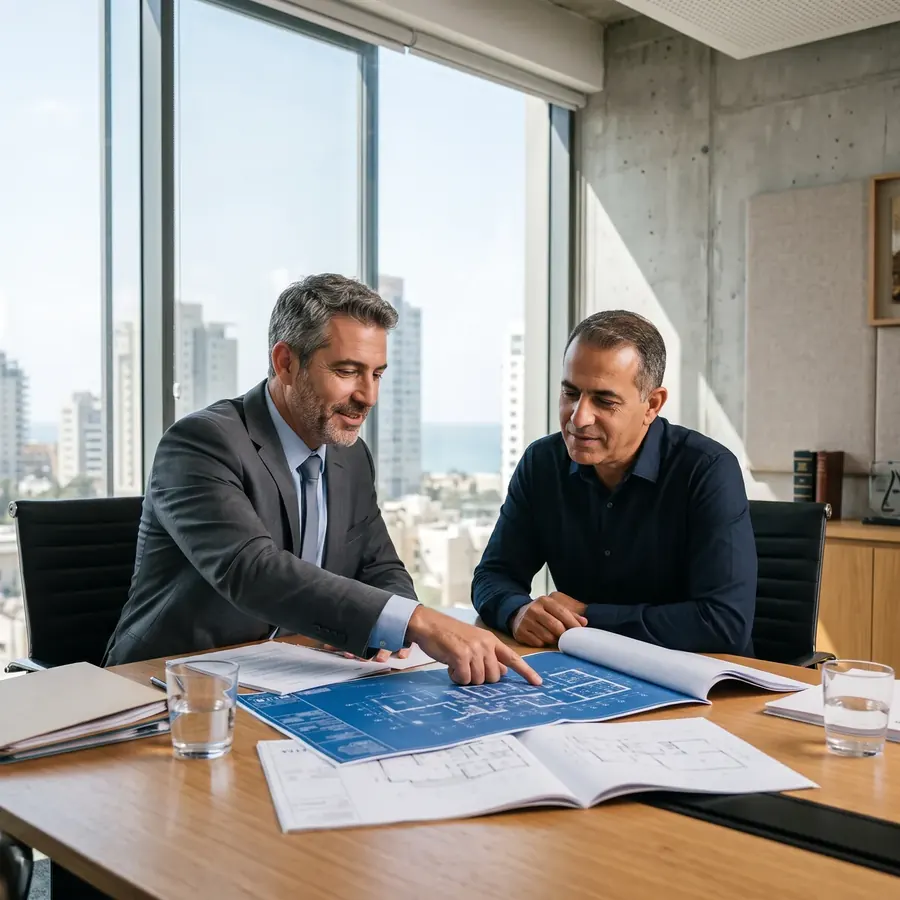
| Compare Plans to Reality | A licensed engineer or architect physically measures the property and compares it against the approved plans. Every discrepancy (e.g., enclosed balconies, added rooms, converted storage) is noted. | To identify all unpermitted additions or structural changes. |
| Verify Occupancy Permit (Tofes 4) | Confirm the existence and validity of the Tofes 4, ensuring it covers all existing structures and additions. | To ensure the property is legally fit for occupancy and connected to utilities. |
| Check Zoning and Use Compliance | Confirm that the property's actual use matches its permitted zoning classification (TABA). | To ensure no violations exist regarding the property's designated purpose. |
| Review Attached Rights | Verify that any attached areas (e.g., roof rights, parking spots, storage rooms, gardens) are legally registered to the unit, not just "included" in the listing. | To prevent future disputes over common property or unallocated rights. |
| Inquire About Enforcement Files | Check with the local committee for any open enforcement files, demolition orders, or administrative proceedings against the property. | To uncover any ongoing legal issues that could affect the buyer. |
This systematic approach is critical. For instance, in a city like Haifa (31000), where urban renewal projects are common, understanding the original permits versus current structures can be particularly complex. Similarly, in Ashdod (77000), new developments require careful scrutiny of developer permits and land registration status to ensure all protections under Israeli law are in place.
Secure Your Israeli Property Investment Today
★★★★★ 4,9/5 · 127 client reviewsThe Role of a Real Estate Lawyer in Building Permit Verification
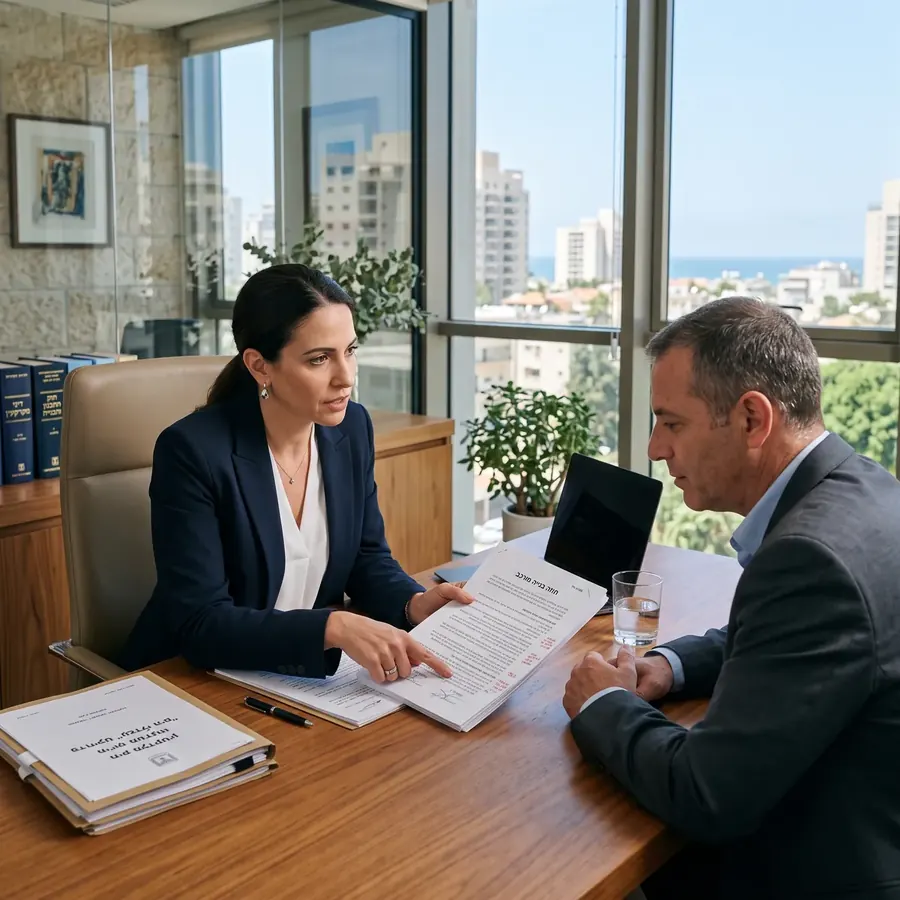
Navigating the complexities of Israeli real estate law, especially concerning building permits, necessitates the expertise of a seasoned real estate lawyer. Our firm provides invaluable support throughout this intricate process.
An experienced real estate lawyer acts as your primary advocate, conducting comprehensive legal due diligence to identify and neutralize risks before you commit. This includes:
- Expert Document Review: Scrutinizing all legal paperwork, ownership proofs, city permits, and bank guarantees to ensure they match and are legally sound.
- Risk Identification: Uncovering potential legal issues, regulatory violations, or contractual obligations that could impact your investment.
- Compliance Assurance: Verifying that the property was built in accordance with approved permits and that no open enforcement proceedings or building code violations exist.
- Negotiation and Contract Drafting: Ensuring that any discrepancies or issues found during verification are properly addressed in the purchase agreement, protecting your interests.
- Coordination with Authorities: Managing the permit process with local authorities and committees, which can be time‑consuming and bureaucratic.
For international clients, our firm bridges the gap by providing clear communication in English, translating complex legal terminology and procedures, and acting under an irrevocable power of attorney to manage every step of the process on your behalf, without requiring your constant physical presence in Israel. This comprehensive representation ensures that your acquisition is secure and corresponds to the legal and physical reality you expect.
Secure Your Israeli Property Investment Today
★★★★★ 4,9/5 · 127 client reviewsTop 5 Critical Documents for Building Permit Verification
To ensure a thorough verification of building permits, several key documents must be meticulously examined. Missing or inconsistent information in any of these can signal significant issues.
- Building Permit (Heter Bniya) and Approved Plans: These are the foundational documents, outlining what was legally approved for construction. They define the legal walls, rooms, and attached areas of the property.
- Occupancy Certificate (Tofes 4): This certificate confirms that the building was completed in accordance with the approved permit and is fit for occupancy and utility connection. Without it, a new build is legally unfinished.
- Tabu Extract (Nesach Tabu): The official land registry document, identifying the registered owner, block and parcel numbers, and any registered rights, mortgages, or liens. While not directly a permit, it's crucial for confirming legal ownership and associated rights.
- Local Detailed Plan (TABA - Tochnit Binyan VeIshur): This zoning plan determines how a property may be developed, including permitted land uses, building rights, and height limitations. It is essential for understanding the property's development potential and restrictions.
- Information for Permit (Tik Meida): A document from the municipality containing all relevant planning information for the area, including existing plans, building rights, required building lines, and a list of necessary approvals from various entities.
Our firm systematically gathers and analyzes these documents, often working with licensed architects and engineers to ensure a complete picture of the property's legal status. This comprehensive approach is vital in identifying any discrepancies that could lead to future legal or financial problems.
For example, a property in Herzliya (46100) might appear ideal, but a deep dive into the Tik Binyan could reveal that a significant extension was built without a permit in the 1990s. Similarly, in Netanya (42000), verifying the Tofes 4 for an older apartment building is critical, as many older Israeli commercial buildings, and even residential ones, may lack a valid occupancy permit for certain additions.
Secure Your Israeli Property Investment Today
★★★★★ 4,9/5 · 127 client reviewsNavigating Retroactive Legalization and Unpermitted Additions
Many foreign residents purchasing real estate in Israel encounter properties with illegal extensions or modifications. This phenomenon stems from various factors, including the complicated and lengthy process for obtaining building rights and permits, and the costs involved. While illegal construction is a serious matter, in some cases, it may be possible to obtain a building permit retroactively to legalize the unpermitted area.
The process of retroactive legalization typically involves:
- Consultation with Professionals: Engaging a licensed architect or engineer to determine if legalization is a realistic possibility, often depending on current zoning rules (TABA).
- Preparation of "As‑Built" Plans: The professional will prepare detailed plans reflecting the existing, unpermitted construction.
- Submission to Local Committee: The application, along with ownership proof and zoning maps, is submitted through the national online system to the local planning committee.
- Review and Approval: The committee reviews the application, which can take several months to over a year, depending on the municipality.
- Payment of Fees and Levies: If approved, the owner will be required to pay various municipal fees and potentially a betterment levy (hetel hashbacha).
It's important to note that not all unpermitted work can be regularized. In some instances, the construction may fundamentally violate zoning regulations, making legalization impossible. The costs associated with legalization can also be substantial, ranging from tens of thousands of Shekels for professional and municipal fees, with larger or more complex cases reaching hundreds of thousands. Our firm helps clients assess the feasibility and cost implications of retroactive legalization, advising on the best course of action.
Secure Your Israeli Property Investment Today
★★★★★ 4,9/5 · 127 client reviewsConclusion: Your Trusted Partner in Israeli Real Estate
Acquiring property in Israel is a significant undertaking, often representing a personal milestone and a strategic financial decision. The complexities of Israeli real estate law, particularly concerning the Thorough Verification of Building Permits (Heter Bniya), demand meticulous attention to detail and expert legal guidance. From understanding land ownership structures—where over 93% of land is publicly owned and administered by the Israel Land Authority (ILA)—to navigating intricate planning regulations and tax implications, every step carries consequences if mishandled.
Our firm is dedicated to providing seamless legal guidance throughout the entire acquisition process. We ensure that your investment is not only legally sound but also aligns perfectly with your objectives, whether you are purchasing your first home, expanding your investment portfolio, or relocating to Israel. We pride ourselves on transparent fees and clear communication, empowering you to make informed decisions based on documented facts, not assumptions.
Protect your investment and secure your future in Israeli real estate. Contact us today for a professional consultation, and let our expertise guide you through every legal intricacy.