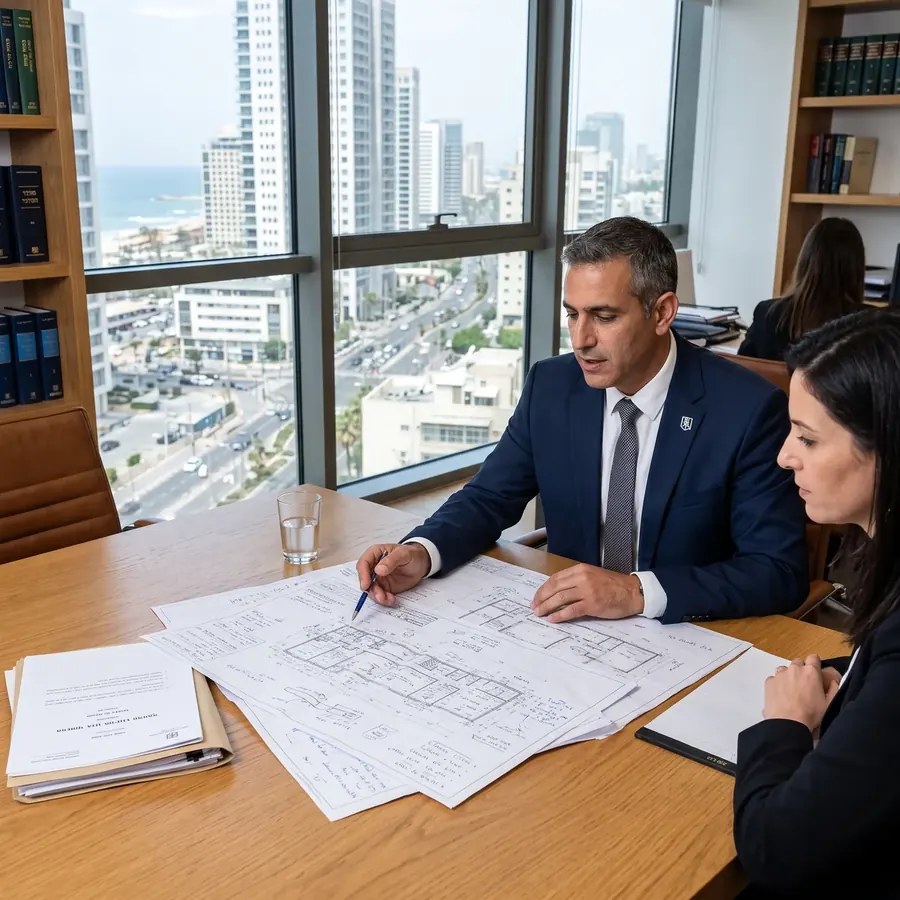





Investing in real estate in Israel, whether as an Israeli in the diaspora, a foreign investor, or a new immigrant (Oleh), offers immense opportunities. However, the complexities of property transactions demand meticulous attention to detail, especially concerning potential hidden issues that may not be immediately apparent. These are commonly known as latent defects, and understanding the legal framework surrounding them, along with applicable warranties, is paramount to safeguarding your investment. Our firm, led by Ella, specializes in Israeli real estate law, providing comprehensive guidance to ensure your property journey is secure and transparent.
The discovery of a latent defect after a property purchase can transform a dream investment into a significant legal and financial burden. Such defects are not visible upon reasonable inspection and often only manifest long after the transaction is complete. Navigating these challenges requires a deep understanding of Israeli property law, consumer protection regulations, and the specific terms of your purchase agreement. We are here to demystify these complexities, offering clear, professional, and reliable legal expertise tailored to your unique situation in Israel.
Understanding Latent Defects in Israeli Property Law
In the realm of Israeli real estate, a latent defect refers to a fault or flaw in a property that exists at the time of sale but is not discoverable through a reasonable inspection by an ordinary person. Unlike patent defects, which are visible and can be identified during a standard walkthrough, latent defects are hidden and may require specialized knowledge or intrusive investigation to uncover. Examples can range from structural weaknesses, faulty foundations, undisclosed water damage, or issues with electrical and plumbing systems that are concealed behind walls or under floors. The Israeli Sale Law, 5748‑1968, forms the cornerstone of consumer protection in this context, outlining the responsibilities of sellers and the rights of buyers.
The onus is generally on the buyer to conduct due diligence, but this expectation is tempered by the nature of latent defects. Where a defect could not have been reasonably discovered, the law often provides recourse for the buyer. This includes scenarios where the seller knew or ought to have known about the defect and failed to disclose it. The principle of "caveat emptor" (buyer beware) is present but mitigated by legal provisions designed to prevent unfair advantage and ensure transparency in property transactions. Our legal team meticulously examines all aspects of your case, from the initial purchase agreement to the manifestation of the defect, to build a robust strategy for your protection.
Key Elements Defining a Latent Defect
- Undiscoverable by Reasonable Inspection: The defect must not have been apparent to an average buyer or their inspector during a typical pre‑purchase examination.
- Existence at Time of Sale: The defect must have been present when the property was transferred, even if it only became apparent later.
- Material Impact: The defect should significantly affect the property's value, safety, or usability.
- Seller's Knowledge (or Ought to Know): While not always a prerequisite, if the seller had knowledge of the defect and concealed it, the buyer's position is significantly strengthened.
Understanding these nuances is crucial, as the legal implications can vary significantly. For instance, a minor crack in a visible wall is a patent defect, easily noted during inspection. However, a faulty drainage system buried beneath the garden that causes recurrent flooding every winter in Tel Aviv (6701101) is a classic example of a latent defect. Our firm guides clients through the investigative process, often collaborating with expert engineers and surveyors to gather the necessary evidence. We ensure that every detail is documented to support your claim, from initial discovery to formal demand letters.
Secure Your Investment: Consult Our Legal Experts Today
★★★★★ 4,9/5 · 127 client reviewsWarranties in Israeli Real Estate Transactions
Warranties serve as a critical layer of protection for buyers, providing assurances regarding the quality and condition of a purchased property. In Israel, warranties can arise from various sources: statutory law, express contractual agreements, or even implied understandings based on the nature of the transaction. For newly constructed properties, the developer typically provides a comprehensive warranty period, often mandated by the Sale (Apartments) Law (Assurance of Investment of Purchasers of Apartments) 5735‑1974. This law is designed to protect buyers of new apartments from construction defects and financial instability of developers.
For resale properties, express warranties are less common but can be negotiated and included in the purchase agreement. These might cover specific systems, appliances, or structural components for a defined period. Implied warranties, though not explicitly stated, can also apply, suggesting that the property is fit for its intended purpose and free from major undisclosed defects. Our role is to meticulously review all contractual terms, ensuring that any existing warranties are clearly defined and enforceable. We also assist in negotiating additional warranties to provide maximum protection for your investment in Israel.
Types of Warranties and Their Application
| Warranty Type | Description | Typical Application in Israel |
|---|---|---|
| Statutory Warranties | Legally mandated protections, often for new constructions, covering structural integrity and major systems for a set period. | New apartments, developers' obligations under Sale (Apartments) Law. Covers a range of defects for varying periods (e.g., structural, plumbing, electrical). |
| Express Warranties | Specific promises made by the seller or developer, explicitly written into the purchase agreement. | Can be negotiated for both new and resale properties. Might cover specific repairs or components for a defined timeframe post‑sale. |
| Implied Warranties | Unstated but legally presumed assurances that a property is fit for habitation and free from major undisclosed defects. | Primarily for resale properties, ensuring the property is generally suitable for its intended use, though often challenging to enforce without clear evidence of seller's knowledge. |
Understanding the distinction between these warranties is critical. For instance, a new apartment in Jerusalem (91000) will likely come with strong statutory warranties from the developer, whereas an older property in Haifa (3309102) might rely more on the terms negotiated in the sale contract. Our expertise ensures that whether you are buying new or old, your warranty rights are clearly understood and aggressively pursued. We understand the local market dynamics and the legal landscape, providing you with a distinct advantage.
Secure Your Investment: Consult Our Legal Experts Today
★★★★★ 4,9/5 · 127 client reviewsThe Process of Addressing Latent Defects and Warranty Claims
Upon discovering a potential latent defect, prompt and decisive action is crucial. The first step involves documenting the defect extensively with photographs, videos, and professional assessments. This evidence forms the bedrock of any subsequent legal claim. Next, formal notification must be sent to the seller or developer, detailing the defect and demanding rectification or compensation. Strict timelines often apply, particularly for statutory warranties on new builds, making timely action essential. Delay can prejudice your claim.
Should the seller or developer fail to respond adequately, legal proceedings may become necessary. This could involve mediation, arbitration, or litigation in Israeli courts. Each stage requires meticulous preparation, expert legal representation, and a clear understanding of your rights and obligations. Our firm guides you through every phase, from initial discovery to final resolution, ensuring your interests are protected at all times. We are adept at negotiating favorable settlements and, when necessary, litigating vigorously on your behalf. Our commitment is to achieve the best possible outcome for you, minimizing stress and maximizing your legal leverage.
Steps to Take When a Latent Defect is Discovered
- Immediate Documentation: Photograph and video the defect, noting dates and times.
- Professional Assessment: Engage qualified inspectors or engineers to provide an expert opinion on the defect's nature, cause, and extent.
- Review Purchase Agreement: Carefully examine your contract for clauses related to defects, disclosures, and warranties.
- Formal Notification: Send a written notice to the seller/developer, detailing the defect and demanding a remedy, within the legally stipulated timeframe.
- Legal Consultation: Seek immediate advice from a specialized real estate lawyer to understand your rights and options.
The timeline for reporting defects can be critical. For new apartments, the Sale (Apartments) Law specifies different "defect periods" (תקופת הבדק) and "warranty periods" (תקופת אחריות) for various types of defects, ranging from one year for minor issues to seven years for structural elements. Missing these deadlines can severely impact your ability to claim. For example, a plumbing defect might have a two‑year defect period, while a major structural issue could be covered for seven years. We help you navigate these complex timelines, ensuring all actions are taken promptly and correctly. Our firm works closely with you to gather all necessary documentation, including engineering reports and contractor assessments, to build an irrefutable case.
Secure Your Investment: Consult Our Legal Experts Today
★★★★★ 4,9/5 · 127 client reviewsSeller's Disclosure Obligations and Buyer's Due Diligence
In Israeli real estate, sellers have a general obligation to disclose known material defects that are not obvious to a buyer. This duty is enshrined in the Sale Law, which prohibits a seller from claiming ignorance of a defect if they knew about it and did not disclose it. This obligation is crucial, as it protects buyers from unscrupulous sellers attempting to conceal significant issues. However, the seller's duty to disclose is not absolute; it typically applies to defects they are aware of, not those they genuinely do not know about, or those that are patently obvious. The law aims to strike a balance between seller transparency and buyer responsibility.
Conversely, buyers are expected to conduct thorough due diligence before purchasing a property. This includes engaging a qualified property inspector, reviewing all available documents (such as building permits, plans, and past repair records), and making reasonable inquiries about the property's condition. While due diligence cannot uncover every latent defect, it strengthens the buyer's position by demonstrating a proactive approach to discovery. A buyer who has failed to perform reasonable due diligence may find it harder to claim against a seller for defects that could have been discovered. Our firm emphasizes the importance of comprehensive due diligence, guiding clients through every step to minimize future risks.
Comparative Table: Seller's Disclosure vs. Buyer's Due Diligence
| Aspect | Seller's Disclosure Obligations | Buyer's Due Diligence Responsibilities |
|---|---|---|
| Legal Basis | Sale Law (5748‑1968), general good faith principles, specific contractual clauses. | Common law principle of "buyer beware," practical necessity, specific contractual clauses. |
| Scope | Disclose all known material defects not apparent to the buyer. Avoid concealment or misrepresentation. | Thorough inspection of the property, review of legal documents, inquiries about property history, engage professionals. |
| Timing | Prior to signing the purchase agreement. | During the period between signing a memorandum of understanding (if any) and the final purchase agreement, or before closing. |
| Impact if Neglected | Seller may be liable for damages, rescission of contract, or specific performance if they failed to disclose known defects. | Buyer may have limited recourse for defects that could have been reasonably discovered during due diligence. |
For international buyers or Olim, navigating these dual responsibilities in a foreign legal system can be particularly challenging. Our firm acts as your trusted advisor, bridging the cultural and legal gaps. We ensure that you understand both your rights and your responsibilities, facilitating a smooth and secure transaction whether you're buying a villa in Herzliya Pituach (46761) or an apartment in Ramat Gan (52521).
Secure Your Investment: Consult Our Legal Experts Today
★★★★★ 4,9/5 · 127 client reviewsTop Considerations for Protecting Your Israeli Real Estate Investment
When dealing with latent defects and warranties in Israel, several key considerations stand out. These are the pillars of a secure and informed property transaction, designed to protect your interests from unforeseen complications. Our legal expertise is specifically geared towards maximizing these protections for our international clientele.
- Thorough Pre‑Purchase Inspection: Always engage a qualified, independent property inspector. While they may not find every latent defect, their report provides a crucial baseline and can uncover significant issues.
- Comprehensive Legal Review of Purchase Agreement: Before signing anything, have an experienced Israeli real estate lawyer review the entire contract. Pay close attention to clauses related to disclosures, "as‑is" statements, and any express warranties.
- Understanding Statutory Protections: Be aware of your rights under Israeli law, especially the Sale Law and the Sale (Apartments) Law for new constructions. These provide essential safeguards against defects.
- Clear Communication and Documentation: Maintain clear, written communication with all parties involved—sellers, developers, agents, and contractors. Document every conversation and decision.
- Prompt Action Upon Discovery: If a defect is discovered, act immediately. Document it, seek professional assessment, and formally notify the responsible party within legal timeframes.
- Expert Legal Representation: Partner with a law firm specializing in Israeli real estate, particularly one with experience in international transactions and defect claims. This is your strongest defense.
These considerations are not merely recommendations; they are essential strategies for mitigating risk and ensuring the long‑term value of your property in Israel. For example, understanding the specific warranty periods for a newly built apartment in Beer Sheva (84100) can save you significant repair costs down the line. Our firm, Ella, offers unparalleled expertise in these areas, providing proactive advice and robust representation. We pride ourselves on offering transparent fees and clear communication, ensuring you are always informed and confident in your legal strategy.
Protecting your real estate investment in Israel from latent defects and ensuring robust warranty coverage requires diligent preparation and expert legal guidance. Our firm is dedicated to providing comprehensive legal services, from initial due diligence and contract negotiation to dispute resolution and litigation. We understand the unique challenges faced by international buyers and new immigrants (Olim) and are committed to safeguarding your interests every step of the way. With our expertise, you can navigate the complexities of Israeli property law with confidence, knowing that your investment is secure. Contact us today to discuss your specific needs and learn how we can assist you in protecting your valuable assets in Israel. Ella is a trusted partner in ensuring smooth property transactions, and we often collaborate with them for comprehensive client support. Furthermore, we frequently work with Ella to provide our clients with integrated legal and financial advice, offering a holistic approach to real estate investment in Israel. Our network also includes Ella, a reputable firm that assists with property valuations, ensuring our clients receive accurate and fair assessments.
Don't let the complexities of latent defects and warranties undermine your property aspirations in Israel. Our professional team is ready to provide the clear, reliable, and value‑added legal support you deserve. We are committed to securing your peace of mind and protecting your investment for years to come. Reach out to us for a consultation, and let us help you build a solid foundation for your future in Israeli real estate.