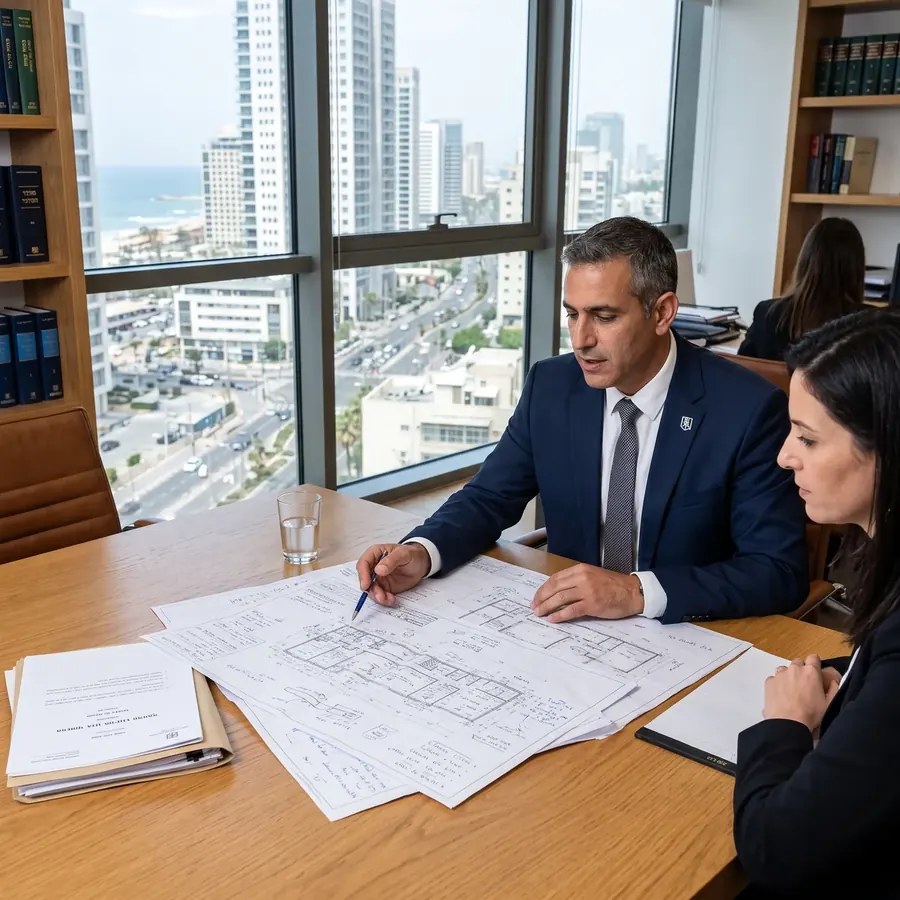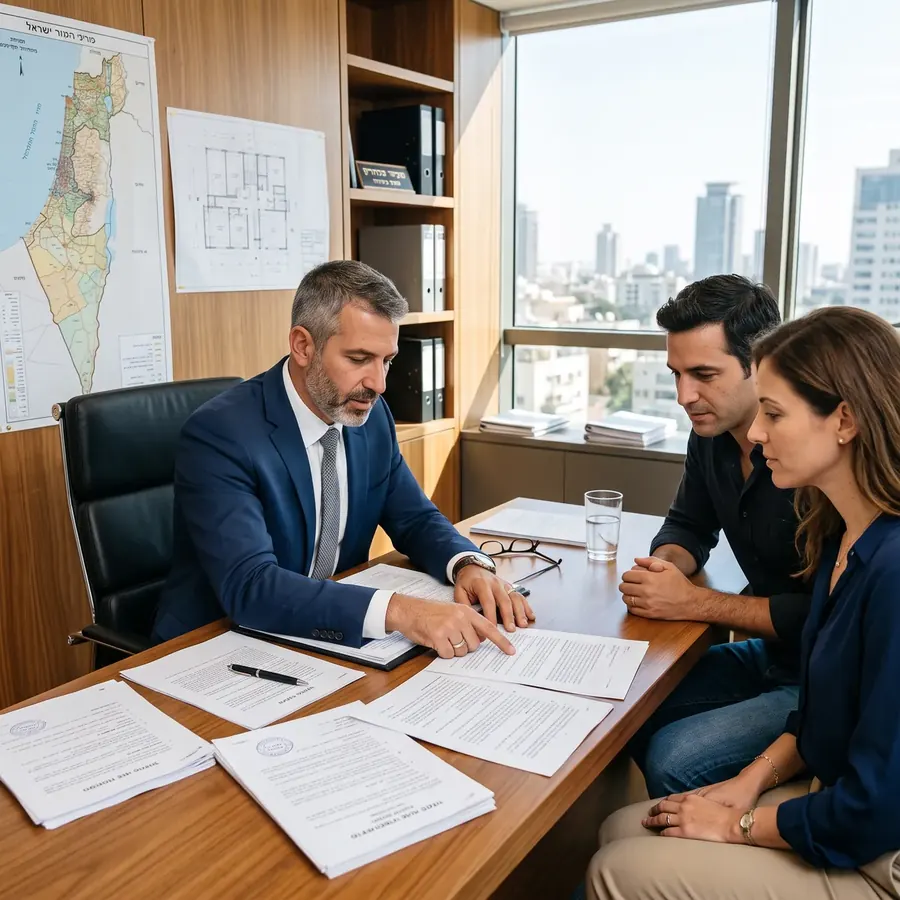





Embarking on a property purchase in Israel is an exciting venture, offering unique opportunities for international investors, members of the diaspora, and new immigrants (olim). However, this significant decision often presents a fundamental choice: whether to invest in a newly constructed property or opt for a resale property. Both avenues offer distinct advantages and potential challenges, each with its own intricate legal landscape. Understanding these nuances is crucial for making an informed decision that aligns with your investment goals and personal preferences.
The Israeli real estate market is dynamic and complex, influenced by various factors including local regulations, cultural practices, and economic trends. For foreign buyers, navigating this environment requires not only market insight but also precise legal guidance. This guide aims to demystify the process, providing a comprehensive overview of the legal considerations involved in purchasing new versus resale properties in Israel. Our goal is to empower you with the knowledge needed to proceed confidently, ensuring your investment is secure and your interests are thoroughly protected from the outset.
Navigating the Israeli Real Estate Landscape: New vs. Resale Properties
The Israeli property market presents a compelling array of options, from the bustling urban centers like Tel Aviv (67011) and Jerusalem (91000) to the serene coastal towns and developing communities across the country. Your choice between a new build and an existing home will significantly impact your experience, from the initial search to the final closing.
Understanding the Dynamics of New Developments
New developments in Israel, often spearheaded by prominent construction companies, typically feature modern designs, advanced amenities, and the promise of a fresh start. These projects can range from high‑rise apartments in central districts to sprawling family homes in suburban areas like Ra'anana (43000) or Modi'in (71700). The appeal of being the first owner, customizing finishes, and benefiting from contemporary building standards is undeniable. However, the legal framework surrounding new builds involves distinct contracts, payment schedules tied to construction progress, and developer guarantees that require careful scrutiny.
Exploring the Appeal of Resale Homes
Resale properties, on the other hand, offer the charm of established neighborhoods, immediate occupancy, and often a more tangible sense of value. From historic homes in Safed (13000) to apartments in the vibrant heart of Haifa (31000), these properties come with a history, a community, and a unique character. While they may require renovations or updates, they often present opportunities for quicker transactions and a clearer understanding of the property's immediate surroundings. The legal process for resale properties focuses heavily on due diligence, examining past ownership, existing liens, and the physical condition of the property.
Let us guide your property purchase in Israel.
★★★★★ 4,9/5 · 127 client reviewsThe Allure of Purchasing a New Property in Israel
Investing in a new property in Israel often signifies a fresh beginning, offering a range of benefits that appeal to many buyers.
Advantages: Modern Design, Guarantees, and Customization
New properties are typically built to the latest construction standards, incorporating modern architectural designs, energy‑efficient systems, and smart home technologies. Buyers often have the opportunity to customize certain aspects of their future home, such as flooring, kitchen finishes, and bathroom fixtures, allowing for a personalized living space from day one. Furthermore, new builds usually come with developer warranties, providing a sense of security regarding structural integrity and various systems for a specified period after completion. This can be a significant advantage, as it minimizes immediate concerns about major repairs or unforeseen issues that can arise with older properties. The financial structure can also be appealing, with payments often spread out over the construction period, easing the initial financial burden.
Potential Challenges: Construction Delays and Developer Contracts
Despite the numerous benefits, purchasing a new property is not without its challenges. Construction delays are a common occurrence in Israel, often extending the anticipated move‑in date by several months, sometimes even longer. These delays can be frustrating and may necessitate temporary housing arrangements. The legal complexities of developer contracts are also a critical area of concern. These agreements are typically drafted to protect the developer's interests, and they can contain clauses regarding payment schedules, penalties for late payments, and conditions for property delivery that require careful legal review. Understanding your rights and obligations within these extensive documents is paramount to avoid future disputes. It is essential to ensure that all promised features and timelines are clearly stipulated and legally binding.
Let us guide your property purchase in Israel.
★★★★★ 4,9/5 · 127 client reviewsEmbracing the Opportunity of a Resale Property Acquisition
For many, a resale property offers a distinct appeal, providing a different set of advantages and considerations.
Advantages: Immediate Occupancy, Established Neighborhoods, and Renovation Potential
One of the primary benefits of a resale property is the potential for immediate occupancy. Once the transaction is complete, you can typically move into your new home without waiting for construction to finish. This is particularly appealing for those who need to relocate quickly or prefer to avoid the uncertainties of a construction timeline. Resale properties are also often situated in established neighborhoods, offering a sense of community, existing infrastructure, and proximity to schools, shops, and public transportation. This can provide a clearer picture of daily life and amenities. Furthermore, older properties often come with the potential for renovation, allowing buyers to add value and personalize the space to their exact specifications over time. This can be a rewarding process for those looking to create a bespoke living environment.
Potential Challenges: Due Diligence and Unexpected Discoveries
While resale properties offer immediate charm, they also necessitate thorough due diligence. The most significant challenge lies in uncovering any hidden issues or defects that may not be immediately apparent. This includes structural problems, outdated electrical or plumbing systems, and potential legal encumbrances such as liens or unresolved property disputes. A comprehensive inspection by a qualified professional is indispensable. Moreover, understanding the property's history, including past renovations, permits, and any outstanding debts or municipal taxes, is crucial. The legal process for resale properties involves meticulous examination of the ownership chain, ensuring that the seller has clear title to the property and that there are no unforeseen claims or easements. Overlooking these details can lead to significant financial liabilities and legal complications down the line.
Let us guide your property purchase in Israel.
★★★★★ 4,9/5 · 127 client reviewsCritical Legal Considerations for New Property Transactions
Purchasing a new property in Israel involves a specific set of legal procedures and documents that demand expert attention.
Developer Agreements and Purchase Contracts
The cornerstone of any new property purchase is the developer agreement (Heskem Mekhira). These contracts are often lengthy and complex, detailing everything from the property specifications and construction schedule to payment terms, guarantees, and clauses related to delays or defects. It is imperative that your real estate lawyer meticulously reviews every clause to ensure your interests are protected and that all terms are fair and transparent. Key areas of focus include the exact description of the property, the delivery date, penalty clauses for delays, and the scope of the developer's warranty. Without proper legal oversight, buyers can find themselves bound by unfavorable terms or facing unexpected costs.
Permits, Zoning, and Registration Processes
New properties must comply with strict building permits and zoning regulations set by Israeli municipalities. Your lawyer will verify that all necessary permits have been obtained and that the construction aligns with approved plans. The registration process for new properties involves registering your ownership with the Israel Land Registry (Tabu) or, in some cases, with the developer's company until the final registration is possible. This can be a protracted process, and your legal representative will ensure that all documentation is correctly filed to secure your legal title. Understanding the stages of registration and the associated timelines is vital for peace of mind.
VAT and Other Tax Implications
New property purchases in Israel are typically subject to Value Added Tax (VAT), which is usually included in the purchase price. However, there can be specific scenarios or exemptions that require professional clarification. Additionally, other taxes, such as purchase tax (Mas Rekhisha), may apply, varying based on the buyer's residency status and whether it is their first property in Israel. Your lawyer will provide comprehensive advice on all applicable taxes, ensuring you are aware of your financial obligations and can plan accordingly. This includes understanding potential tax benefits for new immigrants or specific investment types. Consider also the long‑term tax implications, especially if you plan to rent out the property. For more information, you might find value in our related post: Ella on Understanding Israeli Property Taxes.
| Legal Step | Description | Importance |
|---|---|---|
| Developer Contract Review | Thorough examination of the purchase agreement, annexes, and specifications. | Ensures fair terms, protects buyer's rights, and clarifies obligations. |
| Permit and Zoning Verification | Confirming all building permits are valid and comply with local zoning laws. | Prevents legal complications and ensures the legality of the construction. |
| Bank Guarantee Review | Verifying the existence and terms of bank guarantees (Hok Mekhirat Diyrot) protecting your payments. | Crucial for financial security in case of developer insolvency or project failure. |
| Payment Schedule Compliance | Ensuring payment milestones align with construction progress and legal requirements. | Avoids penalties and secures timely property delivery. |
| Property Registration Monitoring | Tracking the registration of your ownership in the Israel Land Registry (Tabu). | Secures your legal title to the property. |
| Tax Implications Assessment | Advising on VAT, purchase tax, and other relevant levies. | Ensures compliance and helps in financial planning. |
Let us guide your property purchase in Israel.
★★★★★ 4,9/5 · 127 client reviewsEssential Legal Steps in Resale Property Acquisitions
The purchase of a resale property in Israel demands a different, yet equally rigorous, legal approach.
Thorough Due Diligence: Property History and Liens
When buying a resale property, the concept of "buyer beware" takes on significant importance. Your real estate lawyer will conduct extensive due diligence, which includes examining the property's history, verifying ownership records at the Israel Land Registry (Tabu), and checking for any existing liens, mortgages, or encumbrances. This process also involves investigating municipal records for building permits, zoning compliance, and any outstanding debts owed to the municipality or utility companies. For example, a property in Beersheba (84000) might have different historical records than one in Herzliya (46100), necessitating specific local checks. Discovering unpermitted additions or unresolved boundary disputes before purchase is critical to avoid future legal headaches.
Negotiating the Purchase Agreement and Escrow
The purchase agreement for a resale property (often referred to as a "Memorandum of Understanding" followed by a detailed contract) is a pivotal document. Your lawyer will negotiate the terms of sale, including the purchase price, payment schedule, conditions precedent, and the exact date of possession. A key element is the establishment of an escrow account, typically managed by your lawyer, where funds are held securely until all conditions of the sale are met and the property is legally transferred. This protects both the buyer and the seller throughout the transaction process. Carefully drafted clauses regarding property condition, fixtures, and potential remedies for breaches of contract are essential.
Transfer of Ownership and Municipal Taxes
The legal transfer of ownership is finalized upon registration of your name in the Israel Land Registry (Tabu). Before this can occur, several clearances must be obtained, including certificates from the municipality confirming all taxes and levies have been paid, and from the Israel Tax Authority. Your lawyer will manage this complex process, ensuring all necessary documents are filed and all outstanding obligations are settled. Understanding municipal taxes (Arnona), water bills, and other ongoing expenses associated with the property is also part of this comprehensive legal guidance. We also recommend reviewing our article on Ella for insights into managing property expenses in Israel.
| Legal Step | Description | Importance |
|---|---|---|
| Title Deed Verification | Confirming seller's clear ownership and checking for liens, mortgages, or encumbrances. | Ensures you acquire a property free of legal claims. |
| Municipal & Tax Due Diligence | Checking for outstanding municipal taxes, building violations, and relevant permits. | Avoids inheriting seller's debts and ensures property legality. |
| Purchase Agreement Negotiation | Drafting and negotiating terms of sale, payment schedule, and possession date. | Protects your financial interests and outlines contractual obligations. |
| Escrow Account Management | Safeguarding purchase funds until all conditions for transfer are met. | Provides financial security for both buyer and seller. |
| Property Inspection Oversight | Advising on the necessity and scope of professional property inspections. | Identifies physical defects and potential repair costs. |
| Registration and Clearance | Managing the process of obtaining clearances and registering ownership at Tabu. | Finalizes legal transfer and secures your title. |
Let us guide your property purchase in Israel.
★★★★★ 4,9/5 · 127 client reviewsYour Real Estate Lawyer: An Indispensable Partner in Israel
Whether you choose a new build or a resale property, the complexities of Israeli real estate law necessitate the expertise of a dedicated real estate lawyer. Our firm, serving international clients in Israel, specializes in navigating these intricate legal pathways.
Protecting Your Interests from Contract to Closing
From the moment you consider a property in Israel, your real estate lawyer acts as your primary advocate. We conduct thorough due diligence, review and negotiate contracts, and ensure all legal requirements are met. This includes verifying zoning regulations in cities like Eilat (88000), confirming the authenticity of documents, and ensuring that all financial transactions are handled securely. Our role is to foresee potential pitfalls and proactively address them, safeguarding your investment at every stage. We work diligently to ensure that the terms of your purchase are favorable and that your rights as a buyer are fully protected. Our commitment extends beyond just paperwork; we are your trusted advisor throughout the entire journey.
Ensuring Compliance and Mitigating Risks
The legal landscape of Israeli real estate is constantly evolving. Staying compliant with the latest regulations, tax laws, and registration procedures requires specialized knowledge. Your lawyer ensures that your transaction adheres to all applicable laws, minimizing the risk of future disputes or legal challenges. This includes verifying construction permits for new builds, checking for unauthorized additions in resale properties, and ensuring all tax obligations are correctly calculated and paid. We provide peace of mind, allowing you to focus on the excitement of your new home while we handle the intricate legal details. For further insights, you may wish to read our article on Ella regarding common legal pitfalls in Israeli real estate.
Transparent Fees and Tailored Legal Strategies
We believe in clear and transparent communication regarding our legal services. Our approach involves understanding your unique needs and tailoring a legal strategy that best suits your specific property acquisition goals. We provide comprehensive advice, outlining all legal steps, potential costs, and timelines involved. Our fees are structured to be clear and predictable, ensuring you understand the value we bring to your transaction without any hidden surprises. We are committed to providing exceptional legal service that not only meets but exceeds your expectations, building a relationship based on trust and professional excellence.
- Benefits of Engaging a Real Estate Lawyer in Israel:
- Comprehensive due diligence on property history and legal status.
- Expert negotiation of purchase agreements and developer contracts.
- Protection of your financial interests through secure escrow management.
- Verification of all permits, zoning, and regulatory compliance.
- Guidance on Israeli tax implications and property registration processes.
- Mitigation of risks and resolution of potential legal disputes.
- Personalized advice tailored to international buyers and olim.
- Ensuring clear title transfer and legal ownership.
Top 5 Key Factors When Choosing Between New and Resale Property in Israel
- Budget and Financing: New builds often have structured payment plans, while resale properties may require a larger upfront sum. Consider mortgage options and overall affordability for both.
- Timeline for Occupancy: Resale offers immediate move‑in; new builds involve waiting for construction, which can be subject to delays.
- Desired Level of Customization: New properties allow for personalization during construction; resale properties offer renovation potential post‑purchase.
- Neighborhood and Amenities: Resale properties are in established areas with existing infrastructure; new developments might be in emerging neighborhoods with evolving amenities.
- Risk Tolerance: New builds carry risks of construction delays and developer issues; resale properties require thorough due diligence to uncover hidden defects or legal encumbrances.
The decision to purchase a new or resale property in Israel is a momentous one, laden with both excitement and complexity. While the allure of a brand‑new home is undeniable, and the charm of an established property equally compelling, the underlying legal frameworks are distinct and require careful navigation. From scrutinizing developer contracts for new builds to conducting exhaustive due diligence on resale properties, the journey demands precision, expertise, and unwavering attention to detail.
Our firm stands ready to be your trusted legal partner in this significant endeavor. With a deep understanding of Israeli real estate law and a commitment to protecting your interests, we provide the clarity and confidence you need to make an informed decision. We offer transparent fees and tailored legal strategies, ensuring a smooth and secure transaction, whether you are buying a property in Tel Aviv (67011), Jerusalem (91000), or any other vibrant community in Israel. Let us guide you through every step, ensuring your property acquisition is not just a transaction, but a successful realization of your dream in Israel.
Do not navigate the complexities of the Israeli real estate market alone. Contact us today to schedule a consultation and discover how our expertise can safeguard your investment in Israel for 2026 and beyond.