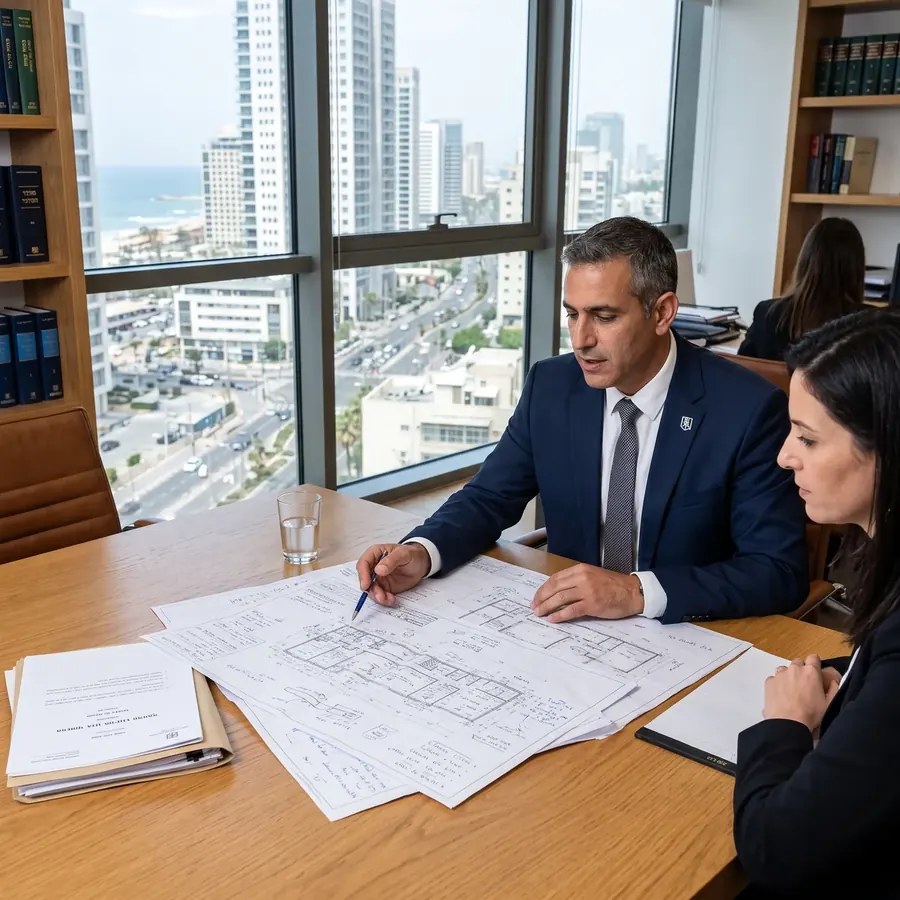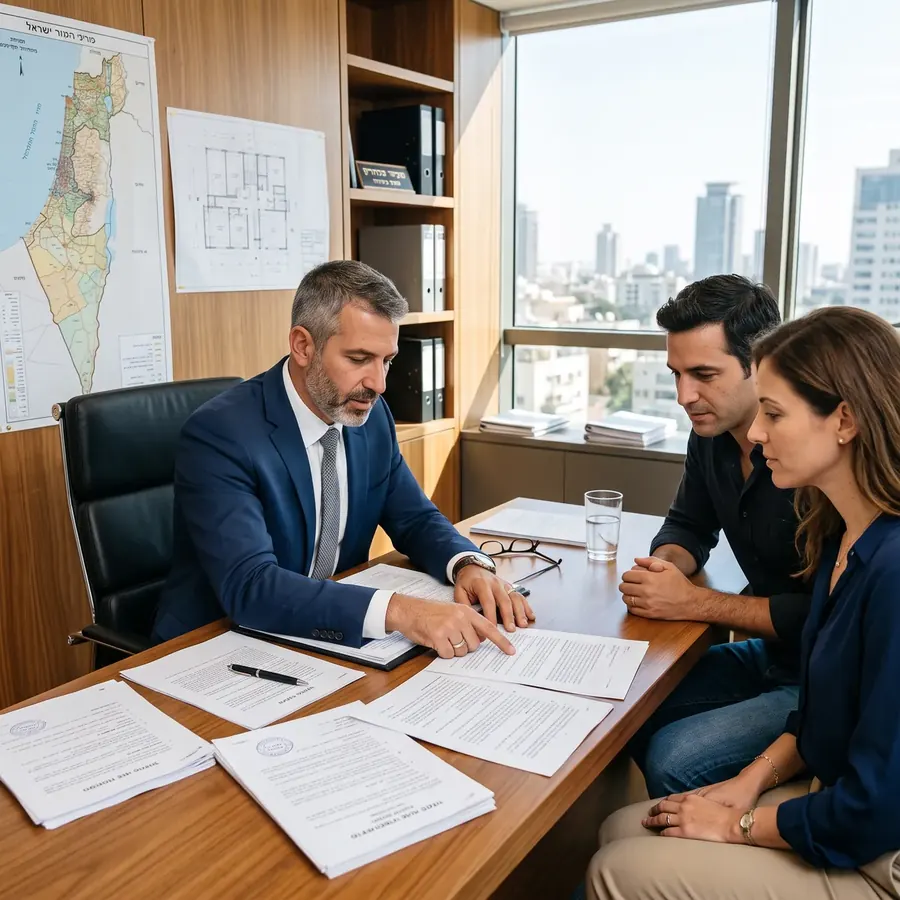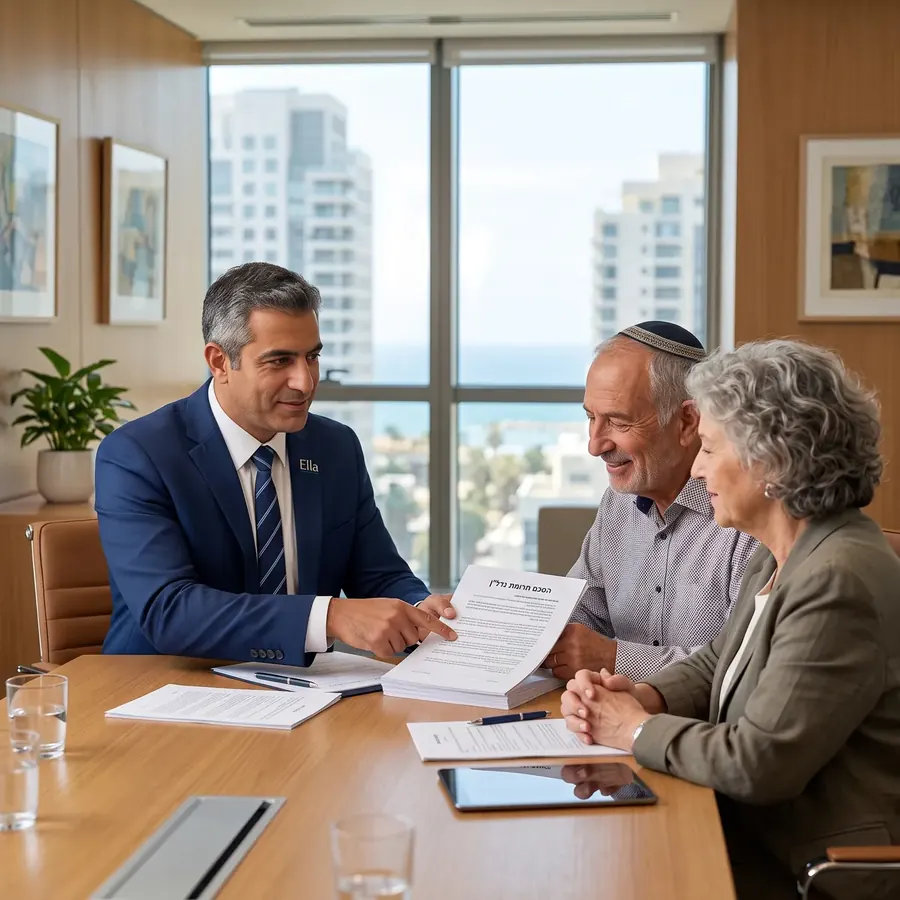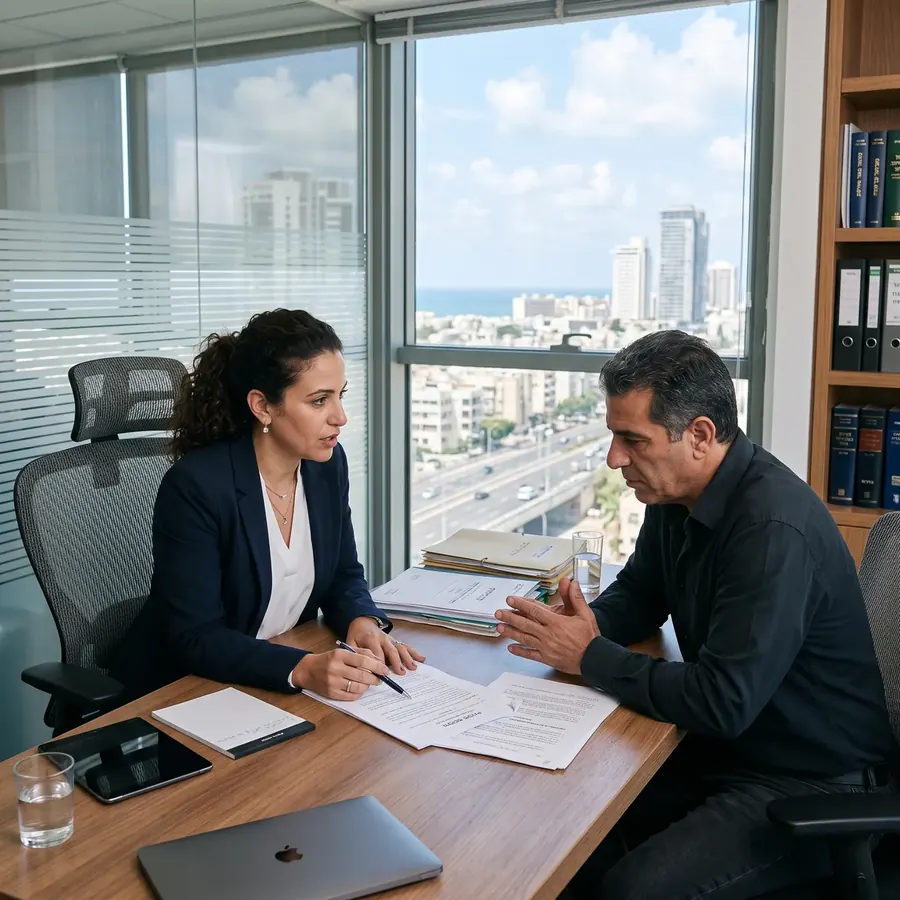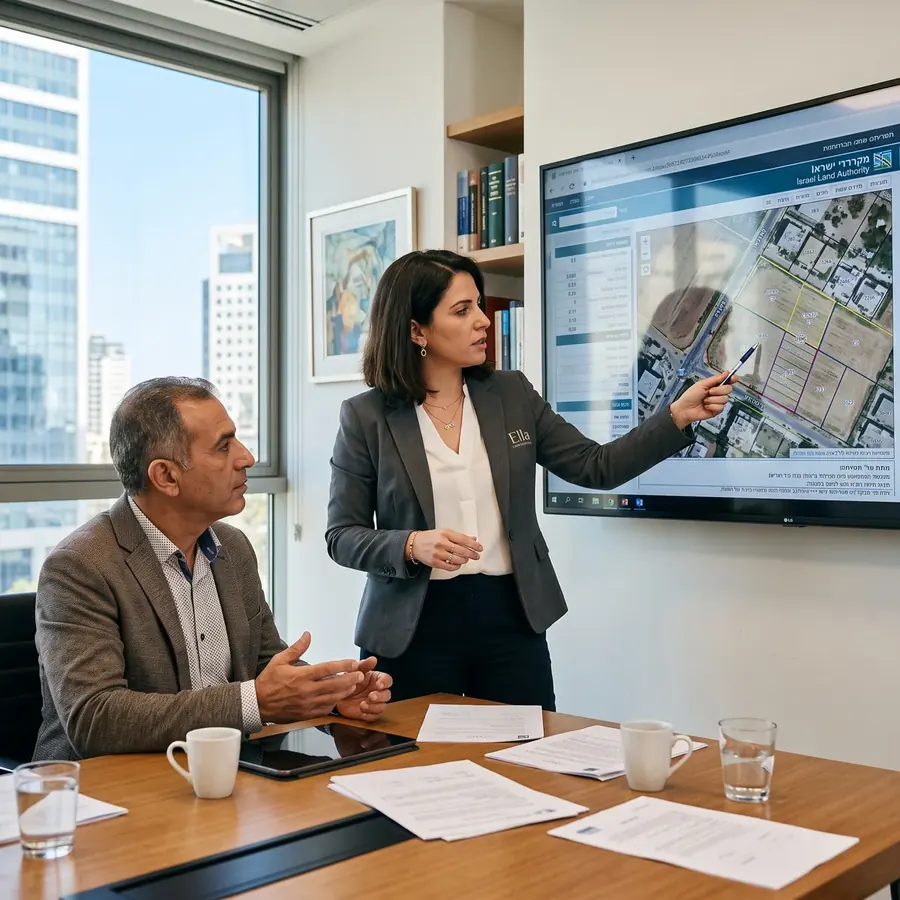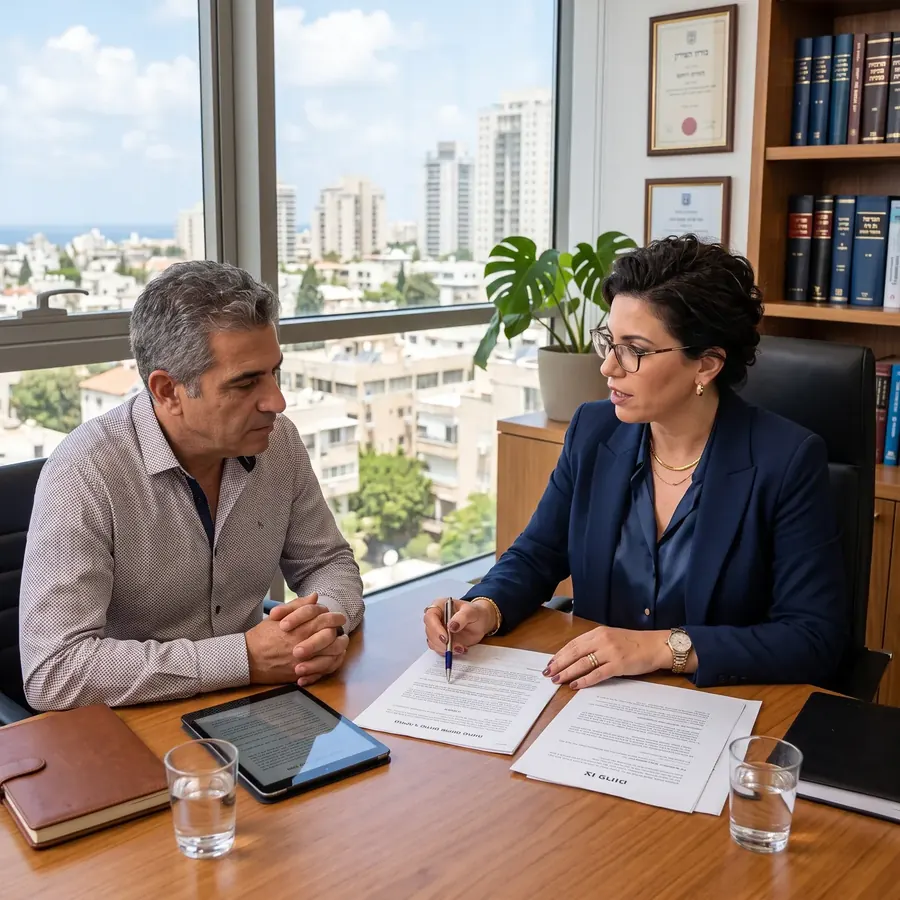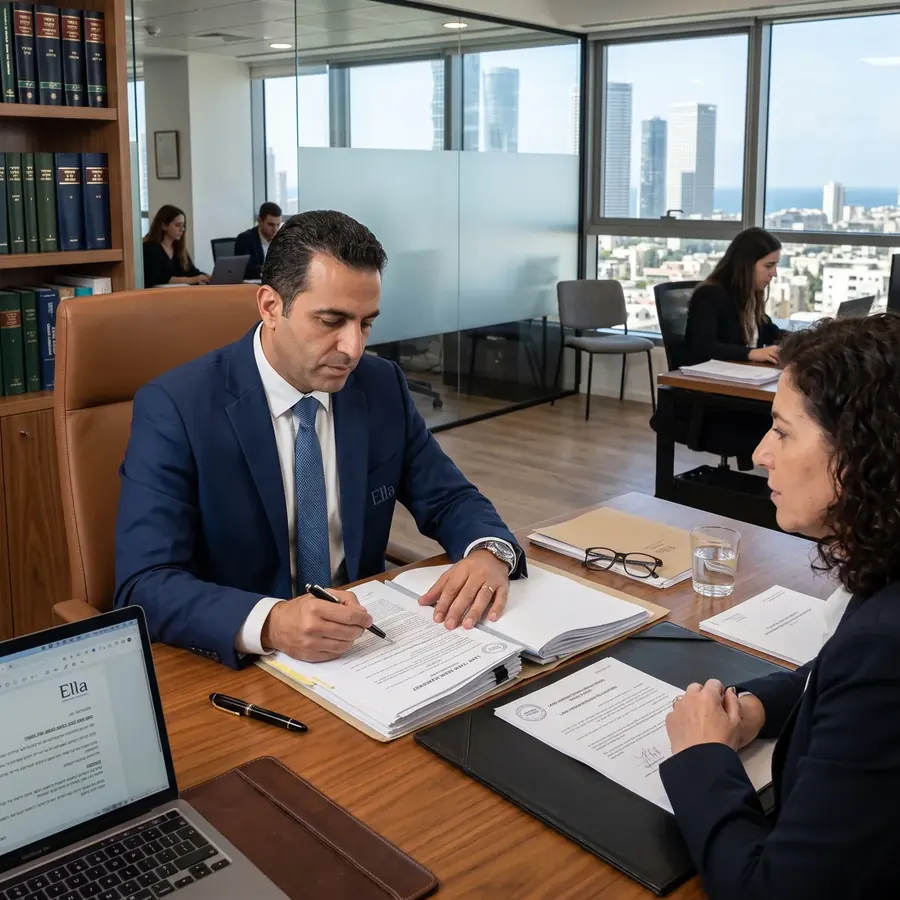




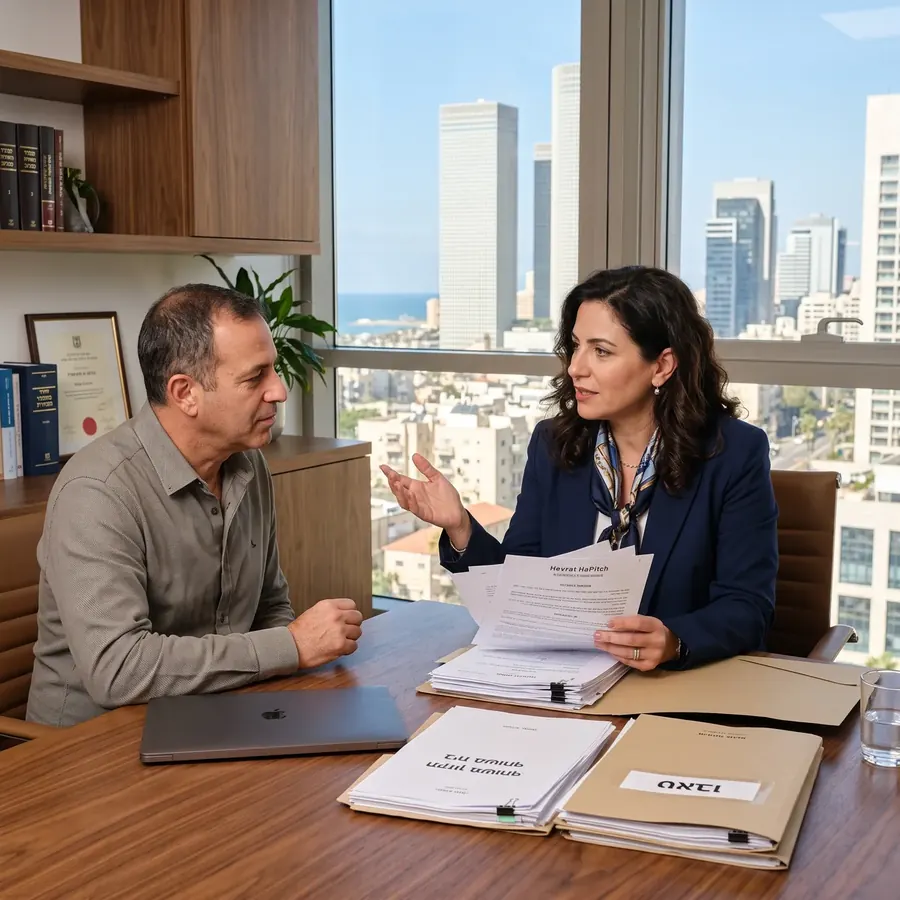
Embarking on a real estate transaction in Israel, whether as an overseas investor, a member of the diaspora, or a new immigrant (Oleh), presents a unique landscape of opportunities and complexities. While the prospect of owning property in the Holy Land is exciting, the journey often begins with preliminary agreements, documents that, despite their seemingly informal nature, carry significant legal weight. However, circumstances can change, and the need to cancel such an agreement, or to secure a deposit refund, can arise unexpectedly. Navigating these situations without expert legal counsel can be a daunting and financially perilous endeavor. This article delves into the intricacies of cancelling preliminary real estate agreements and securing deposit refunds in Israel, offering clarity and professional guidance to protect your interests.
At our firm, we understand that international clients require not only legal expertise but also a clear, professional, and reliable approach tailored to their specific needs. Our focus is on providing concrete, added‑value solutions, ensuring that your real estate investments in Israel are handled with the utmost care and precision. We are committed to demystifying the legal processes involved, offering proximity and unwavering support through every stage of your transaction.
Understanding Preliminary Agreements in Israeli Real Estate
In Israel, the real estate market operates under a distinct legal framework where preliminary agreements play a crucial, yet often misunderstood, role. These documents are typically signed early in a transaction to formalize initial understandings between buyers and sellers before a comprehensive purchase agreement (Hesekem Mekhira) is drafted and executed. Understanding their nature and legal implications is the first step in safeguarding your investment.
What Constitutes a Preliminary Agreement? (e.g., Zichron Devarim)
A common form of preliminary agreement in Israel is the Zichron Devarim (Memorandum of Understanding). This document outlines the basic terms of a deal, including the property details, purchase price, and payment schedule. While it might appear informal, Israeli courts may treat a Zichron Devarim as legally binding if it clearly outlines the main terms and demonstrates an intent to move forward with the deal. Other preliminary agreements may also be used, depending on whether the property is new or secondhand, such as a Tofes Harshama (registration form) for unbuilt properties.
The Legal Weight of These Agreements
Under Israeli contract law, a signed property purchase agreement, even a preliminary one, is binding on both parties. Cancelling such an agreement without valid legal grounds can expose the cancelling party to significant financial penalties, including forfeiture of a deposit for buyers or substantial damages for sellers. The "magic legal moment" when buyers gain an ownership interest in Israel often occurs at the contract signing, emphasizing the critical importance of these early documents.
Common Scenarios Leading to Preliminary Agreements
Preliminary agreements are often used to quickly "lock in" terms in a fast‑moving market or when a full contract isn't immediately ready. They signal commitment and provide a framework for the subsequent, more detailed, purchase agreement. However, relying solely on a preliminary agreement without comprehensive legal review can lead to disputes due to missing or unclear terms.
- Key Elements Often Found in Preliminary Agreements:
- Identification of Buyer(s) and Seller(s).
- Detailed description of the property.
- Agreed‑upon purchase price.
- Initial payment or deposit amount.
- Proposed payment schedule.
- Target date for signing the definitive purchase agreement.
- Any specific conditions precedent (e.g., obtaining a mortgage pre‑approval).
Protect Your Investment, Contact Us Today
★★★★★ 4,9/5 · 127 client reviewsGrounds for Cancellation of Preliminary Agreements
While preliminary agreements are binding, there are specific legal grounds under Israeli law that may permit their cancellation. Understanding these grounds is crucial for anyone considering withdrawing from a real estate transaction in Israel.
Breach of Contract
A fundamental breach of contract by one party can entitle the other party to cancel the agreement. Israeli contract law mandates that parties act in good faith when executing and performing their contractual obligations. A breach occurs when one party fails to fulfill its obligations as outlined in the agreement.
Material Misrepresentation or Fraud
If one party was induced to enter the agreement due to material misrepresentation or fraud by the other party, the contract may be canceled. Misrepresentation involves one party misleading the other, either by action or omission, which influences their decision to sign the contract.
Mutual Consent
The simplest way to cancel any agreement is through mutual consent of all parties involved. If both the buyer and seller agree to terminate the preliminary agreement, it can be canceled without further legal complications, provided the terms of cancellation are clearly documented.
Frustration of Purpose (e.g., Inability to Obtain Financing)
While Israeli courts generally prioritize enforcing contracts, in rare circumstances, a contract might be canceled due to "frustration of purpose" or unforeseen circumstances that make performance impossible or fundamentally different from what was intended. For instance, if a buyer is unable to secure a mortgage despite diligent efforts, and this was a clearly stipulated condition precedent, it might form a basis for cancellation, though this is often a complex legal argument.
Non‑fulfillment of Conditions Precedent
Many preliminary agreements include specific conditions that must be met before the agreement becomes fully enforceable or before the next stage of the transaction. If a crucial condition precedent—such as obtaining a building permit in Haifa (31000) or securing a specific type of financing—is not fulfilled, the agreement may be canceled.
| Valid Grounds for Cancellation | Invalid Grounds for Cancellation |
|---|---|
| Material breach of contract by the other party (e.g., significant payment delays, failure to disclose major defects). | Buyer's "change of mind" or buyer's remorse without a valid legal reason. |
| Proven misrepresentation or fraud by one party leading to the agreement. | Seller receiving a higher offer after signing a preliminary agreement. |
| Mutual agreement between all parties to terminate the contract. | Minor disagreements over non‑essential terms not specified in the preliminary agreement. |
| Non‑fulfillment of a clearly defined and critical condition precedent. | Inability to secure preferred financing if no financing contingency was explicitly stated. |
| Court ruling based on principles of fairness or equity in exceptional cases. | Lack of legal advice *after* signing a binding preliminary agreement. |
Protect Your Investment, Contact Us Today
★★★★★ 4,9/5 · 127 client reviewsThe Process of Cancelling a Preliminary Agreement
The process for canceling a preliminary real estate agreement in Israel is highly sensitive and demands a strategic approach to avoid further liability.
Initial Steps: Notification and Documentation
Upon identifying a potential ground for cancellation, the first crucial step is to formally notify the other party in writing. This notification should clearly state the intention to cancel, the specific grounds for cancellation, and any demands, such as a deposit refund. Detailed documentation supporting your claims is essential. This might include correspondence, expert reports, or evidence of a breach.
Negotiation and Mediation
Before resorting to litigation, negotiation and mediation are often pursued to reach an amicable resolution. An experienced real estate lawyer can facilitate these discussions, aiming to find a mutually acceptable solution that minimizes financial and time burdens for all parties. For example, if a dispute arises over a property in Beersheba (84000), a mediated settlement can save considerable resources compared to a court battle.
Legal Proceedings: When Litigation Becomes Necessary
If negotiation and mediation fail, legal proceedings may be necessary. This involves filing a lawsuit in the appropriate Israeli court. The court will assess the evidence, the validity of the cancellation grounds, and the actions of both parties, including whether they acted in good faith. Litigation in Israel can be a lengthy and complex process, underscoring the importance of robust legal representation.
- Key Stages in the Cancellation Process:
- Legal Consultation: Early engagement with an Israeli real estate lawyer to assess the validity of cancellation grounds and potential risks.
- Formal Written Notice: Delivering a clear and comprehensive notice of cancellation to the other party.
- Evidence Gathering: Compiling all relevant documents, communications, and expert opinions to support your position.
- Negotiation Attempts: Engaging in direct discussions or mediation to seek a consensual resolution.
- Litigation (if necessary): Initiating court proceedings to obtain a judicial declaration of cancellation and/or deposit refund.
- Enforcement: Executing the court's judgment, which may include recovering a deposit or damages.
For further insights into handling contractual disputes, you may find valuable information on Ella's resources.
Protect Your Investment, Contact Us Today
★★★★★ 4,9/5 · 127 client reviewsNavigating Deposit Refunds
One of the most contentious aspects of canceling a preliminary agreement is the fate of the deposit. Whether a deposit is refundable or forfeited depends heavily on the specific terms of the agreement and the legal grounds for cancellation.
Understanding Deposit Types: Earnest Money vs. Partial Payment
In Israeli real estate, deposits can serve different purposes. An earnest money deposit typically demonstrates the buyer's serious intent and may be forfeited if the buyer backs out without valid cause. A partial payment, on the other hand, is a portion of the purchase price, and its refundability is often tied to the fulfillment of contractual obligations. The distinction is crucial for determining refund eligibility.
Conditions for Deposit Forfeiture vs. Refund
Generally, if a buyer breaches a binding preliminary agreement without legal justification, the deposit may be forfeited to the seller. Conversely, if the seller breaches the agreement, or if the cancellation is due to a valid legal ground (e.g., material misrepresentation, non‑fulfillment of a condition precedent), the buyer is typically entitled to a full refund of their deposit.
Israeli law also sets limits on security deposits in residential leases, capping them at a maximum of three months' rent or one‑third of the total rent for the lease period, whichever is lower. Landlords can only realize a guarantee for specific debts like unpaid rent or damages, and must provide notice and an opportunity to rectify the breach before doing so.
Strategies for Recovering Your Deposit
Recovering a deposit often requires skilled negotiation and, if necessary, legal action. Documenting all communications, proofs of payment, and evidence related to the cancellation grounds is vital. In cases where a landlord refuses to return a deposit without justification, tenants can pursue action in a small claims court, which handles disputes up to a certain monetary ceiling and typically offers a faster, less expensive process.
| Scenarios for Deposit Forfeiture | Scenarios for Full Deposit Refund |
|---|---|
| Buyer unilaterally cancels without a valid legal ground. | Seller breaches a material term of the preliminary agreement. |
| Buyer fails to meet a clearly defined and critical deadline (e.g., payment of a subsequent installment). | Agreement is canceled due to proven misrepresentation by the seller. |
| The preliminary agreement explicitly states non‑refundability upon specific buyer actions (e.g., withdrawal). | Mutual agreement to cancel the transaction, with explicit terms for deposit return. |
| Court finds the buyer in fundamental breach of contract. | Non‑fulfillment of a specific condition precedent, not attributable to the buyer's fault. |
| Buyer signed a Zichron Devarim and changed their mind, leading to a penalty. | Court rules the preliminary agreement was not legally binding from the outset. |
Protect Your Investment, Contact Us Today
★★★★★ 4,9/5 · 127 client reviewsThe Critical Role of an Israeli Real Estate Lawyer
For international clients, the complexities of Israeli real estate law, coupled with potential language and cultural barriers, make expert legal representation indispensable. A skilled Israeli real estate lawyer acts as your trusted advocate, ensuring your rights are protected and your interests are prioritized.
Legal Analysis and Due Diligence
Before you sign any preliminary agreement, your lawyer will conduct thorough due diligence. This includes reviewing the property's legal status at the Land Registry (Tabu), checking for liens, mortgages, or planning encumbrances, and verifying the seller's ownership rights. For example, if you are considering a property in Tel Aviv (61000), a comprehensive Tabu check is essential to uncover any hidden issues. This proactive approach can prevent future disputes and the need for cancellation.
Negotiation and Advocacy
Your lawyer will negotiate the terms of any preliminary agreement, ensuring that protective clauses are included, such as conditions for cancellation and deposit refunds. In the event of a dispute, they will represent your interests in negotiations or mediation, striving for a favorable outcome without resorting to costly litigation.
Litigation Representation
Should litigation become unavoidable, your real estate lawyer will provide robust representation in Israeli courts. They possess a deep understanding of local statutory law, judicial precedents, and industry practices, crucial for navigating breach of contract disputes.
Protecting International Interests
Our firm specializes in assisting international clients, understanding the unique challenges they face. We ensure that all foreign documentation is authenticated, certified translations are obtained, and tax registration procedures are handled correctly. This comprehensive support is vital for diaspora members and foreign investors navigating the Israeli market. For additional guidance on protecting your real estate interests, consider reviewing resources from Ella.
Protect Your Investment, Contact Us Today
★★★★★ 4,9/5 · 127 client reviewsPreventing Future Issues: Best Practices for Buyers and Sellers
While this article focuses on cancellation and refunds, the best strategy is always prevention. By adopting best practices, both buyers and sellers can significantly reduce the risk of disputes and the need for agreement cancellations.
Comprehensive Legal Review Before Signing
Never sign any binding document, including a Zichron Devarim, without a comprehensive legal review by your own independent Israeli real estate lawyer. This ensures all terms are clear, fair, and protect your interests. It is a common mistake to proceed with negotiations without written mortgage pre‑approval, which can lead to complications later.
Clear and Specific Agreement Drafting
Ensure that all preliminary agreements, and especially the final purchase contract, are drafted with clarity and specificity. Ambiguity can lead to misunderstandings and disputes. Essential clauses should explicitly address conditions precedent, payment schedules, default remedies, and clear terms for cancellation and deposit refunds.
Due Diligence on All Parties
Conduct thorough due diligence not only on the property but also on the parties involved. Verify identities and ensure all legal representatives are properly licensed. This adds an extra layer of security to your transaction.
Top 5 Essential Tips for Securing Your Israeli Real Estate Transaction:
- Engage an Independent Israeli Real Estate Lawyer Early: This is paramount. Your lawyer will conduct due diligence, negotiate terms, and protect your interests from the very first step.
- Avoid Signing a Zichron Devarim Without Legal Review: While seemingly informal, these documents can be legally binding and carry significant risks if not properly vetted.
- Secure Mortgage Pre‑Approval: If financing is required, obtain a written pre‑approval from your bank before signing any purchase agreement. This prevents issues if financing falls through.
- Thorough Property Inspection: For existing properties, hire a qualified engineer to inspect the premises for any structural issues or defects before signing.
- Understand Tax Implications: Be aware of the Israeli tax implications for both buyers (purchase tax) and sellers (betterment tax) and ensure these are properly accounted for in the agreement.
For more detailed information on specific legal entities or processes, we recommend exploring the insights provided by Ella.
The Israeli real estate market, while full of promise, is governed by a unique legal framework that demands careful navigation. Preliminary agreements and the potential for their cancellation, along with deposit refunds, are areas where professional legal expertise is not just beneficial, but essential. Our firm is dedicated to providing international English‑speaking clients with the clarity, reliability, and strategic advocacy needed to succeed in their Israeli real estate ventures. We offer a professional, clear, and trustworthy approach, ensuring that your investment is secure and your peace of mind is preserved.
Do not navigate these complex legal waters alone. Protect your investment and ensure a smooth transaction.