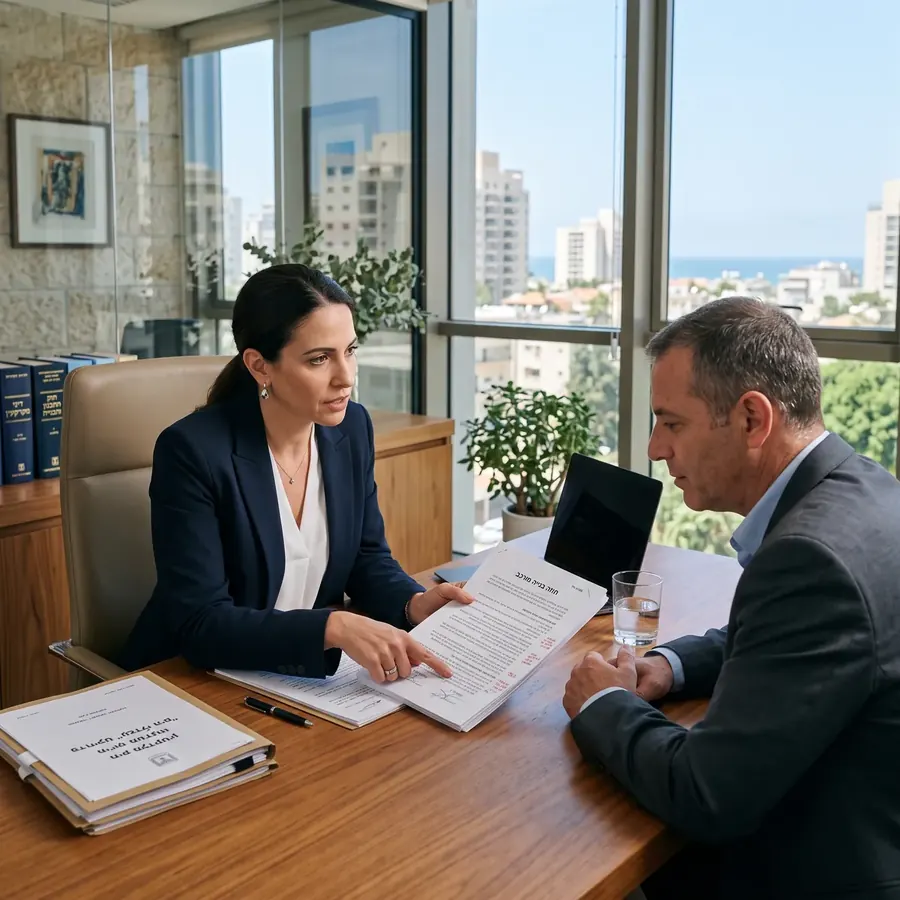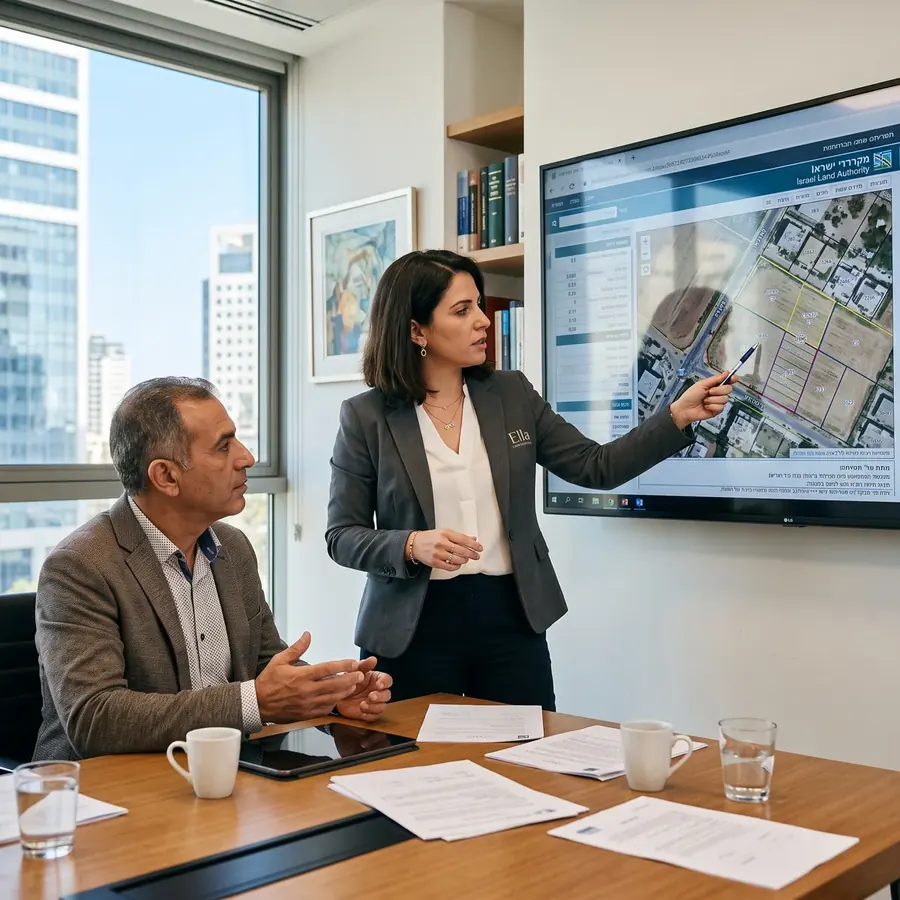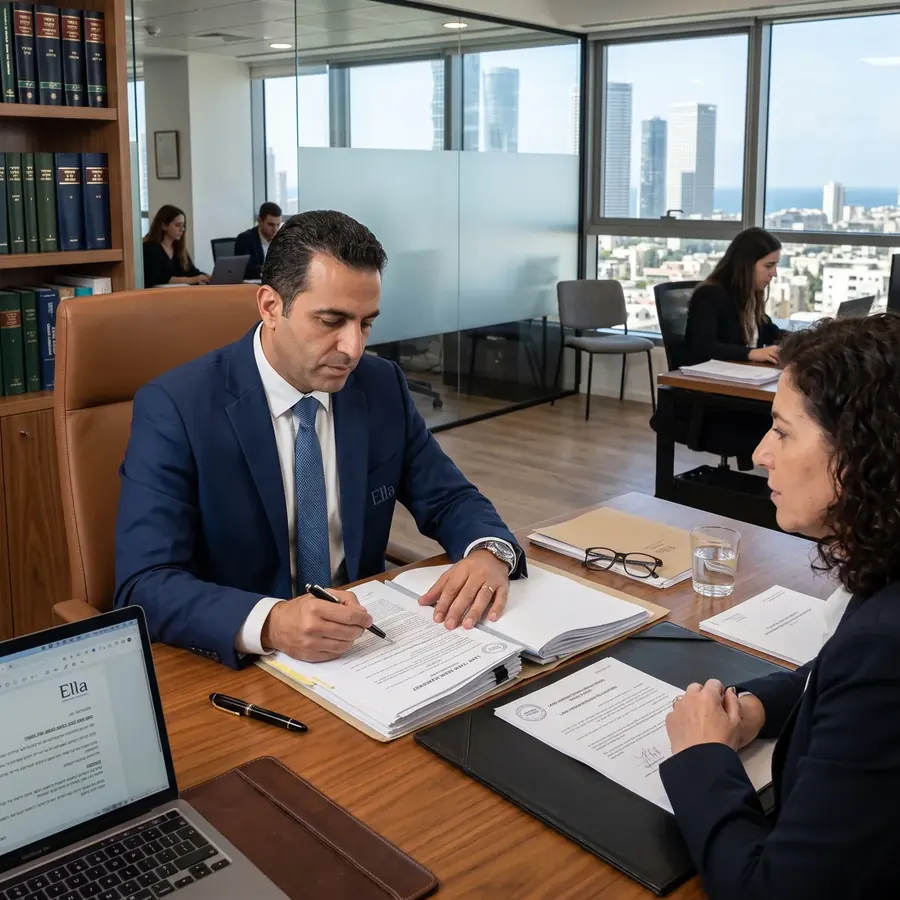





Navigating the intricacies of real estate in Israel can be a complex journey, especially when it involves properties with shared ownership. For anyone considering buying, selling, or managing a co‑owned property, understanding the foundational document known as the Takanon (תקנון) – or Co‑ownership Regulations – is not merely advisable, it is absolutely essential. This document governs the rights, responsibilities, and relationships between co‑owners in a shared building or complex, dictating everything from maintenance costs to renovation rules. Without a thorough review by an experienced legal professional, you could face unexpected liabilities, disputes, and significant financial setbacks.
Whether you are an Israeli expatriate looking to invest back home, a foreign investor seeking opportunities in the dynamic Israeli market, or an Oleh (new immigrant) establishing roots, the unique legal landscape of property co‑ownership demands careful attention. Our firm specializes in providing comprehensive, clear, and reliable legal services for international clients dealing with real estate in Israel. We understand the specific challenges you might encounter and are dedicated to safeguarding your interests by ensuring you fully comprehend every aspect of your co‑ownership agreement before you commit. In 2026, proactive legal guidance is your strongest asset in the Israeli real estate market.
What are Co‑ownership Regulations (Takanon) in Israel?
At the heart of every shared property in Israel lies the Takanon, a legally binding document that acts as a constitution for the building's residents. It defines the framework for communal living and property management, ensuring harmony and order among co‑owners. Understanding its role is paramount for any property owner in a multi‑unit building.
The Legal Foundation of Shared Property
In Israel, properties with multiple owners, such as apartment buildings or commercial complexes, are typically registered as a "Registered House" (בית משותף). The Land Law of 1969 mandates that every registered house must have a Takanon, which can be either a standard model Takanon provided by law or a customized Takanon agreed upon by the co‑owners. This document is officially registered with the Land Registration Office (Tabu), making it a public record that binds all current and future owners of units within the property. It establishes the legal framework for how the property is managed, maintained, and how decisions are made collectively. For instance, a Takanon will often specify the voting rights for various decisions, such as major structural changes or the election of a building committee.
Key Components of a Takanon
A comprehensive Takanon covers a wide array of topics, designed to regulate almost every aspect of co‑ownership. Key components typically include:
- Definition of Common Property: Clearly outlines which parts of the building are shared (e.g., stairwells, elevators, roofs, gardens) versus private units. This delineation is crucial for determining maintenance responsibilities.
- Rights and Obligations of Co‑owners: Details what each owner can and cannot do with their property and the common areas. This might include rules on noise levels, pet ownership, or the use of balconies.
- Management and Maintenance: Specifies how common property is managed, including the election of a building committee (ועד בית), its powers, and responsibilities for general upkeep and repairs. It also details how maintenance costs are calculated and collected.
- Decision‑Making Processes: Establishes the procedures for making collective decisions, including quorum requirements for meetings, voting percentages needed for various actions, and how disputes are resolved. Significant decisions, like adding floors or changing the building's façade, usually require a supermajority.
- Use and Enjoyment of Common Property: Sets rules for the shared use of facilities, such as parking spaces, storage units, or communal gardens.
- Insurance Requirements: Often specifies the types of insurance policies the building must hold, for instance, against fire or structural damage, and how premiums are shared among owners.
Without a clear understanding of these components, an owner might unknowingly violate regulations or miss out on exercising their full rights. This is particularly relevant in bustling cities like Tel Aviv (61000) or Jerusalem (91000), where multi‑story residential buildings are the norm and co‑ownership is prevalent.
Let Us Clarify Your Co‑ownership Regulations Today
★★★★★ 4,9/5 · 127 client reviewsWhy is a Professional Review of Your Takanon Crucial?
A Takanon is more than just a formality; it is a critical document that can significantly impact your property investment and daily life. A professional legal review offers indispensable protection and clarity.
Protecting Your Investment and Rights
Your property in Israel represents a significant investment. A thorough review of the Takanon ensures that your rights as an owner are clearly defined and protected. This includes understanding your share in common property, your voting rights, and any restrictions on your unit. For example, some Takanon documents may include clauses that restrict short‑term rentals, which could impact investors planning to use their property for Airbnb or similar platforms. Moreover, an expert review can identify any clauses that might unfairly burden you with excessive costs or responsibilities, safeguarding your financial interests.
Avoiding Common Disputes
Many disputes among co‑owners stem directly from ambiguities or misunderstandings within the Takanon. These can range from disagreements over noise, pet policies, or the use of common areas to more substantial conflicts concerning major renovations or shared expenses. A proactive legal review helps identify potential areas of conflict before they escalate. By clarifying vague language or highlighting potentially problematic clauses, an attorney can help you understand your obligations and anticipate challenges, thereby preventing costly and time‑consuming legal battles. This is especially true in a diverse society like Israel, where cultural differences can sometimes exacerbate neighborly disagreements.
Adapting to Legal Changes
Israeli real estate law, like any legal framework, can evolve. While a Takanon is a static document once registered, interpretations and enforcement can be influenced by new court rulings or legislative amendments. An experienced real estate lawyer stays abreast of these changes and can assess how they might affect your existing Takanon. They can advise you on whether your Takanon remains fully compliant with current laws and recommend any necessary amendments or clarifications to protect your interests in the long term. This ongoing vigilance is part of the value‑added service our firm provides. For more information on adapting to legal changes, you might find Ella helpful.
Let Us Clarify Your Co‑ownership Regulations Today
★★★★★ 4,9/5 · 127 client reviewsThe Review Process: What an Expert Real Estate Lawyer Examines
Our comprehensive review process goes beyond a superficial reading of the Takanon. We delve deep into its provisions, analyzing their implications for your specific situation.
Scrutinizing Rights and Responsibilities
We meticulously examine clauses pertaining to your individual property rights and shared responsibilities. This includes verifying the accurate allocation of common property, ensuring that your share of maintenance costs is fair, and clarifying any restrictions on your ability to make alterations to your unit. We pay close attention to the fine print, which often contains crucial details that can be easily overlooked by an untrained eye. For instance, some Takanon documents might specify a maximum weight for items placed on balconies, or restrict certain types of plants in communal gardens.
Analyzing Maintenance and Management Provisions
The Takanon dictates how the building is managed and maintained. Our review assesses the clarity and fairness of these provisions, including the election and powers of the building committee, the process for approving repairs, and the mechanism for collecting maintenance fees. We look for potential pitfalls, such as vague spending limits for the committee or insufficient provisions for emergency repairs, which could lead to future financial burdens or neglect of the property. Understanding these aspects is key to a smooth co‑ownership experience, whether you are in Haifa (31000) or Beersheba (84000).
Understanding Alteration and Expansion Rules
Many property owners eventually consider renovations or expansions. The Takanon will contain specific rules governing these activities, from obtaining necessary approvals from other co‑owners to adhering to architectural guidelines. We clarify these rules, helping you understand what is permissible and what requires specific consents. This prevents you from inadvertently breaching the Takanon and facing legal action or forced reversal of your project. This is particularly important for those considering adding a "mamad" (safe room) or expanding a balcony, common desires in Israeli apartments.
Addressing Dispute Resolution Mechanisms
Even with the clearest Takanon, disputes can arise. The document should outline mechanisms for resolving conflicts, whether through mediation, arbitration, or specific legal procedures. Our review evaluates the effectiveness and fairness of these mechanisms, ensuring that you have clear avenues for addressing grievances and protecting your interests without resorting to lengthy and expensive court proceedings. A well‑defined dispute resolution process can save significant time and resources should disagreements occur.
Below is a comparative table highlighting common Takanon clauses and their potential implications:
| Common Takanon Clause | Description | Potential Implications for Co‑owners |
|---|---|---|
| Restrictions on Unit Use | Specifies allowed uses (e.g., residential only, no commercial activities). | Limits ability to operate a business from home; impacts rental potential (e.g., short‑term vs. long‑term rentals). |
| Maintenance Fund Contributions | Details how common expenses are calculated and collected from owners. | Direct financial burden; potential for disagreements over fund management; risk of special assessments for major repairs. |
| Rules for External Alterations | Requires approval for changes to building exterior, balconies, or additions. | Limits personal renovation freedom; requires consensus, which can be difficult to obtain; impacts property value if desired changes are denied. |
| Pet Policy | Defines whether pets are allowed, type, size, and specific rules for pet owners. | Impacts quality of life for pet owners; potential for disputes with neighbors; may affect resale value for pet‑free buyers. |
| Voting Rights for Decisions | Outlines how votes are allocated for building committee elections and major decisions. | Influences your ability to shape building management; minority owners might feel disenfranchised; crucial for safeguarding communal interests. |
| Dispute Resolution Procedure | Specifies methods for resolving conflicts between co‑owners. | Determines the ease and cost of resolving disputes; can avoid litigation, but ineffective procedures may prolong issues. |
Let Us Clarify Your Co‑ownership Regulations Today
★★★★★ 4,9/5 · 127 client reviewsSpecific Scenarios Requiring Takanon Review
Certain life events and transactions make a professional Takanon review not just beneficial, but absolutely essential.
Purchasing a Co‑owned Property
When buying an apartment or a unit in a shared building in Israel, the Takanon is as important as the purchase agreement itself. It dictates the environment you will be living in and the obligations you will inherit. A pre‑purchase review identifies any restrictive clauses, potential liabilities, or ongoing disputes that could affect your enjoyment or the value of your new property. Our expertise ensures you enter the transaction fully informed, preventing unwelcome surprises post‑purchase. This is particularly critical for foreign investors who may be unfamiliar with Israeli co‑ownership laws. For a deeper dive into property acquisition, consult Ella.
Selling Your Share in a Joint Property
If you are selling a co‑owned property, a Takanon review helps ensure you have fulfilled all your obligations and can present a clear picture to potential buyers. Any unresolved issues related to the Takanon, such as outstanding maintenance fees or unapproved alterations, can complicate the sale and potentially reduce your property's value. We can help you identify and address these issues proactively, streamlining the selling process and protecting your equity. Ensuring a clean record concerning the Takanon can significantly expedite the sale process in a competitive market like Eilat (88000).
Renovations and Property Enhancements
Before embarking on any renovation or enhancement project that affects the exterior of your unit or common areas, a Takanon review is paramount. It will clarify the necessary approvals from the building committee or other co‑owners, as well as any architectural restrictions or material requirements. Ignoring these provisions can lead to costly rework, fines, or even legal action from your neighbors or the building management. Our review ensures your plans align with the Takanon, facilitating a smooth and compliant renovation process.
Inherited Co‑owned Property
Inheriting a co‑owned property in Israel comes with the inheritance of its associated Takanon. Understanding your new rights and obligations is crucial, especially if you are not residing in Israel. We can guide you through the Takanon's provisions, advise on your role within the building community, and help you navigate any immediate responsibilities, such as maintenance contributions or participation in building decisions. This is vital for managing the inherited asset effectively and avoiding any unintended legal pitfalls.
Let Us Clarify Your Co‑ownership Regulations Today
★★★★★ 4,9/5 · 127 client reviewsNavigating Complexities: Special Considerations for International Clients
For international clients, the complexities of the Takanon are often compounded by distance and unfamiliarity with the Israeli legal and cultural landscape.
Language Barriers and Legal Terminology
The Takanon is typically written in Hebrew, using specific legal terminology that can be challenging even for fluent Hebrew speakers without legal training. For international clients, this presents a significant language barrier. Our firm provides expert translation and clear explanations of the Takanon’s provisions, ensuring you fully grasp every detail. We bridge the linguistic and legal gap, providing you with confidence and clarity in your property dealings in Israel.
Remote Management and Representation
Managing a co‑owned property from abroad can be daunting. The Takanon often requires participation in building committee meetings or decision‑making processes. We can act as your legal representative, attending meetings on your behalf, advocating for your interests, and keeping you informed of all developments. Our remote management services ensure your property is well‑looked after and your voice is heard, even when you are thousands of miles away. This is a critical service for many of our clients living in the diaspora.
Understanding Israeli Legal Culture
Beyond the written law, Israeli legal culture has its nuances. The way disputes are approached, the emphasis on consensus in communal living, and the role of the building committee all require a cultural understanding. Our lawyers possess this deep insight, allowing us to provide not just legal advice, but also culturally sensitive guidance that helps you navigate interactions with co‑owners and building management effectively. This cultural fluency is invaluable in preventing misunderstandings and fostering positive relationships within your building community.
To further illustrate the unique aspects, consider these differences between general property law and Takanon specifics:
| Aspect | General Property Law in Israel | Takanon Specifics for Co‑owned Property |
|---|---|---|
| Source of Authority | Legislation (e.g., Land Law 1969), court precedents. | Internal, binding contract between co‑owners, registered with the Land Registry. |
| Scope of Regulation | Broad principles governing ownership, transactions, and rights. | Detailed rules for specific building management, common areas, and owner interactions. |
| Flexibility | Requires legislative amendment for changes. | Can be amended by co‑owners (with specific majorities), subject to legal limits. |
| Dispute Resolution | Primarily through courts or formal arbitration. | Often includes internal mechanisms (e.g., building committee, designated mediator) before court. |
| Enforcement | State‑backed legal system. | Initially by building committee, then potentially through legal action by co‑owners or state authorities. |
Let Us Clarify Your Co‑ownership Regulations Today
★★★★★ 4,9/5 · 127 client reviewsBeyond the Review: Ongoing Support and Legal Counsel
Our commitment to our clients extends far beyond a single Takanon review. We offer continuous support to ensure your long‑term success and peace of mind in the Israeli real estate market.
Amending or Updating Your Takanon
Circumstances change, and a Takanon that was suitable years ago might no longer serve the current needs of the co‑owners. We can assist in the complex process of amending or updating your Takanon, guiding you through the legal requirements for obtaining the necessary majority consents and ensuring the revised document is properly registered. This might be necessary, for example, if the building undergoes a significant renovation or if new facilities are added that require updated usage rules.
Representation in Disputes
Should a dispute arise among co‑owners despite preventive measures, our experienced legal team is prepared to represent your interests. We will explore all avenues for resolution, from mediation and negotiation to, if necessary, litigation, always aiming for the most efficient and favorable outcome for you. Our goal is to protect your rights and investment while minimizing stress and disruption. We understand the nuances of Israeli property disputes and can provide robust advocacy.
Proactive Legal Planning
We believe in proactive legal planning. Beyond reactive problem‑solving, we offer strategic advice to help you anticipate future challenges related to your co‑owned property. This includes advising on potential legal changes, optimizing your property's legal standing, and ensuring your long‑term investment goals are supported by sound legal frameworks. For further proactive planning, consider reviewing resources from Ella.
Here are the top 5 reasons to engage an Israeli real estate lawyer for your Takanon review:
- Unmatched Expertise: Benefit from specialized knowledge of Israeli property law and the nuances of Takanon documents.
- Risk Mitigation: Identify and address potential legal pitfalls, disputes, and financial liabilities before they arise.
- Clarity and Understanding: Overcome language barriers and complex legal jargon with clear, concise explanations tailored to your needs.
- Protection of Investment: Safeguard your property rights and ensure your significant investment in Israel is secure.
- Peace of Mind: Gain confidence in your co‑ownership arrangements, knowing your interests are professionally represented.
In the dynamic world of Israeli real estate, particularly concerning co‑owned properties, a thorough review of the Co‑ownership Regulations (Takanon) is not a luxury but a necessity. It is the cornerstone of protecting your investment, clarifying your rights, and ensuring harmonious living within a shared property. Our firm offers the expertise, clarity, and reliability you need to navigate these complex legal waters with confidence.
Do not leave your property investment to chance. Contact us today for a professional and comprehensive review of your Takanon. Let us provide you with the expert legal guidance required to secure your peace of mind and ensure your success in the Israeli real estate market. Our transparent fees and client‑focused approach mean you receive exceptional value and dedicated service.