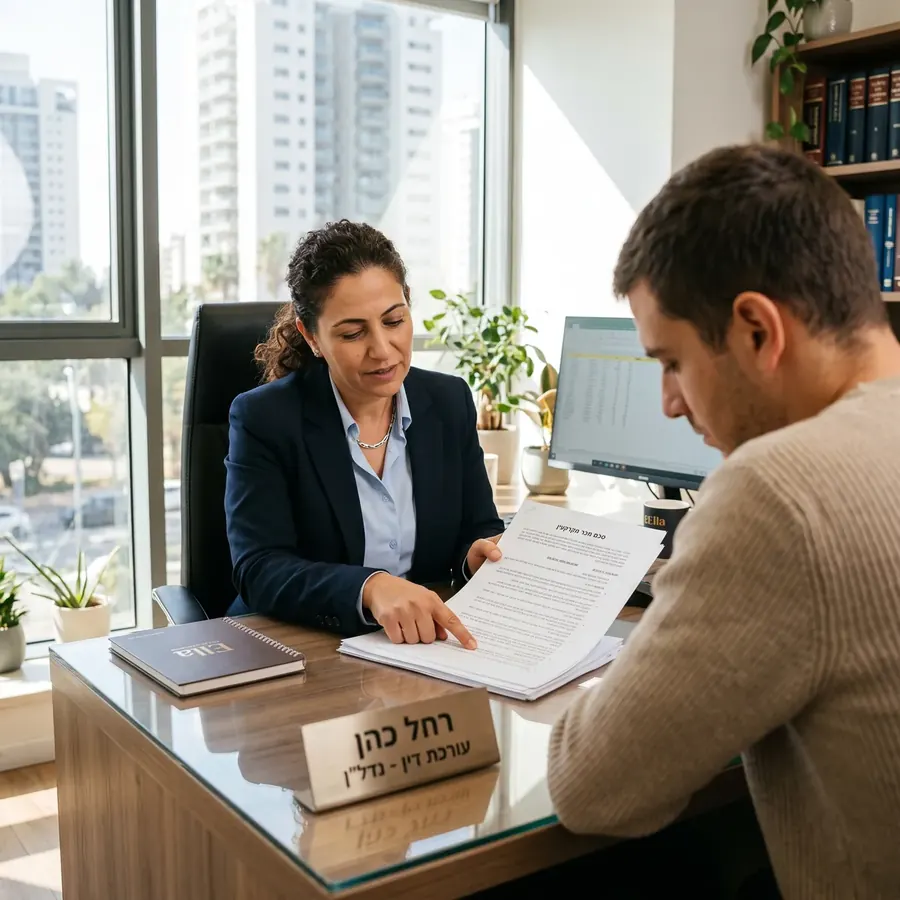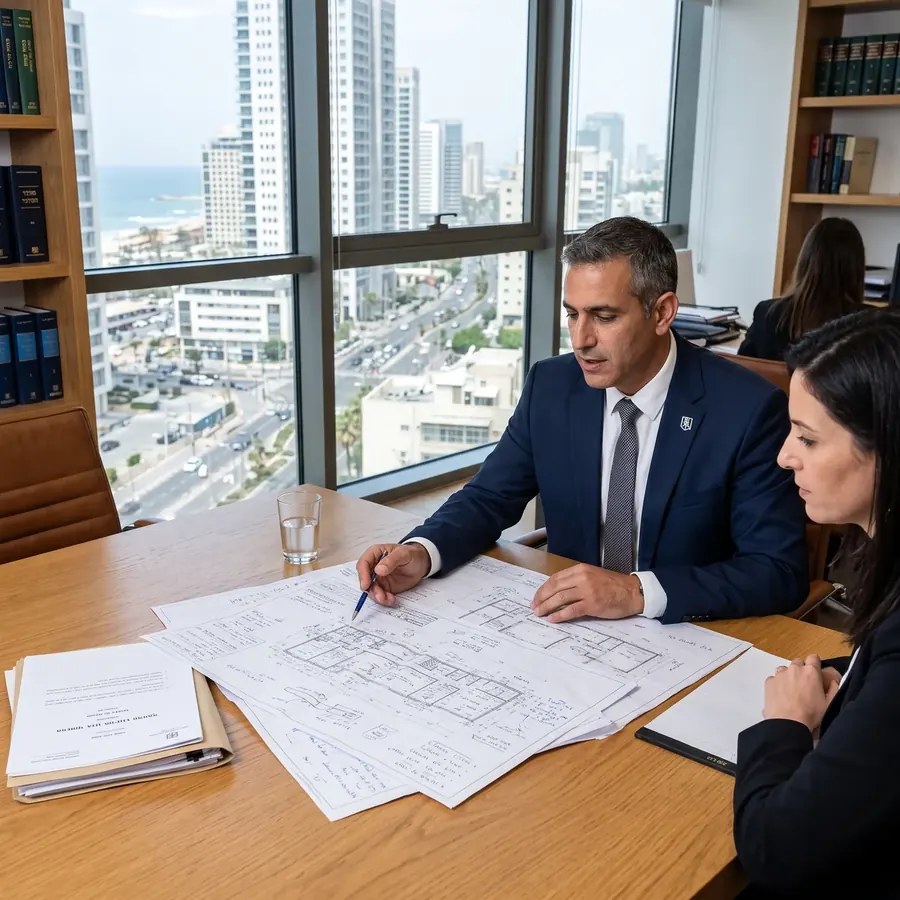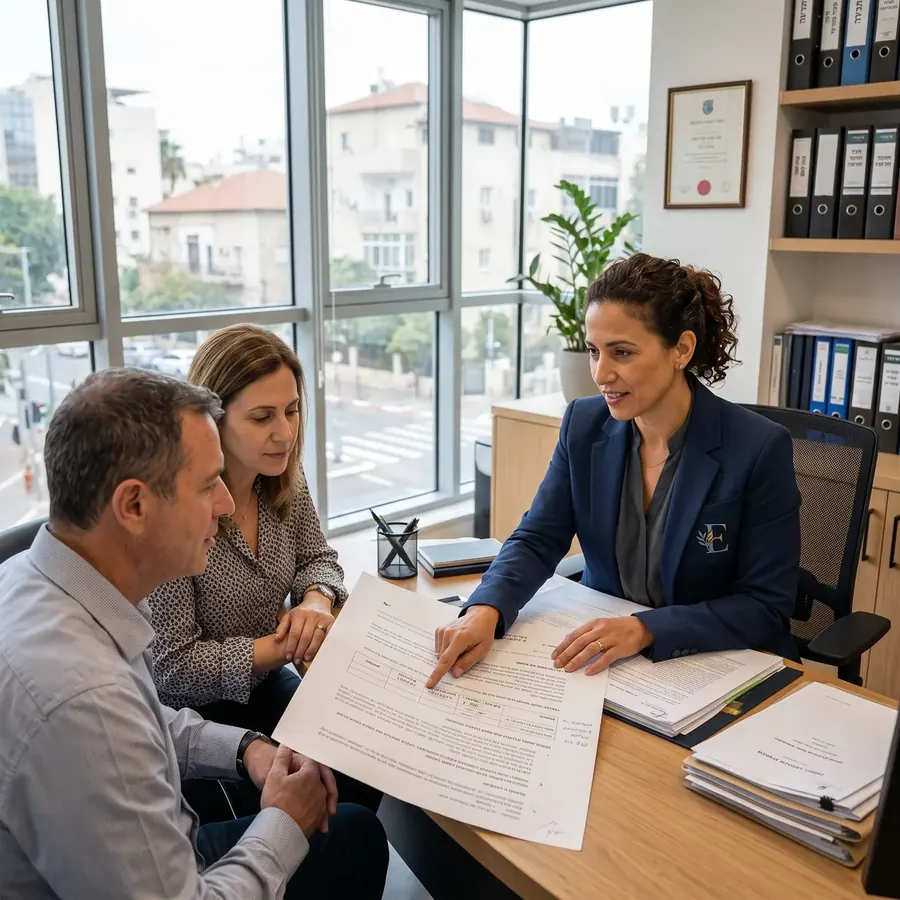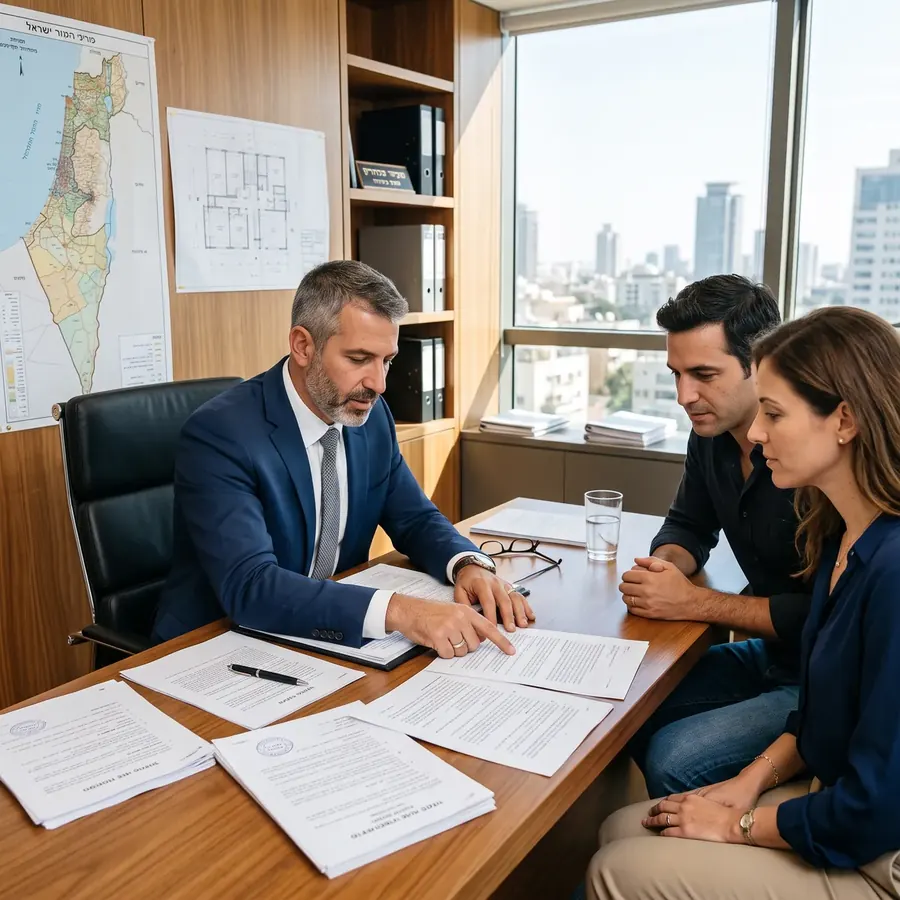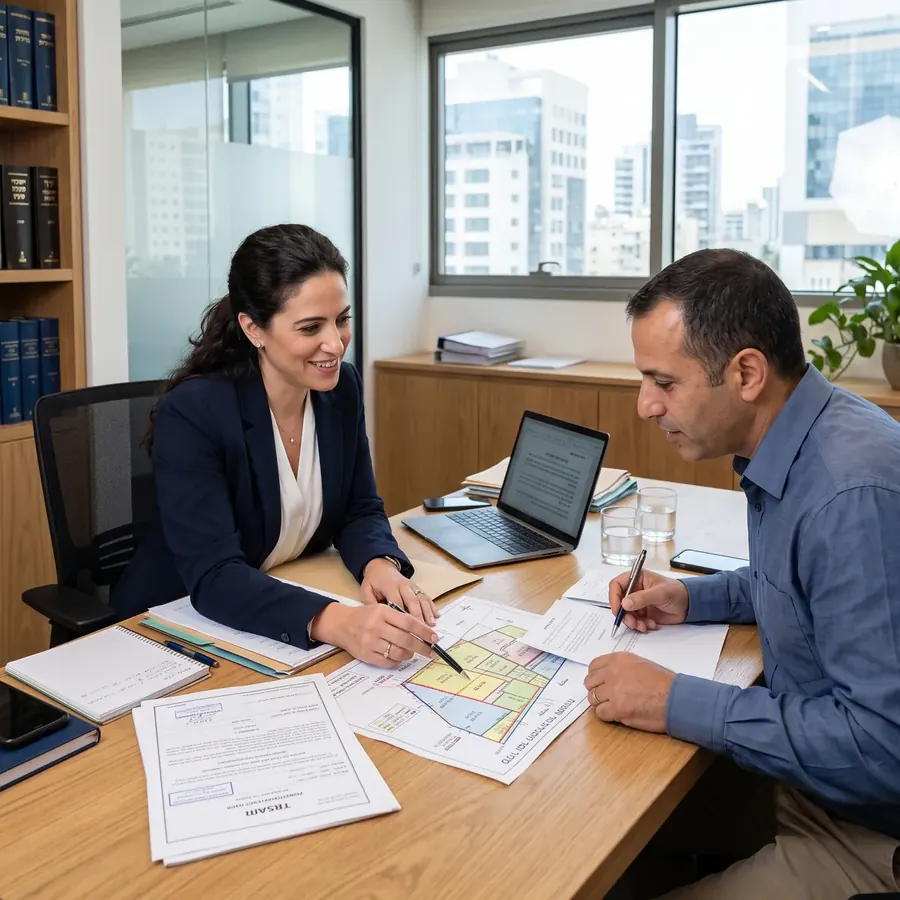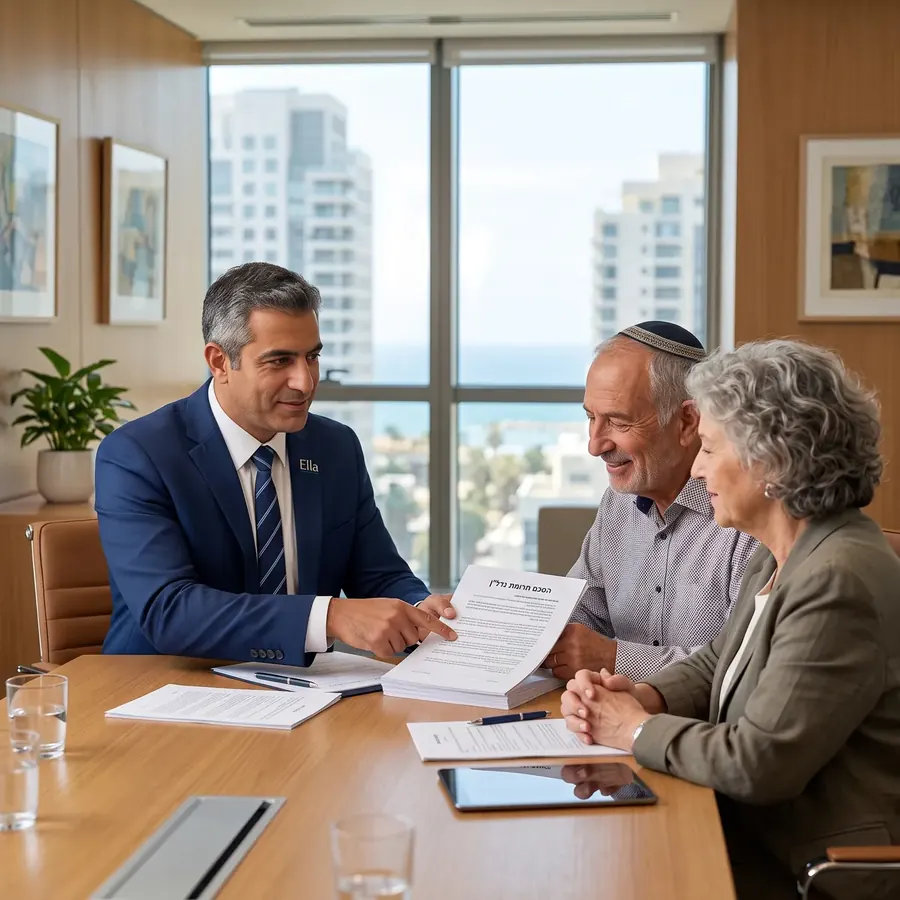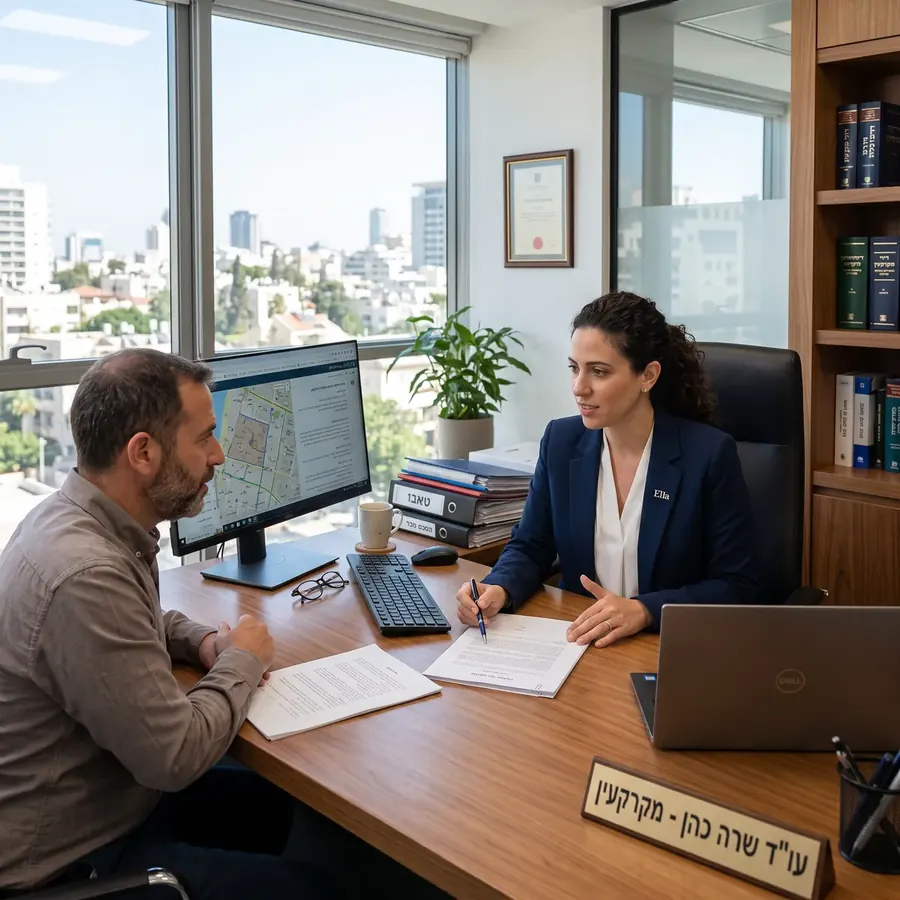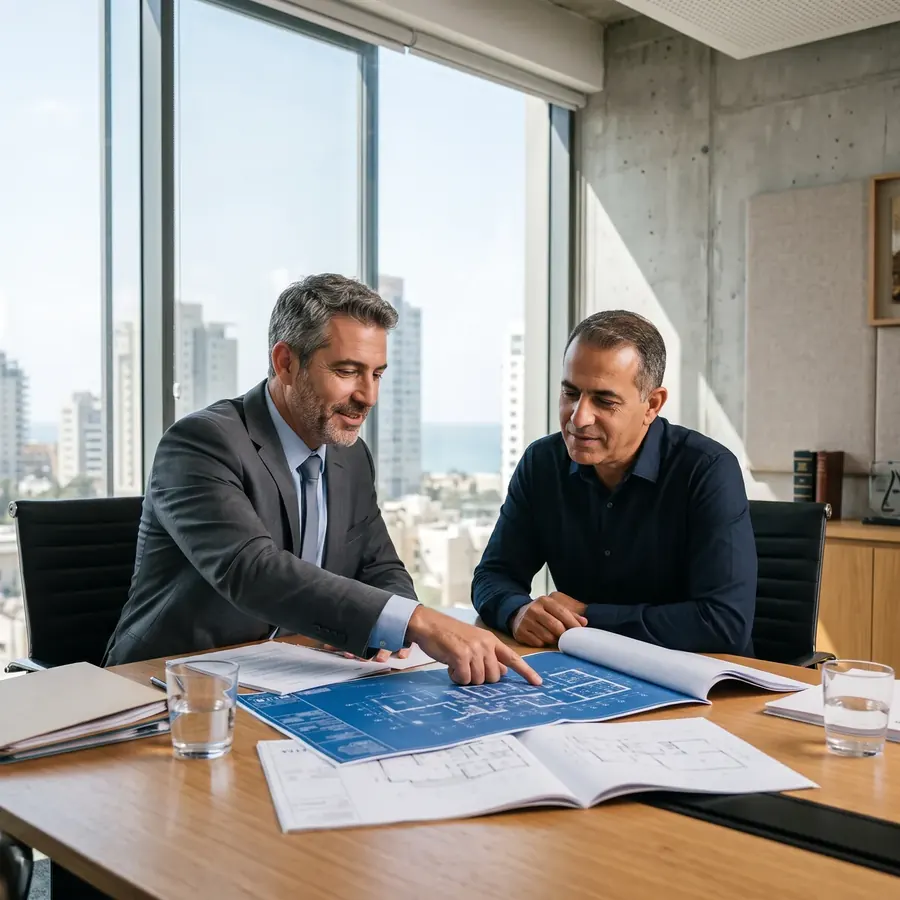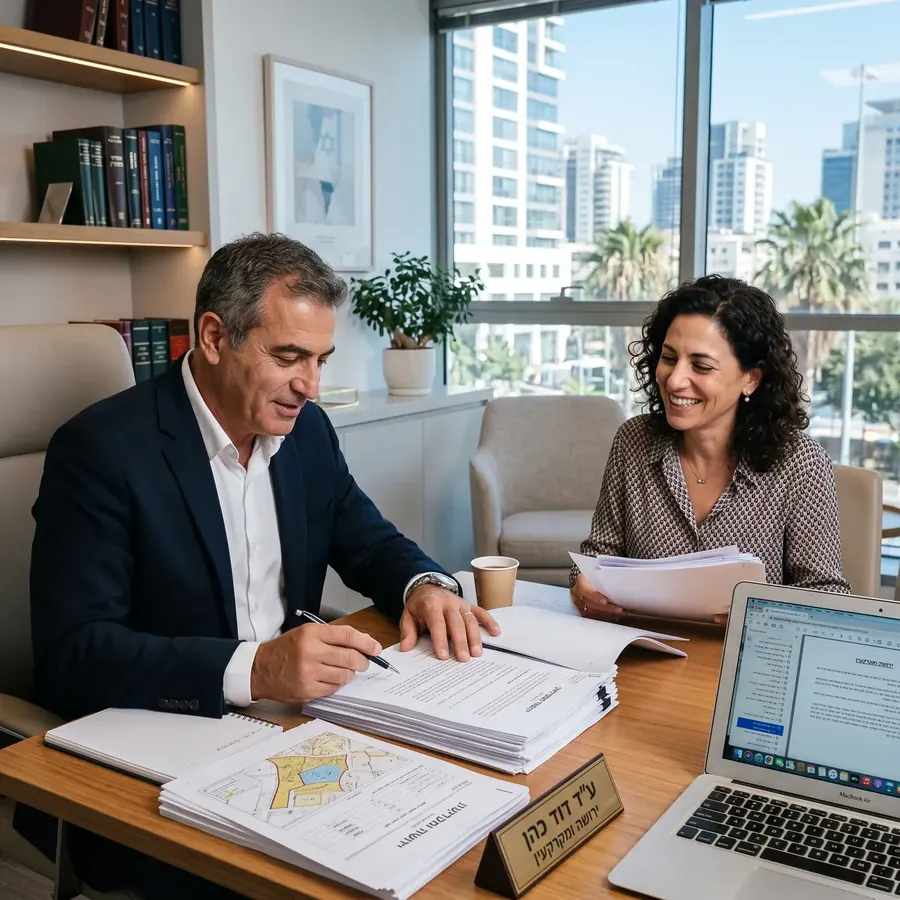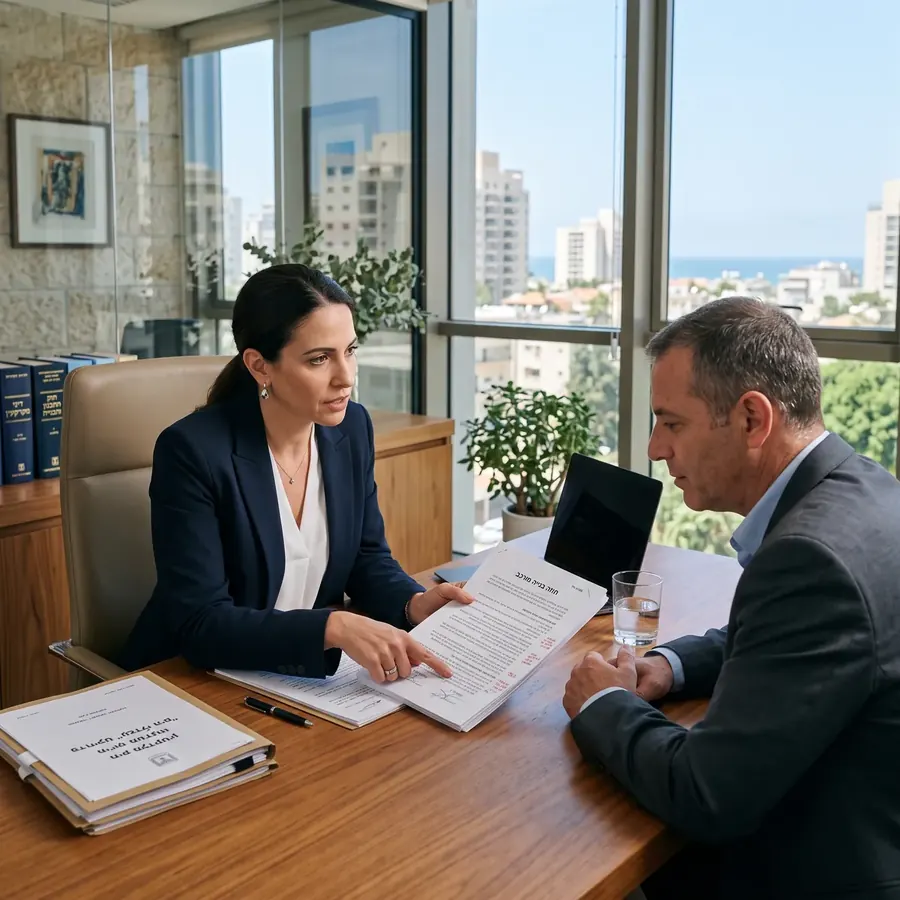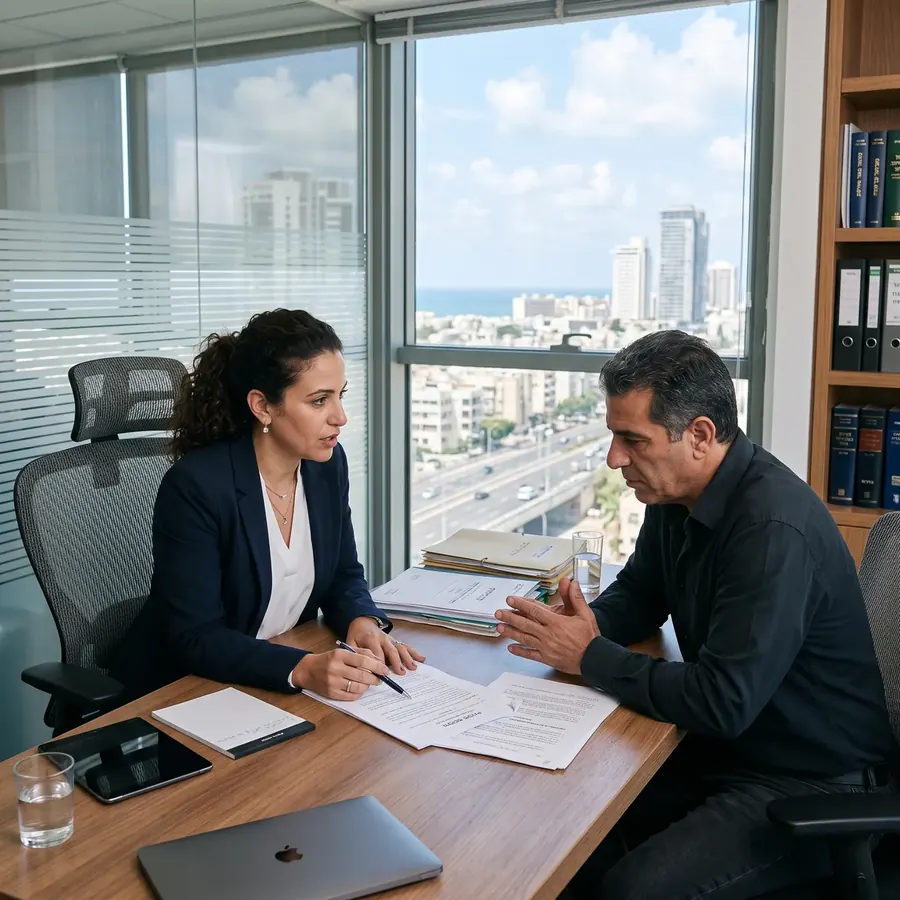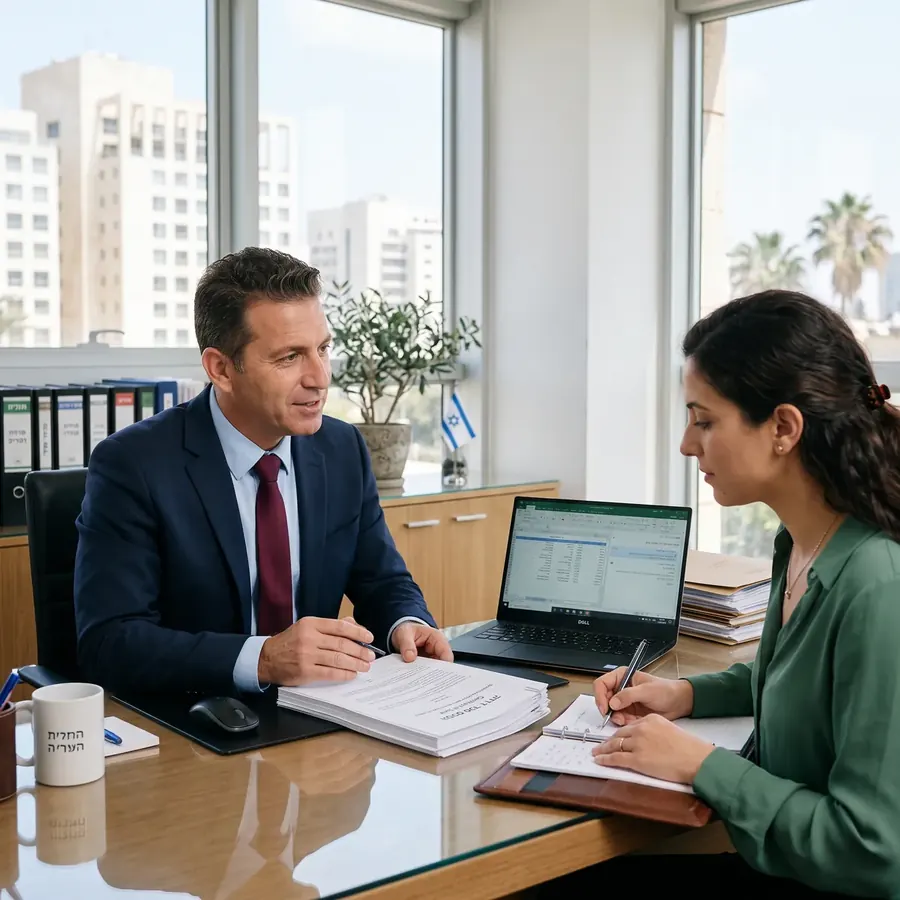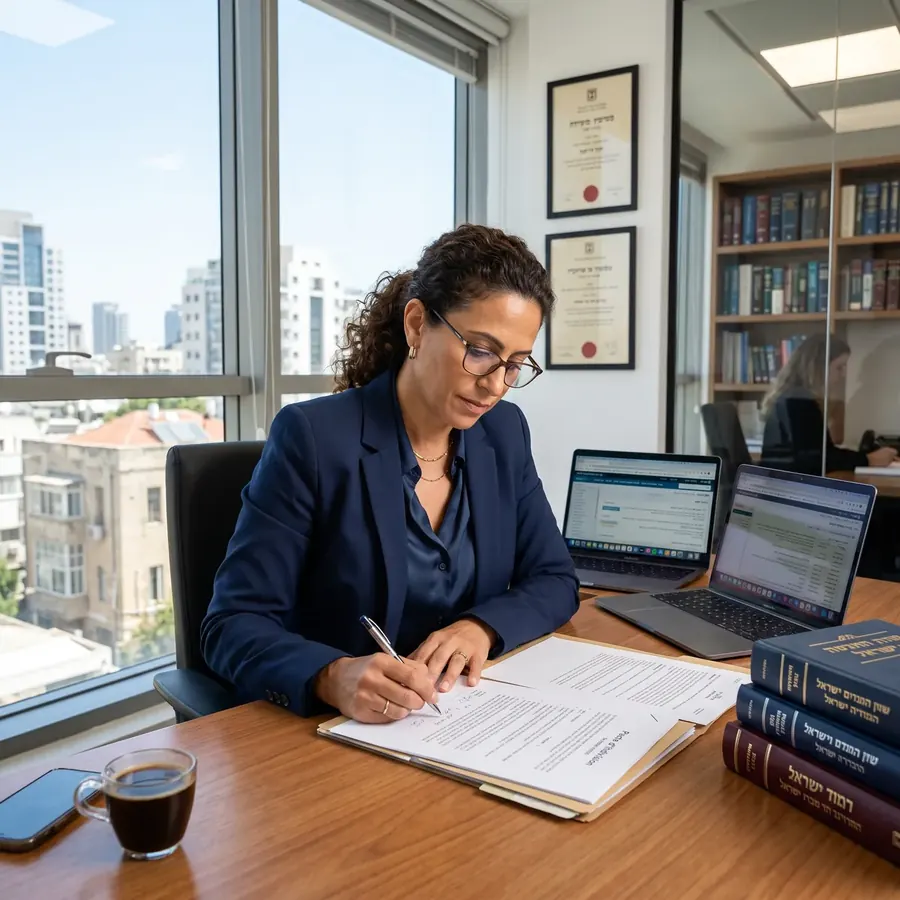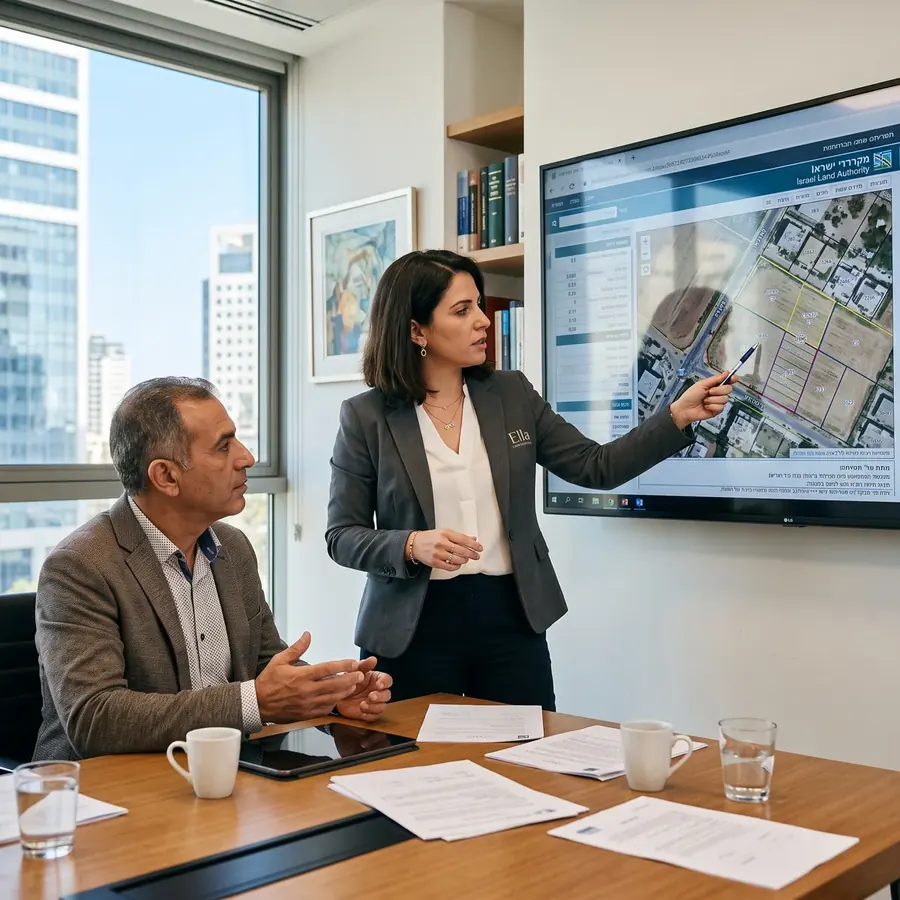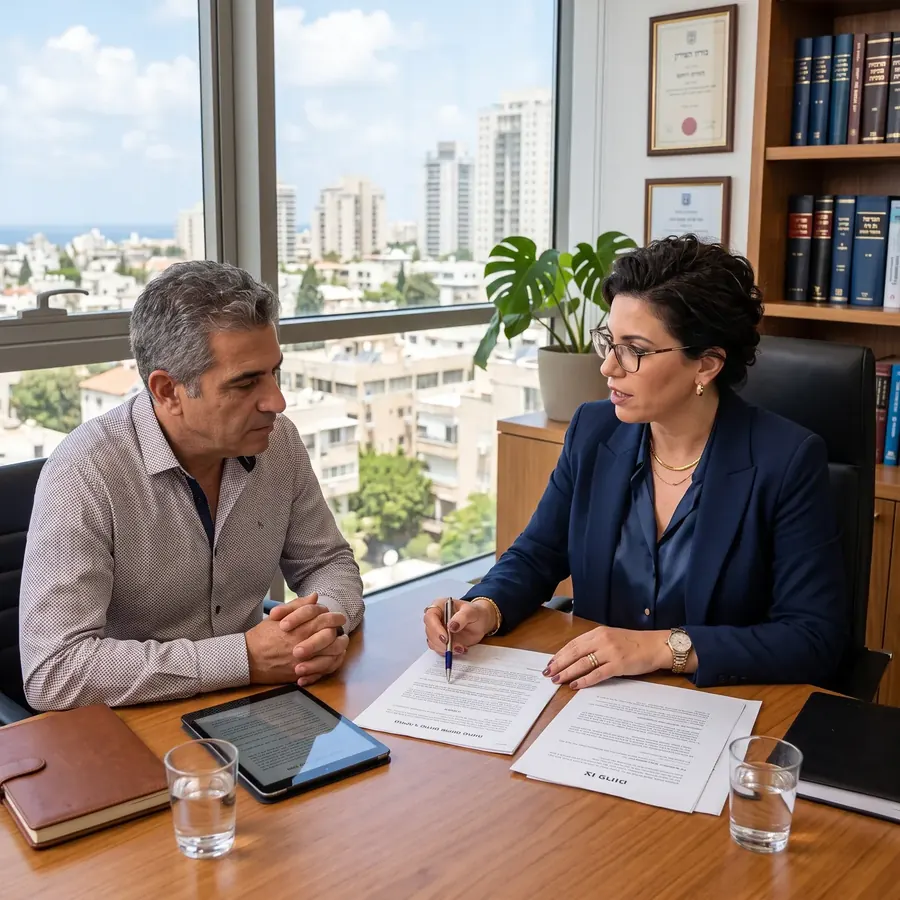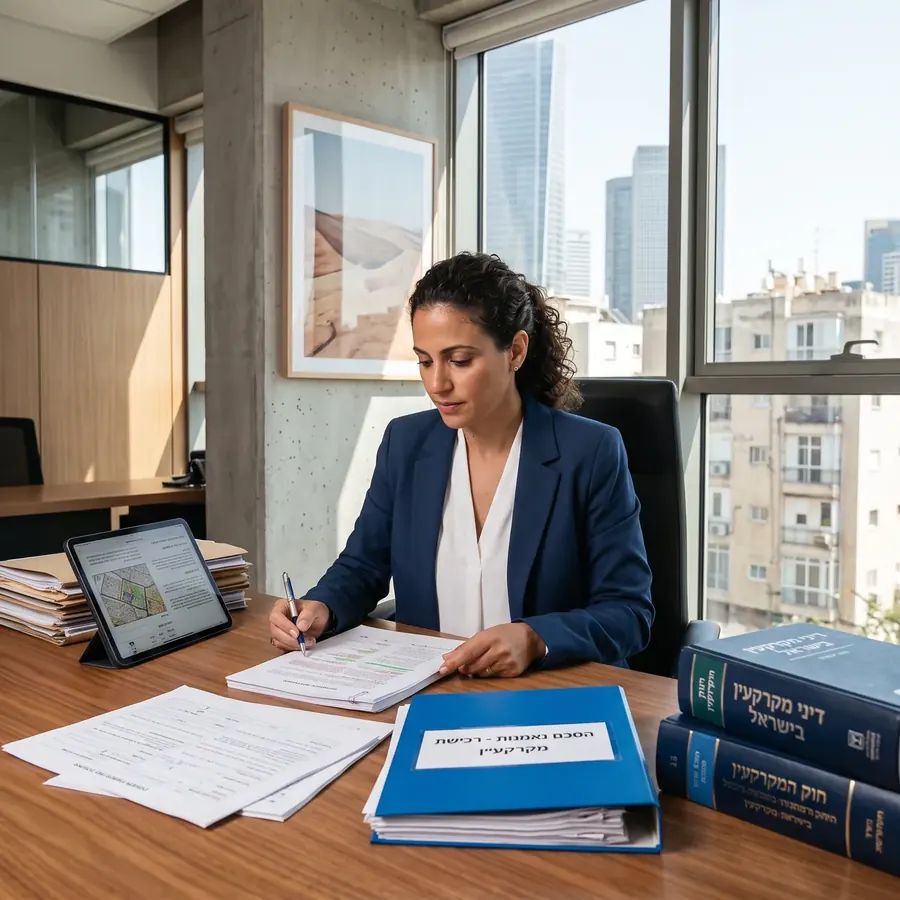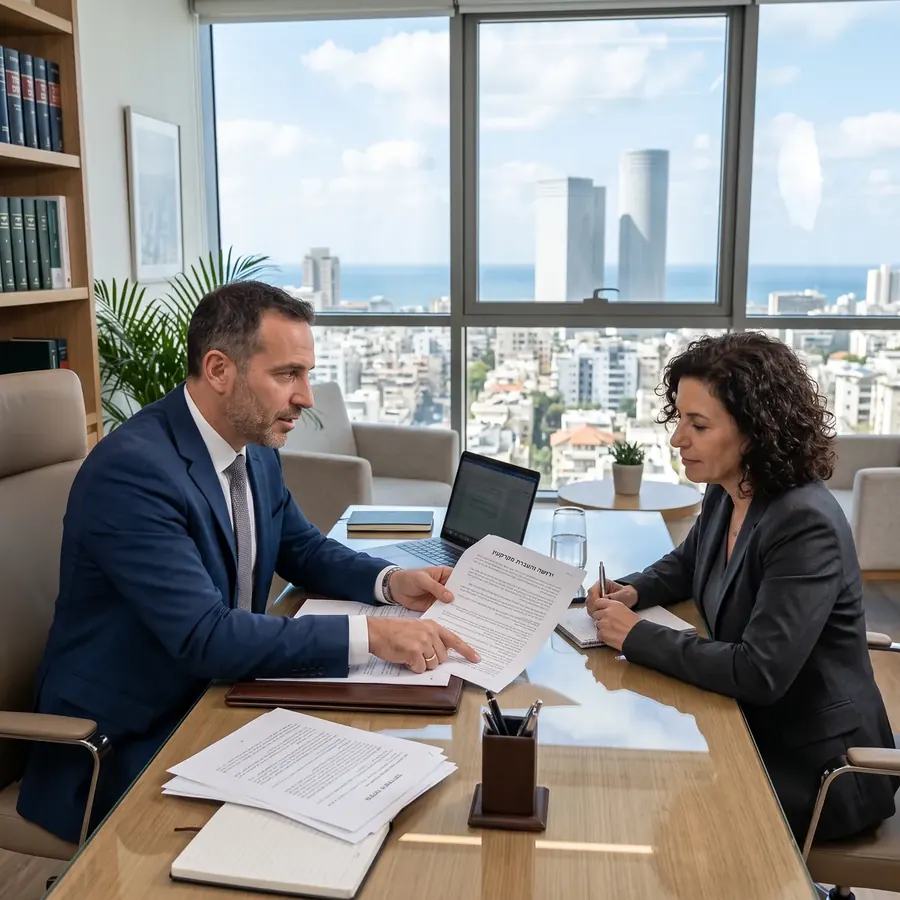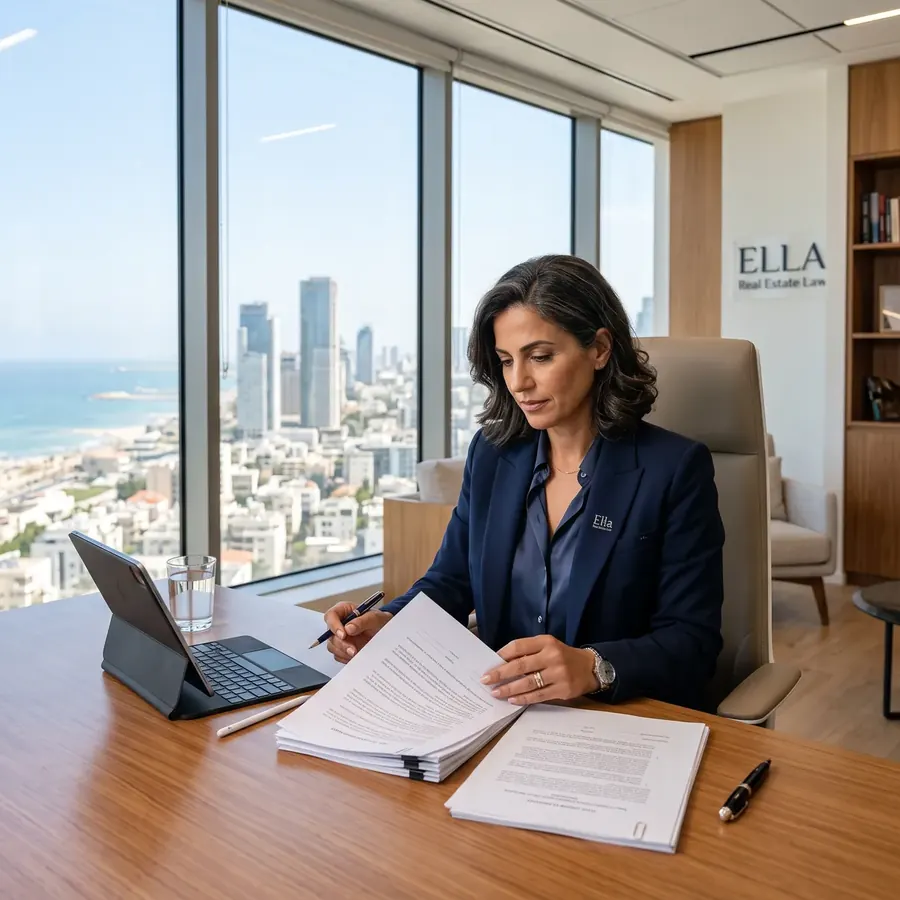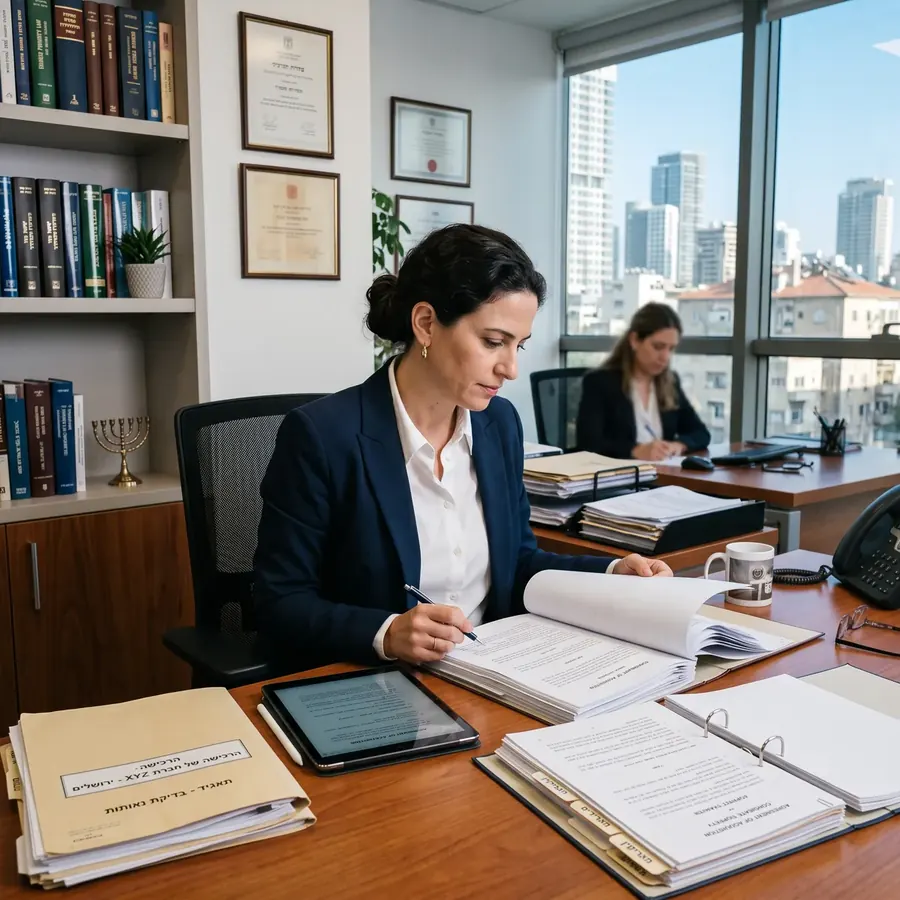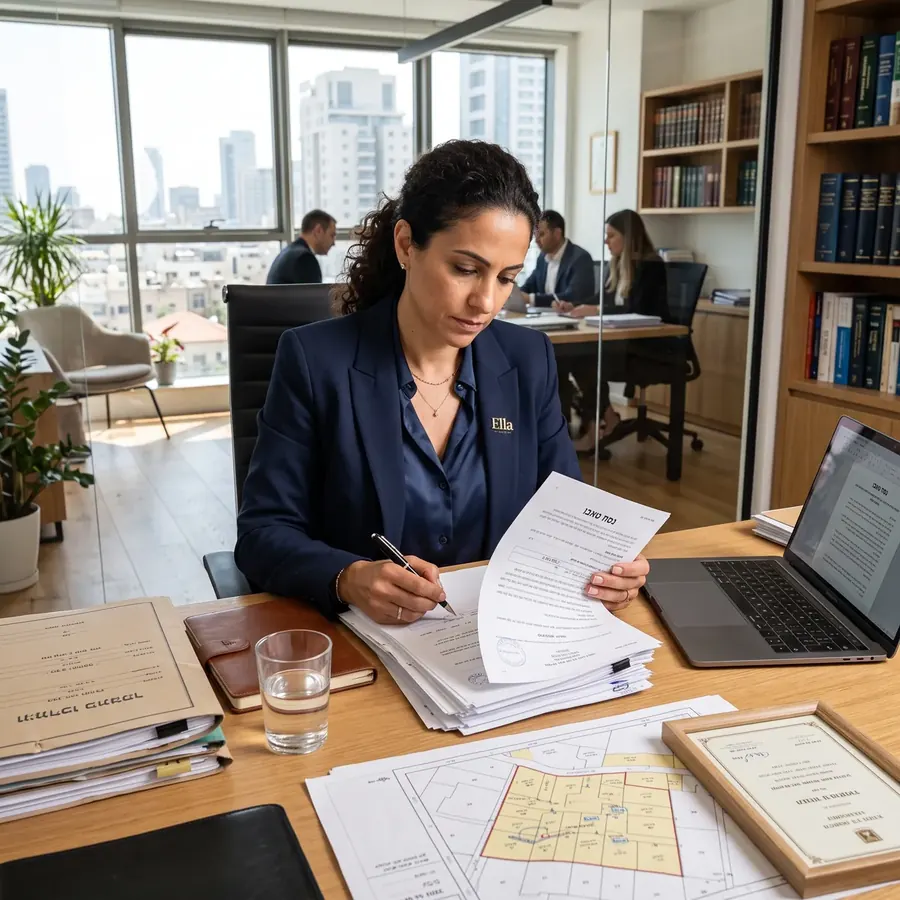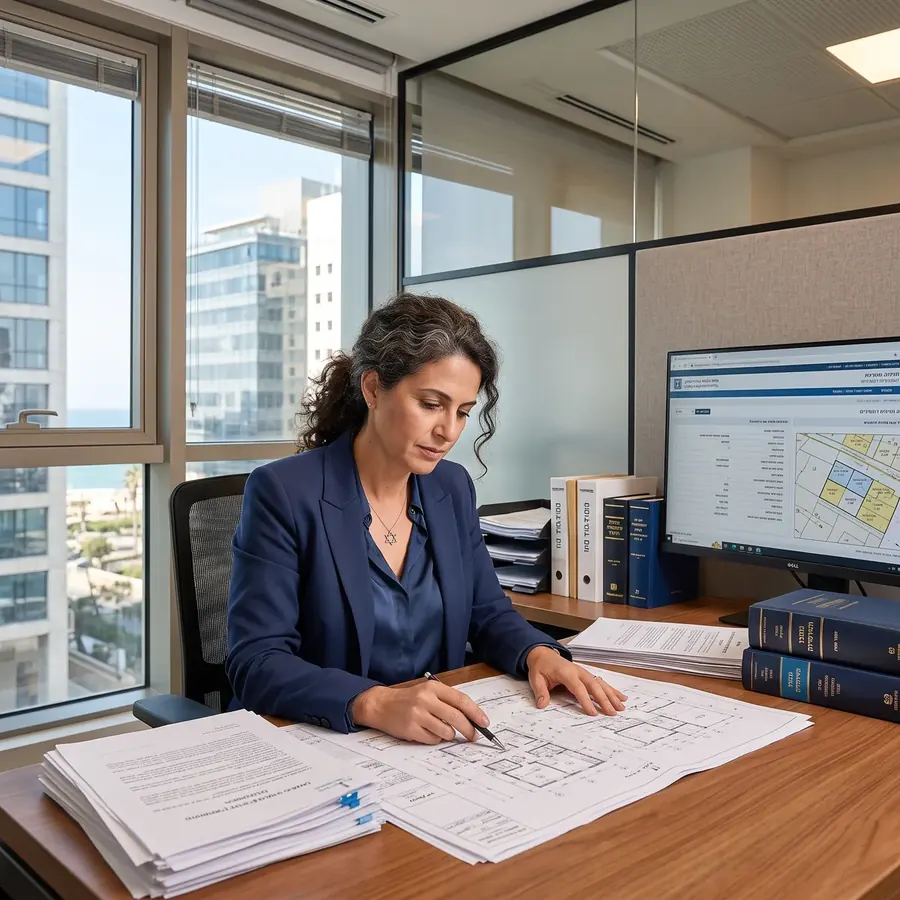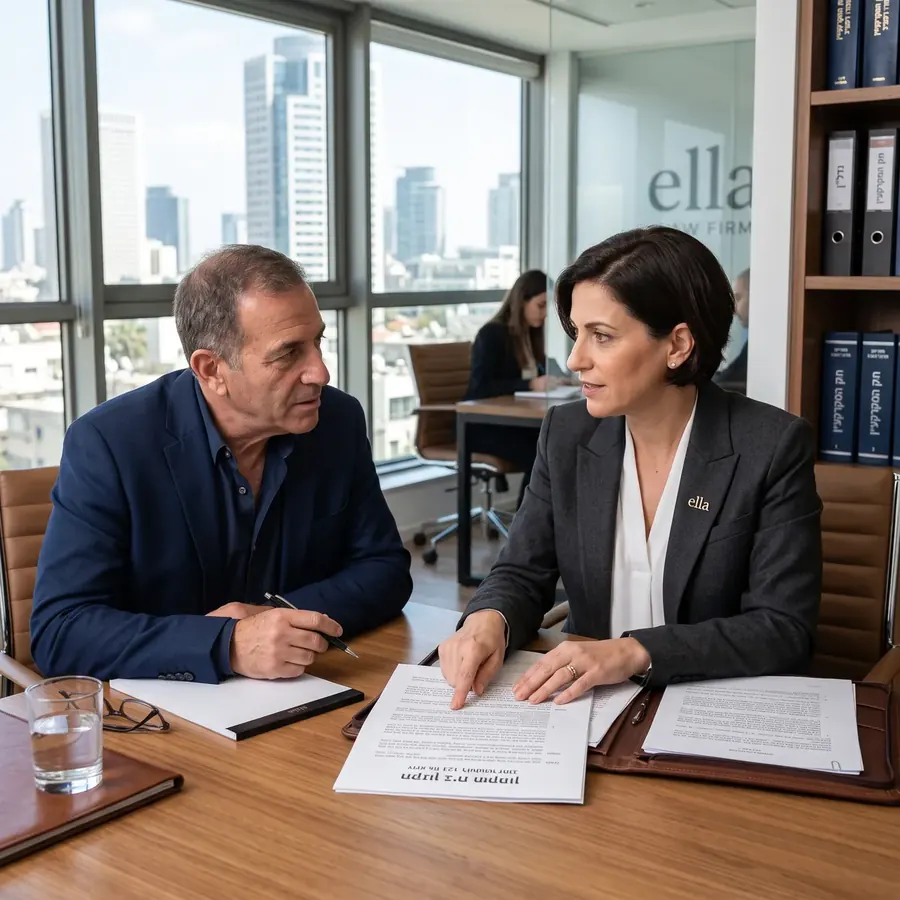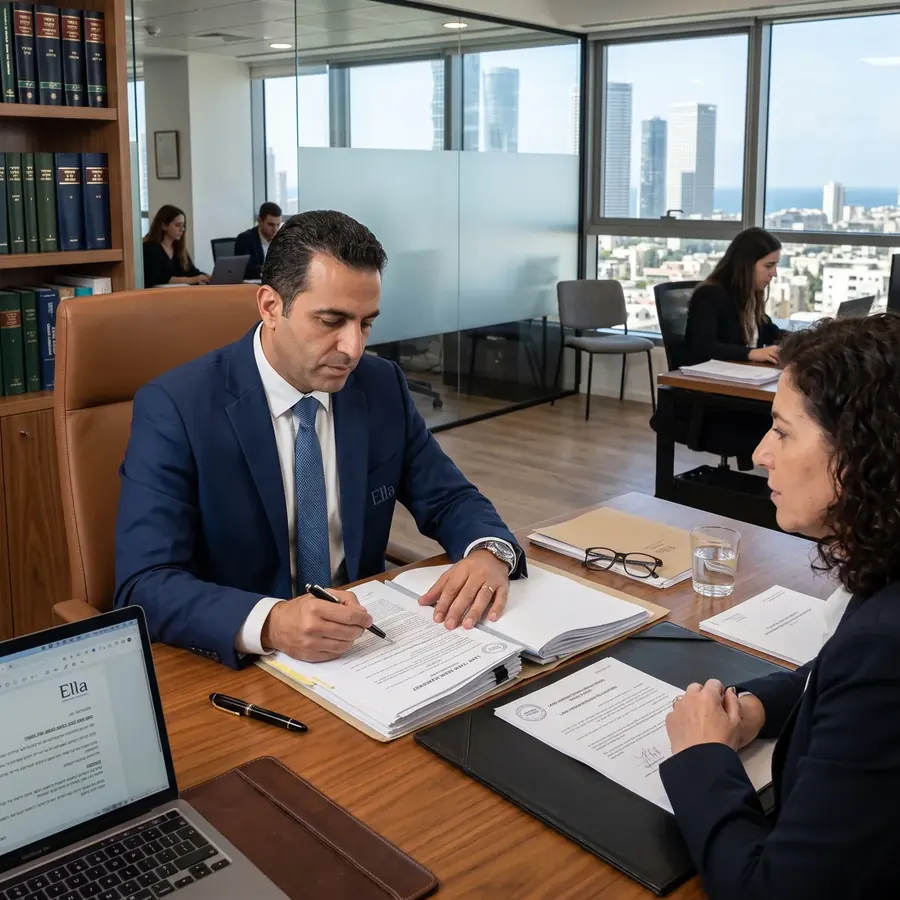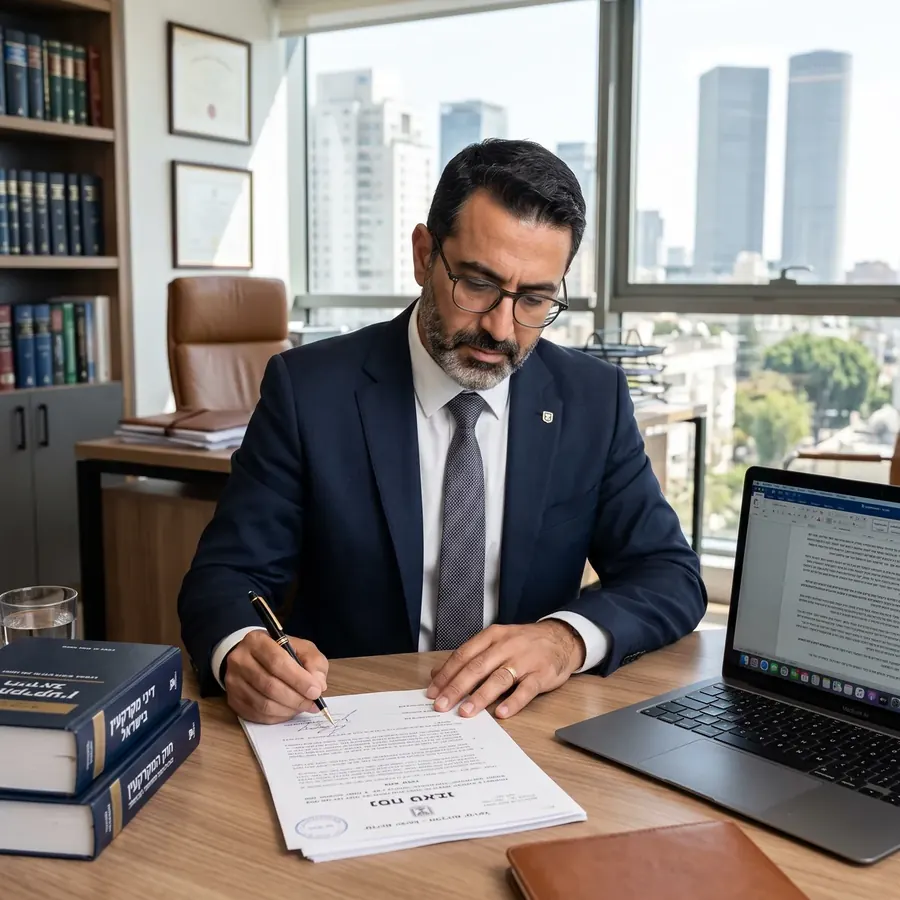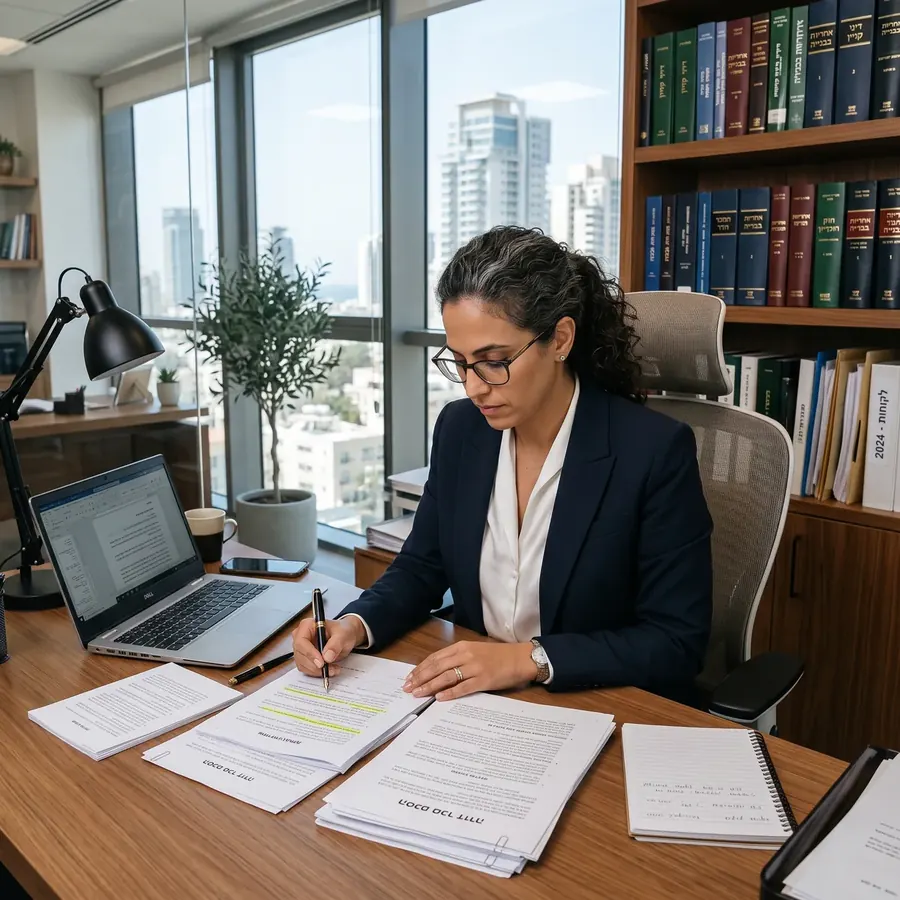




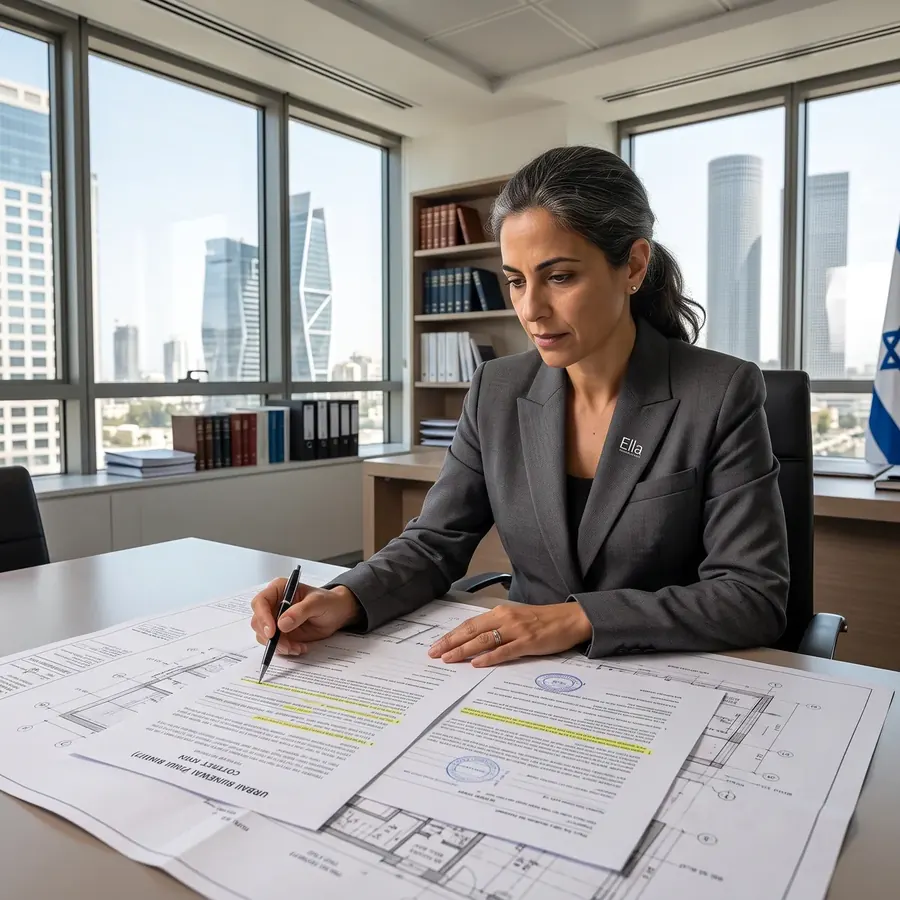
Israel's dynamic real estate landscape is continually evolving, driven by both demographic growth and the strategic imperative of urban renewal. Among the most significant initiatives in this sphere are Pinui‑Binui (Evacuate and Build) projects. These complex undertakings aim to replace old, often dilapidated buildings with modern, resilient structures, thereby revitalizing neighborhoods and enhancing the quality of life for residents. For homeowners, tenants, and developers alike, engaging with Pinui‑Binui projects presents both immense opportunities and considerable challenges. The legal intricacies involved are substantial, requiring a meticulous approach to ensure that rights are protected, obligations are met, and the project's vision is successfully realized. Navigating the multifaceted legal, financial, and logistical aspects of these projects demands specialized expertise to safeguard your interests and maximize potential benefits. Ella understands the nuances of this unique sector.
Understanding Pinui‑Binui: A Pillar of Israeli Urban Renewal
What is Pinui‑Binui?
Pinui‑Binui, literally meaning 'Evacuate and Build,' is a flagship urban renewal program in Israel designed to redevelop aging residential areas. It involves the demolition of existing, often structurally unsound or outdated buildings, and their replacement with new, larger, and more modern apartment complexes. The core principle is a win‑win scenario: homeowners receive new, larger apartments in the redeveloped building, often with added features like parking and balconies, without incurring construction costs. Developers gain the right to build additional units for sale, making the project economically viable. These projects are crucial for strengthening Israel's urban infrastructure against seismic activity and for addressing housing shortages, particularly in densely populated areas like Tel Aviv (61000) and Gush Dan. The process is governed by specific laws and regulations, ensuring that all parties' interests are carefully balanced throughout the undertaking.
The Evolution of Urban Renewal in Israel
Urban renewal in Israel has gained significant momentum over the past few decades, evolving from scattered initiatives to comprehensive national programs. The need for such programs stems from several factors: the aging building stock, particularly in older cities, the increasing demand for housing, and the imperative to reinforce buildings against earthquakes, a critical concern in a seismically active region. Early efforts primarily focused on individual building strengthening (TAMA 38), but Pinui‑Binui emerged as a more holistic solution for entire compounds or neighborhoods. Legislation has been continually refined to encourage these projects while providing robust protections for residents. The National Authority for Urban Renewal plays a pivotal role in promoting and overseeing these initiatives, ensuring they align with national planning goals and contribute to sustainable urban development across Israel.
Key Stakeholders and Their Roles
A successful Pinui‑Binui project involves a complex interplay of various stakeholders, each with distinct roles and responsibilities.
- Homeowners/Tenants: These are the primary beneficiaries, exchanging their old apartments for new ones. Their active participation and legal representation are crucial to safeguard their rights and ensure fair compensation, including provisions for temporary housing during construction.
- Developers: These entities initiate, finance, and execute the construction. They bear the financial risks and are responsible for obtaining permits, managing construction, and delivering the new units. Their profitability hinges on the sale of additional units built beyond those allocated to the original residents.
- Local Authorities/Municipalities: Cities like Jerusalem (91000) and Haifa (31000) play a critical role in approving urban renewal plans, issuing building permits, and ensuring that projects align with city planning regulations and public interest. They often provide incentives and support to facilitate these projects.
- Planning Committees: These governmental bodies review and approve detailed plans, ensuring compliance with national and local building codes and urban planning principles.
- Legal Counsel: Expert real estate lawyers are indispensable for all parties, providing guidance, negotiating agreements, and representing interests throughout the intricate legal process. Their expertise ensures transparency and fairness.
Let us guide your Pinui‑Binui project with confidence.
★★★★★ 4,9/5 · 127 client reviewsNavigating the Complex Legal Framework of Pinui‑Binui Projects
Rights of Tenants and Homeowners
For homeowners and tenants, understanding their rights is paramount in a Pinui‑Binui project. Key protections include the right to receive a new apartment that is typically larger and more modern than their original unit, often with additional amenities such as a security room (mamad), balcony, and parking space. They are also entitled to receive temporary rental accommodation for the duration of the construction period, paid for by the developer, and compensation for moving expenses. The law mandates that a significant majority of homeowners (usually 80% or more, depending on the stage and specific circumstances, but recent amendments have lowered this to a two‑thirds majority in some cases) must agree to the project for it to proceed, protecting individual interests against forced participation. Legal counsel ensures these rights are not only recognized but meticulously enshrined in binding agreements, providing peace of mind throughout the development. Ella specializes in protecting these vital interests.
Developer Obligations and Incentives
Developers undertaking Pinui‑Binui projects assume substantial obligations and risks. They are responsible for financing the entire project, including demolition, construction, temporary housing, and all associated professional fees. They must secure all necessary permits and approvals from local and national planning authorities. To incentivize these complex and costly projects, the Israeli government offers various benefits, primarily in the form of increased building rights (i.e., permission to build more units than originally allowed by the zoning plan) and significant tax exemptions. These incentives make the projects economically attractive, allowing developers to sell a portion of the newly built units to cover costs and generate profit. Understanding the full scope of these obligations and incentives is critical for both developers and residents to ensure a fair and viable project.
Municipal and Governmental Approval Processes
The approval process for Pinui‑Binui projects is multi‑layered and can be lengthy, involving numerous municipal and governmental bodies. It typically begins with the submission of a detailed urban renewal plan to the local planning committee, which then undergoes extensive review, public hearings, and often revisions. Once approved at the local level, the plan may require further approval from district or national planning committees, especially for larger or more complex projects. This rigorous process ensures that projects comply with urban planning principles, environmental regulations, and public safety standards. Expertise in navigating these bureaucratic channels is essential to avoid delays and ensure timely project progression. For example, obtaining approvals in a city like Netanya (42000) might involve different local regulations than in Beer Sheva (84000).
Table 1: Pinui‑Binui vs. TAMA 38 (Comparison of Urban Renewal Programs)
| Feature | Pinui‑Binui (Evacuate and Build) | TAMA 38 (National Outline Plan 38) |
|---|---|---|
| Scope | Demolition of entire buildings/complexes, new construction | Strengthening of existing buildings, adding floors/balconies |
| Scale | Large‑scale urban renewal projects, neighborhood revitalization | Building‑specific projects, individual building reinforcement |
| Outcome | Residents receive new, larger apartments in a completely new building | Residents stay in renovated apartments, often with added space |
| Temporary Housing | Required, paid by developer | Generally not required (residents stay during renovation) |
| Resident Consent | Higher consent threshold (e.g., 67‑80%+) | Lower consent threshold (e.g., 67% for strengthening) |
| Complexity | High, involves extensive planning and multiple stakeholders | Moderate, focuses on structural reinforcement and minor additions |
| Timeframe | Longer, due to demolition and new construction (5‑9 years, sometimes more) | Shorter, as it involves renovation and additions (5‑6 years on average for TAMA 38/2) |
Let us guide your Pinui‑Binui project with confidence.
★★★★★ 4,9/5 · 127 client reviewsEssential Legal Considerations for a Successful Pinui‑Binui Project
Due Diligence and Risk Assessment
Before committing to any Pinui‑Binui project, thorough due diligence is non‑negotiable. This involves meticulously vetting the developer's track record, financial stability, and experience with similar projects. For homeowners, it means understanding the implications for their property rights, including the valuation of their existing apartment and the specifics of the new unit they are promised. A comprehensive risk assessment by an experienced real estate lawyer can identify potential pitfalls, such as unrealistic timelines, inadequate financial guarantees, or questionable developer credentials. This proactive approach helps mitigate future disputes and ensures the project proceeds on a solid legal and financial foundation. Ignoring this crucial step can lead to significant complications down the line.
Contract Negotiation and Drafting
The agreement between homeowners/tenants and the developer is the bedrock of any Pinui‑Binui project. This complex legal document must be meticulously negotiated and drafted to protect all parties' interests. Key clauses include: detailed specifications of the new apartments (size, floor, orientation, finish specification, parking, storage), specific timelines for construction and delivery, clear provisions for temporary housing and moving expenses, comprehensive financial guarantees (such as a sales law guarantee or a bank guarantee) to secure the residents' rights in case of developer insolvency, and clear mechanisms for dispute resolution. An attorney specializing in urban renewal projects can ensure that all terms are fair, transparent, and legally enforceable, preventing ambiguities that could lead to costly disagreements later. Crafting a robust agreement is essential for long‑term success.
Managing Objections and Disputes
Given the multi‑stakeholder nature and inherent complexities, objections and disputes can arise at various stages of a Pinui‑Binui project. These might range from disagreements among homeowners regarding the project's terms, to disputes between residents and the developer over delays, quality of construction, or fulfillment of contractual obligations. Israeli law provides mechanisms for resolving such conflicts, including mediation, arbitration, and legal proceedings in the Land Registration Office or courts. An experienced real estate lawyer is crucial in representing your interests during these processes, whether through skilled negotiation to reach an amicable settlement or vigorous litigation to enforce your rights. Early intervention by legal counsel can often prevent minor disagreements from escalating into major project impediments.
Key Documents in a Pinui‑Binui Agreement
- Developer‑Homeowner Agreement
- Construction Specifications (Matam)
- Bank Guarantees / Sales Law Guarantees
- Power of Attorney documents
- Temporary Rental Agreements
- Planning Committee Approvals
- Building Permits
Let us guide your Pinui‑Binui project with confidence.
★★★★★ 4,9/5 · 127 client reviewsThe Attorney's Indispensable Role in Pinui‑Binui Projects
Protecting Homeowner and Tenant Rights
For homeowners and tenants, an attorney acts as an essential shield, ensuring their rights are fully protected throughout the Pinui‑Binui process. This includes verifying the developer's legitimacy, meticulously reviewing all contractual terms, negotiating for optimal compensation and apartment specifications, and securing robust financial guarantees. An attorney will also ensure that the temporary housing arrangements are suitable and that all tax implications are clearly understood. Without expert legal representation, individuals can find themselves at a significant disadvantage, potentially agreeing to unfavorable terms or inadvertently waiving crucial protections. Our firm ensures that your voice is heard and your interests are prioritized at every stage.
Guiding Developers Through Regulatory Hurdles
Developers face a labyrinth of regulatory hurdles in Pinui‑Binui projects, from initial zoning changes to obtaining final occupancy permits. A knowledgeable real estate lawyer can significantly streamline this process by preparing and submitting necessary documentation, representing the developer before planning committees and local authorities, and ensuring full compliance with all applicable laws and regulations. This proactive legal guidance minimizes delays, reduces the risk of costly errors, and helps maintain project momentum. From the initial feasibility study to the successful completion of construction, legal expertise is vital for navigating the bureaucratic landscape effectively and efficiently in areas like Rishon LeZion (75000) or Petah Tikva (49000). Ella provides comprehensive support for developers.
Facilitating Communication and Agreement
Pinui‑Binui projects often involve numerous parties with sometimes conflicting interests. An attorney serves as a crucial facilitator, fostering clear communication and working towards consensus among homeowners, developers, and local authorities. By providing impartial legal advice, clarifying complex clauses, and mediating disagreements, legal counsel can bridge gaps and help forge agreements that are mutually beneficial and sustainable. This role is particularly important in preventing disputes and ensuring that the project progresses smoothly, avoiding the gridlock that can arise from miscommunication or unaddressed concerns. Effective legal facilitation is key to harmonious project execution.
Table 2: Typical Pinui‑Binui Project Timeline Stages
| Stage | Description | Estimated Duration (Variable) |
|---|---|---|
| 1. Initial Developer Engagement | Developer approaches homeowners, presents initial proposal | 3‑6 months |
| 2. Homeowner Consent & Agreement | Negotiation of terms, signing of agreements by required majority | 6‑18 months |
| 3. Planning & Permit Submission | Developer submits detailed plans to local/district planning committees | 12‑24 months |
| 4. Permit Approval | Review and approval by authorities, issuance of building permits | 6‑12 months |
| 5. Evacuation & Demolition | Residents move to temporary housing, old building demolished | 3‑6 months |
| 6. Construction Phase | New building construction | 36‑48 months |
| 7. Occupancy & Handover | Issuance of occupancy permit (Form 4), residents move into new apartments | 3‑6 months |
| Total Estimated Project Duration | 5‑9 years |
Let us guide your Pinui‑Binui project with confidence.
★★★★★ 4,9/5 · 127 client reviewsMaximizing Value and Mitigating Risks in Urban Renewal
Financial Guarantees and Securities
One of the most critical aspects of any Pinui‑Binui project is ensuring the financial security of the homeowners. Israeli law mandates that developers provide robust guarantees to protect residents' investments. The most common forms include a Sales Law Guarantee (Hezek L'Mekirat Din), which protects the buyer's rights to a new apartment, or a bank guarantee that secures the value of the new unit and rental payments for temporary housing. An experienced attorney will meticulously review these guarantees to ensure they are legally sound, adequately cover all potential risks, and are issued by reputable financial institutions. This ensures that even in unforeseen circumstances, such as developer insolvency, residents' rights and financial interests remain protected. Without proper guarantees, the entire project carries significant risk for the homeowners.
Tax Implications for Participants
Pinui‑Binui projects carry significant tax implications for both developers and homeowners, which must be carefully understood. While specific tax benefits are often granted to encourage urban renewal, such as exemptions from betterment tax (Mas Shevach) and purchase tax (Mas Rechisha) for homeowners exchanging an old apartment for a new one, the details can be complex. As of July 2026, rental payments received by homeowners for temporary housing during construction are fully exempt from both Income Tax and Capital Gains Tax. There may be specific conditions or limitations, particularly regarding the size or value difference of the new apartment. Expert legal and tax advice is crucial to ensure all parties fully understand their tax liabilities and entitlements, allowing them to plan accordingly and avoid unexpected financial burdens. Navigating these tax nuances requires specialized knowledge of Israeli real estate tax law.
Future Trends in Israeli Urban Renewal
The landscape of urban renewal in Israel is continually evolving, with ongoing legislative amendments and new initiatives aiming to accelerate projects and enhance protections. Future trends suggest an increased focus on sustainability, green building standards, and integrated community planning within Pinui‑Binui projects. There is also a push towards streamlining approval processes and addressing the challenges of dissenting homeowners. Staying abreast of these developments is crucial for all stakeholders. A forward‑thinking real estate law firm remains at the forefront of these changes, providing clients with up‑to‑date advice and strategic foresight to navigate the future of urban renewal in Israel effectively. Ella offers unparalleled insights into these evolving legal landscapes.
Benefits of Professional Legal Counsel
- Protection of Rights and Interests
- Expert Contract Negotiation
- Mitigation of Financial Risks
- Streamlined Regulatory Compliance
- Effective Dispute Resolution
- Transparent Fee Structures
- Peace of Mind Throughout the Process
Top 5 Critical Legal Steps in a Pinui‑Binui Project
- Thorough Due Diligence: Vet the developer, project, and legal standing before any commitment.
- Comprehensive Contract Review & Negotiation: Ensure all terms, from new apartment specifications to financial guarantees, are fair and robust.
- Secure Financial Guarantees: Verify that bank guarantees or sales law guarantees are in place and legally binding.
- Understand Tax Implications: Seek expert advice on betterment tax, purchase tax, and other relevant levies.
- Proactive Dispute Resolution Strategy: Plan for potential conflicts and have legal representation ready to mediate or litigate.
Pinui‑Binui urban renewal projects represent a transformative opportunity for property owners and developers across Israel. However, the inherent complexities of these undertakings demand a sophisticated understanding of Israeli real estate law, urban planning regulations, and the myriad of stakeholder interests. Whether you are a homeowner seeking to protect your most valuable asset, or a developer aiming to successfully execute a large‑scale project, expert legal guidance is not merely beneficial—it is essential. Our firm is dedicated to providing the clear, professional, and reliable counsel you need to navigate these projects with confidence. We offer unparalleled expertise, ensuring your journey through Israel's urban renewal landscape is secure, transparent, and ultimately rewarding. Contact us today to discuss your Pinui‑Binui project and discover the value we can add to your success.